
A New Era of Access
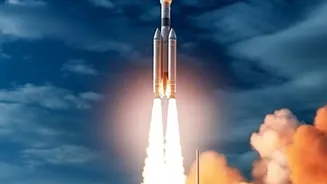
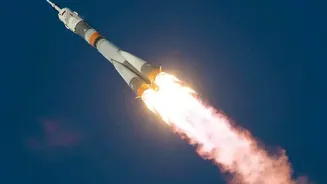
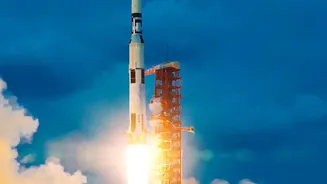
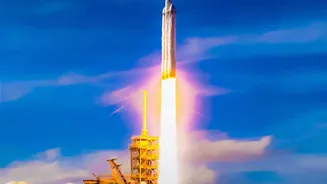
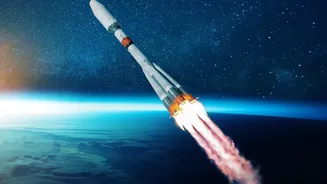
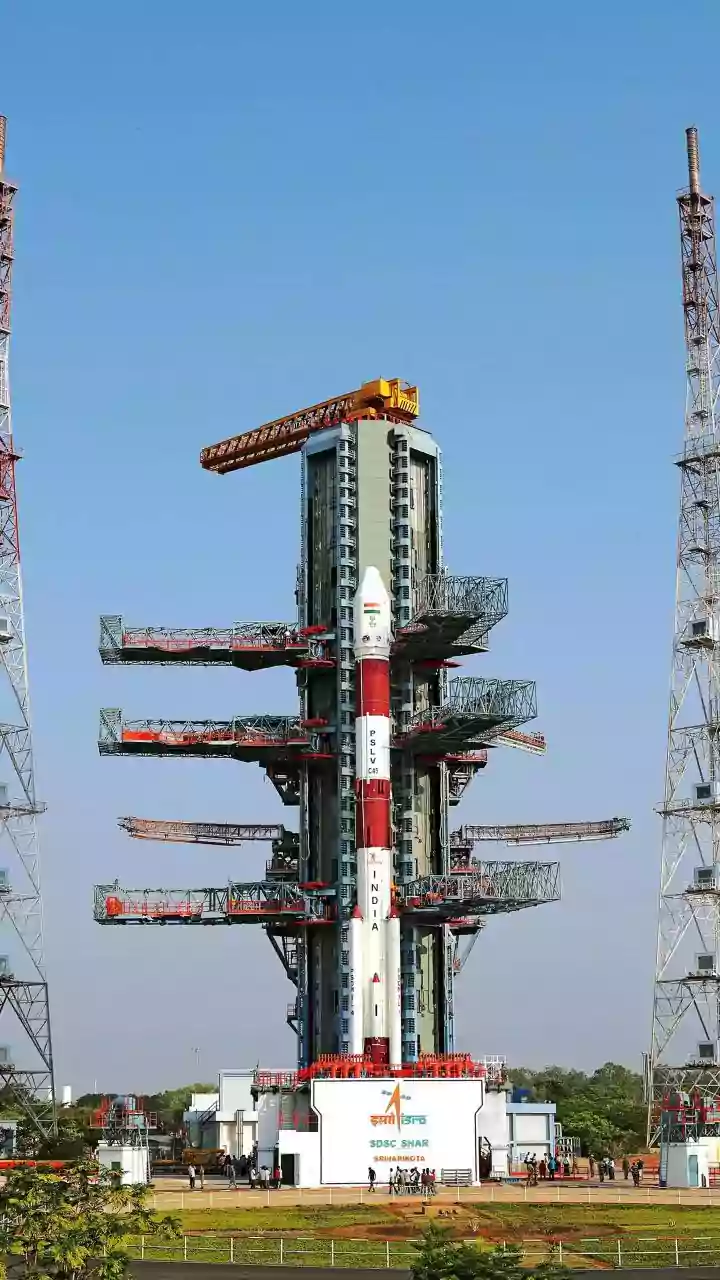
The central theme of World Space Week 2026, 'Rocket Revolution', highlights a fundamental shift in our relationship with space. For decades, reaching orbit was an expensive, high-stakes endeavour limited to a handful of national space programs. That era
is decisively over. The new space economy is defined by a dramatic increase in access, driven by commercial launch providers, university-led projects, and a growing number of nations entering the fray. This isn't just about more rockets; it's a change in philosophy. The falling cost to launch a kilogram into orbit—down 96% since the 1960s when adjusted for inflation—is democratizing space, opening doors for startups and researchers who were previously priced out. This week's events celebrate not just the technology, but this new, more inclusive model for space exploration and utilization.
Reusability is the New Standard
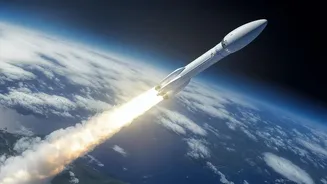
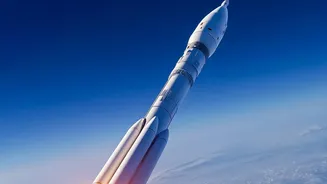
The cornerstone of the 'Rocket Revolution' is reusability. Companies have transformed rockets from single-use machines into recoverable, reusable launch systems. This innovation has single-handedly slashed launch costs and dramatically increased the possible frequency of flights, or 'launch cadence'. Just as an airline doesn't discard a plane after one trip, the space industry is now applying the same logic to its most expensive hardware. It's a paradigm shift that makes ambitious projects, like the deployment of vast satellite mega-constellations, economically viable. Vehicles like SpaceX's Starship, which recently achieved a major milestone by reaching orbit, represent the next generation of fully reusable systems designed to carry unprecedented payloads, paving the way for everything from orbital data centres to future missions to the Moon and Mars.
Smarter Satellites, Connected Planet
While rockets get the attention, the satellites they carry are getting a major upgrade. The trend is moving away from large, bespoke satellites toward smaller, more agile systems and vast Low Earth Orbit (LEO) constellations. A key driver is the integration of Artificial Intelligence, which allows satellites to operate with greater autonomy—handling tasks like collision avoidance, power management, and data processing on their own. This reduces reliance on ground control and makes networks more resilient. Another major trend discussed this year is the rise of direct-to-device connectivity, where standard smartphones can link directly to satellites, promising to eliminate mobile coverage gaps worldwide. From tracking assets with tiny Bluetooth-enabled tags to providing internet everywhere, these smart satellite networks are building a new layer of global infrastructure.
India’s Commercial Space Boom
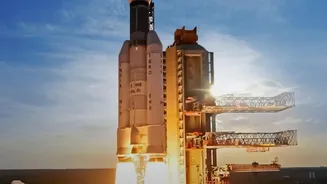
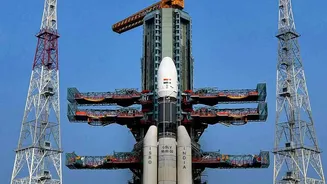
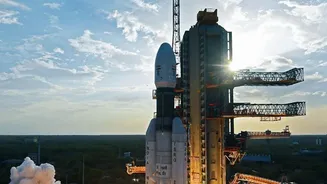
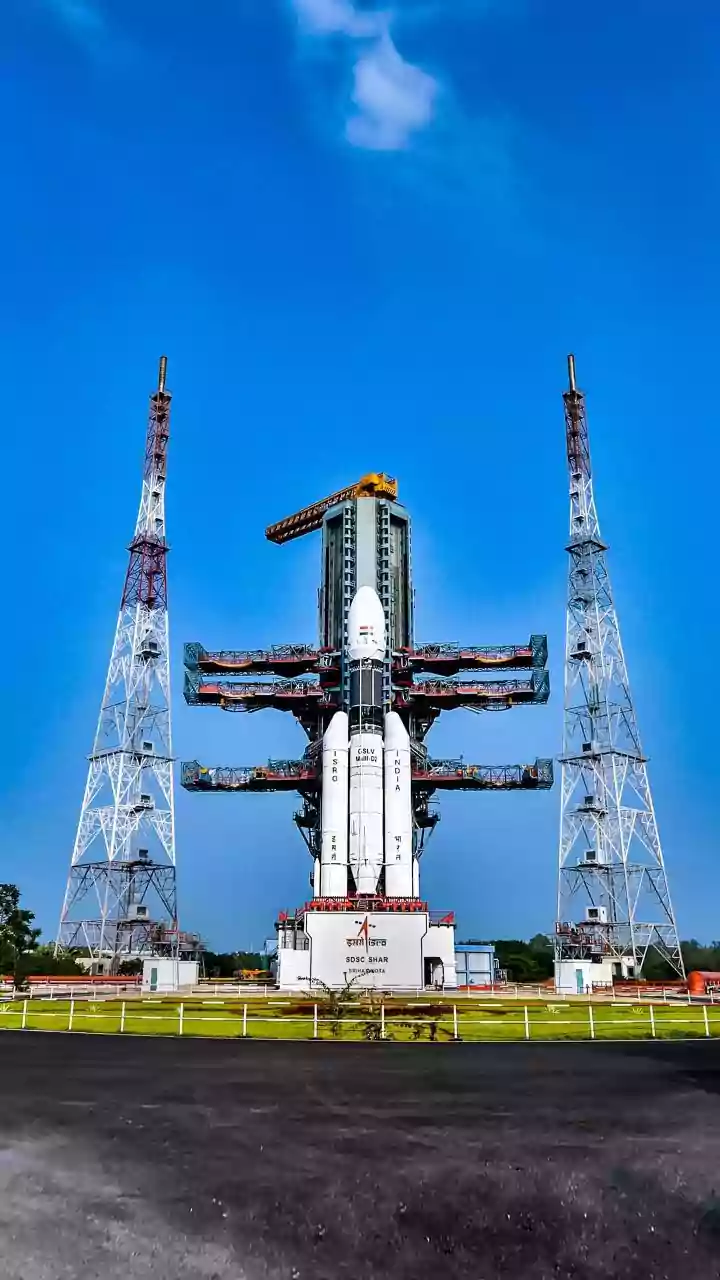
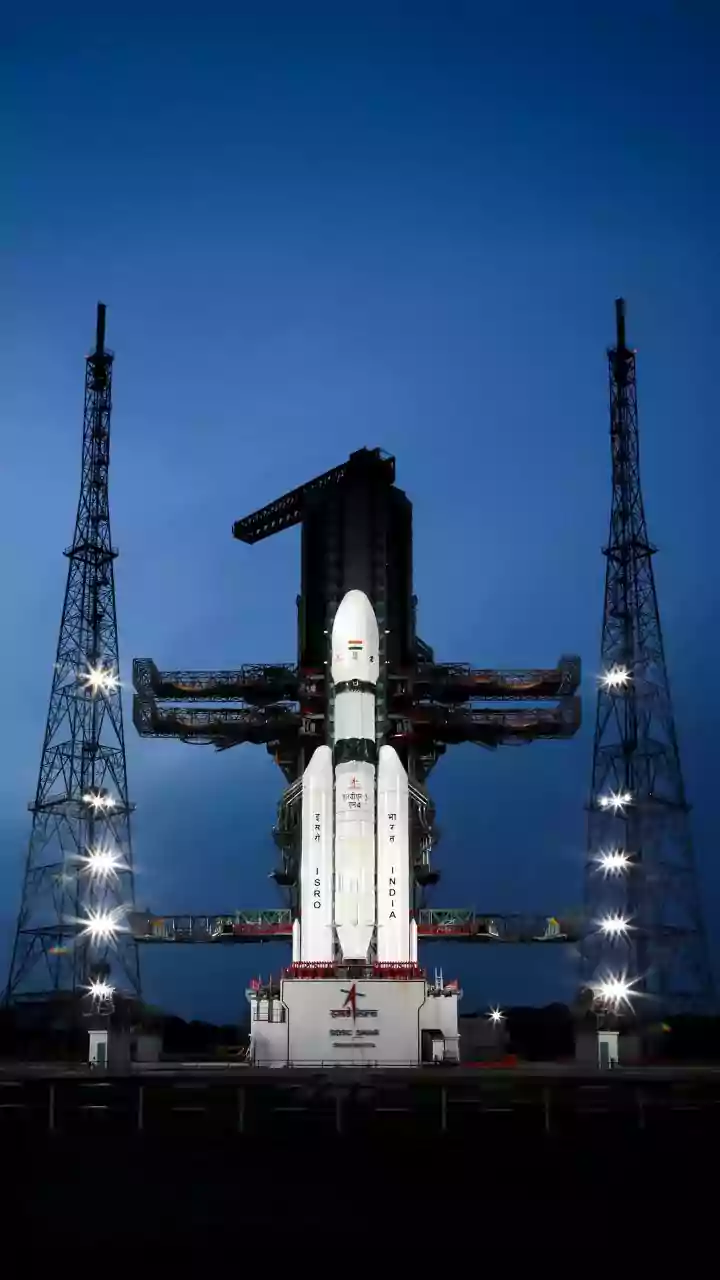
This global revolution has a distinctly Indian chapter. India's space economy, currently valued at around $8.4 billion, is projected to surge to over $44 billion by 2033. This explosive growth is being fuelled by policy reforms that have opened the sector to private enterprise. We are witnessing the rise of 'Space 2.0' in India, where startups are no longer just component suppliers for ISRO but are building their own launch vehicles, satellites, and data services. With the number of registered space startups climbing from just one in 2014 to over 400 in 2026, the ecosystem is buzzing with activity. The government's IN-SPACe agency is facilitating this by providing private players with access to ISRO's world-class facilities, creating a synergistic model where ISRO focuses on deep-space R&D while private firms drive commercial applications.
The Challenge of a Crowded Sky
The rocket revolution's success brings new challenges, chief among them being the issue of space sustainability. With thousands of active satellites in orbit and tens of thousands of pieces of trackable debris, the risk of collision is growing. It is estimated that more than a tonne of manufactured debris now returns to Earth unguided every week. In response, regulatory bodies and space agencies are pushing for stricter rules. The old 25-year guideline for deorbiting satellites is being replaced by a much shorter 5-year rule for many new launches. Initiatives like Europe's 'Zero Debris Charter', which aims to stop generating new debris from its missions by 2030, signal a growing consensus that the future of space depends on keeping our cosmic backyard clean and usable for generations to come.