









What is This Bioflex Experiment?
At its heart, the 'bioflex experiment' is about flex-fuel vehicles (FFVs). These are cars engineered to run on petrol, ethanol, or any blend of the two, right up to E85 (85% ethanol). India's government has been pushing for higher ethanol blending to cut
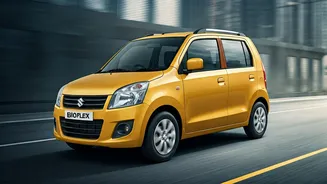
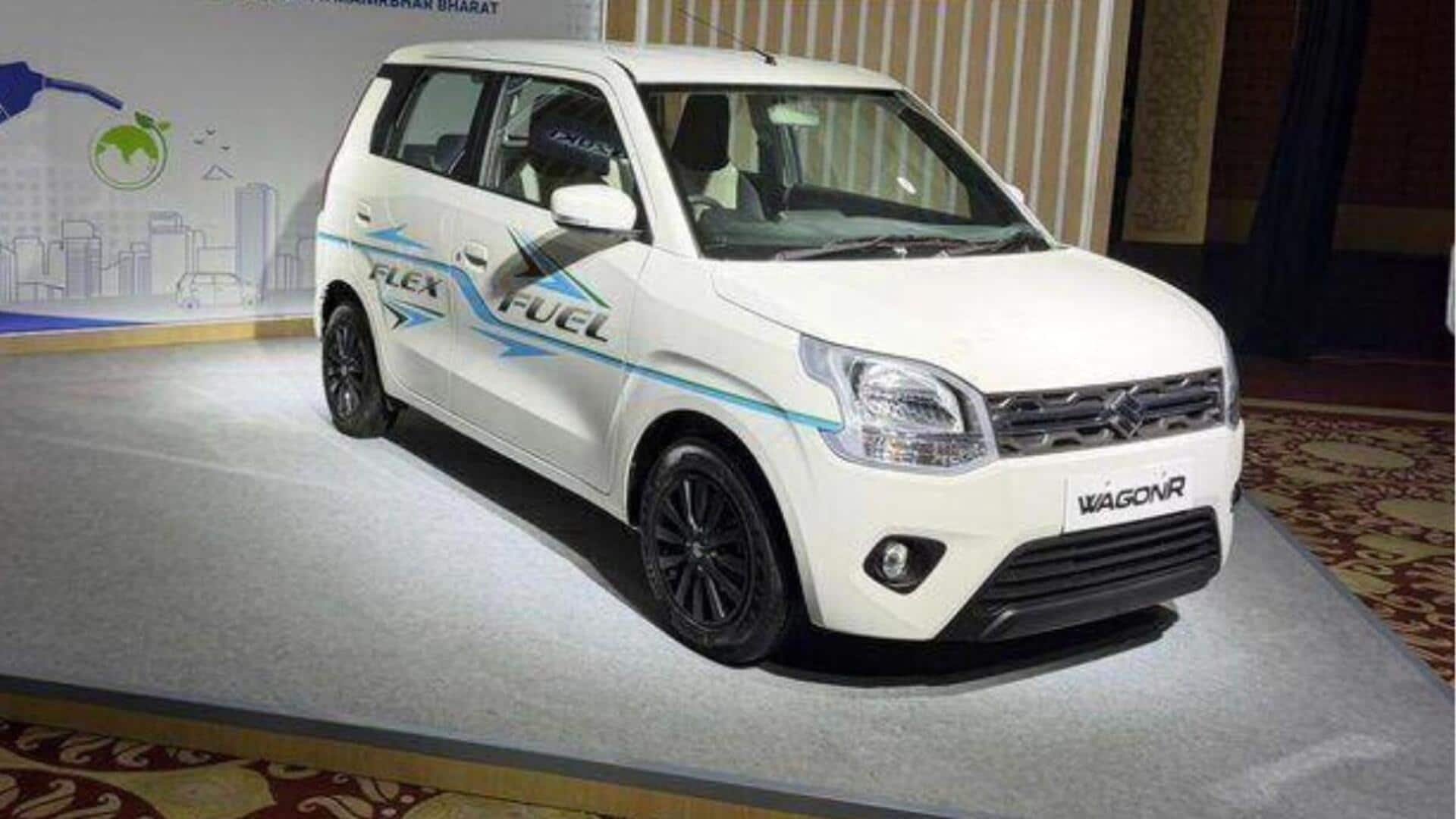
its massive oil import bill, reduce carbon emissions, and support the agricultural sector, which produces ethanol from sugarcane and other crops. Maruti Suzuki, India's largest carmaker, responded by developing a flex-fuel version of its popular Wagon R. Launched in June 2026, this model is the first mass-market passenger car in India designed to be compatible with high-ethanol blends. The carmaker made significant changes to the engine, including upgraded fuel injectors and pumps, to handle the corrosive nature of ethanol. The goal is to align with the government's aggressive target of advancing 20% ethanol blending (E20) nationwide.
So Why Only Three Buyers?
The headline-grabbing number is accurate but requires context. According to recent data, only three units of the Wagon R Bioflex were registered in its first month. However, this wasn't an open-market flop. Maruti intentionally limited the initial sales to a small group of commercial fleet operators, specifically members of the Indian Sugar and Bio-energy Manufacturers Association (ISMA). This was a strategic pilot program, not a nationwide retail launch. The reason is simple: there is virtually no public infrastructure to support these cars yet. The Bioflex model is not even available to private buyers because the E85 fuel it's designed for is incredibly scarce. Selling only to select commercial partners allows Maruti to gather real-world data on engine performance and durability under high-mileage conditions without frustrating everyday customers.
The Chicken-and-Egg Dilemma
The slow start of the Wagon R Bioflex perfectly illustrates the core challenge facing India's ethanol ambitions: a classic chicken-and-egg problem. Automakers are hesitant to mass-produce FFVs if there are no fuel stations, and fuel companies won't invest in expensive E85 pumps if there are no cars to use them. As of mid-2026, India has only a handful of E85 retail outlets, mostly concentrated in Delhi and Mumbai. While the government has an ambitious plan to expand this network to 500 stations by the end of 2026 and 5,000 by 2027, the reality on the ground is that FFV owners have almost nowhere to fill up. Until this network becomes widespread and reliable, the market for FFVs will remain confined to pilot programs and niche commercial fleets operating on fixed routes near the few available pumps.
It's Also About the Money
Even with better fuel availability, convincing customers to switch presents a significant financial hurdle. The Wagon R Bioflex comes with a steep premium of around ₹86,000 over its standard petrol counterpart. This is due to the specialised components needed to handle ethanol. While E85 fuel is priced about ₹20 per litre cheaper than regular petrol, this doesn't automatically translate to savings. Ethanol has a lower energy density, meaning the car consumes more fuel to travel the same distance. This drop in fuel efficiency, often estimated between 20-30%, can wipe out the savings from the lower pump price. Unless the price of E85 is discounted even further, the total cost of ownership—factoring in the higher purchase price and lower mileage—makes it a tough sell for the average, cost-conscious Indian buyer.