









What Is Social Jet Lag?
Social jet lag is the term for the mismatch between your body's internal biological clock and the schedule you keep due to social obligations like work, school, or your social life. Think of it this way: during the week, you might force yourself to wake
up at 6 AM for work. But on weekends, you stay up late and sleep in until 10 AM. This weekly shift is like flying across a few time zones every Friday night and flying back every Monday morning, all without leaving your city. This constant back-and-forth confuses your body's natural rhythms, leading to fatigue and grogginess. Up to 87% of people may experience some level of social jet lag, with the average person having a one to two-hour gap between their biological and social clocks.
Your Body Clock vs. The Social Clock
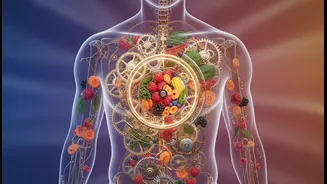
Your body runs on an internal 24-hour cycle known as the circadian rhythm. This master clock, located in the brain, regulates everything from when you feel sleepy to when you feel hungry. It takes cues from external factors, primarily daylight, to stay synchronised. However, modern life often imposes a different schedule. Early start times for work and late-night social gatherings create a conflict between what your body is programmed to do and what your life demands. This misalignment is the very essence of social jet lag, disrupting the carefully orchestrated hormonal and metabolic processes that govern your body.
The Link to Hunger and Appetite
Recent research is making it clear that social jet lag directly meddles with the hormones that control hunger. The two key players are ghrelin and leptin. Ghrelin is often called the 'hunger hormone' because it signals your brain that it's time to eat. Leptin is the 'satiety hormone' that tells your brain you're full. A stable sleep schedule keeps these two in balance. However, when your sleep pattern is disrupted by social jet lag, this delicate balance is thrown off. Studies show that even short-term sleep misalignment can lead to higher ghrelin levels and lower leptin levels. This hormonal imbalance sends a powerful message to your brain: you're hungry, even if you don't physically need the calories.
Cravings, Calories, and Consequences
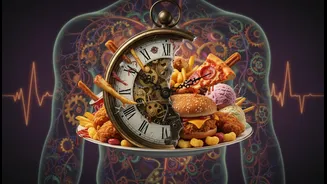
The hormonal chaos doesn't just make you feel hungrier; it changes what you want to eat. When experiencing social jet lag, people are more likely to crave high-calorie, high-carbohydrate, and sugary foods. This is your body's misguided attempt to find a quick source of energy to fight off the fatigue caused by circadian disruption. Over time, this pattern can have serious consequences. Studies have linked social jet lag to an increased risk of obesity, with some research suggesting that every hour of social jet lag could increase obesity risk by as much as 33%. It is also associated with a higher risk for metabolic issues like type 2 diabetes and cardiovascular problems.
How to Reduce Social Jet Lag
The good news is that you can take steps to reset your body clock and minimise social jet lag. The most effective strategy is consistency. Try to go to bed and wake up at roughly the same time every day, including on weekends. Aim to keep your wake-up time within a one-hour window. If you stay up late on a Saturday, try to still get up reasonably close to your weekday time. Exposing yourself to bright, natural light first thing in the morning is a powerful signal to reset your circadian rhythm. Similarly, reducing your exposure to blue light from screens in the evening can help your body prepare for sleep. Even small, consistent adjustments can make a big difference in aligning your body clock with your lifestyle, helping to regulate your appetite and improve your overall well-being.