

A Frightening Reminder at 35,000 Feet
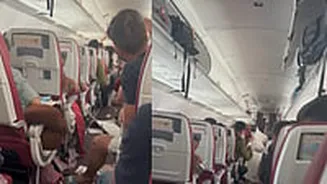
On August 4, 2026, passengers on an Air India flight from Phuket to Delhi experienced a terrifying ordeal. The aircraft encountered severe and unexpected turbulence, causing a sudden altitude drop of about 300 feet. The event resulted in injuries to several
passengers and crew members, with some requiring hospitalisation. Eyewitness accounts described people who were not buckled in being thrown against the cabin ceiling, a vivid illustration of the powerful forces at play. The incident, now under investigation by the Directorate General of Civil Aviation (DGCA), serves as a crucial case study in why cabin safety rules are not mere suggestions.
The Invisible Danger: Clear-Air Turbulence
While many travellers associate turbulence with stormy weather, the most dangerous type often strikes in clear skies. Known as clear-air turbulence, or CAT, it is virtually invisible to pilots and weather radar, meaning it can occur without any warning. CAT is caused by shifts in wind speed and direction between air masses, often near high-altitude jet streams. Pilots cannot always see it coming, which is why passengers may be caught off-guard while moving about the cabin or resting without their seatbelt fastened. Experts note that while aircraft are built to withstand even severe turbulence, the real danger is to unsecured occupants and objects inside the plane. Studies have also suggested that climate change may be increasing the frequency and intensity of CAT.
The Psychology of Staying Unbuckled
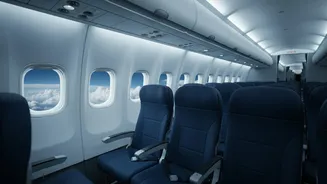
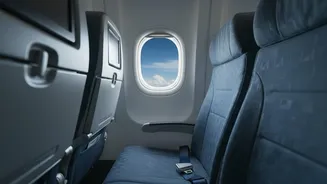
Most passengers are diligent about wearing their seatbelts during takeoff and landing. But once the plane reaches cruising altitude and the seatbelt sign is switched off, it's common to see people unbuckle for comfort. This behaviour often stems from a misunderstanding of risk. The smooth ride can create a false sense of security, leading passengers to believe the danger has passed. However, as the recent Air India incident shows, severe turbulence can strike at any moment during the cruise phase of a flight. Flight attendants and pilots consistently advise that the absence of a warning light is not an all-clear signal. The only way to be completely safe from unexpected turbulence is to remain buckled in whenever you are seated.
What the Experts Say: A Simple Rule
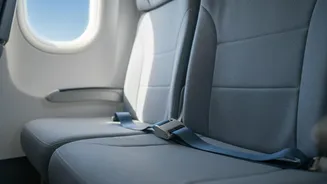
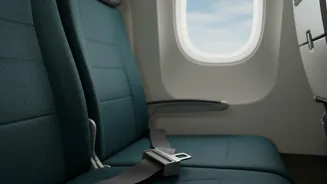
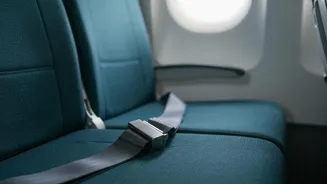
Aviation authorities and crew members are unanimous in their advice: keep your seatbelt fastened whenever you are in your seat. The DGCA, India's aviation regulator, mandates that passengers must be seated with belts fastened when the sign is on. Airlines like Japan Airlines and safety organisations like Airbus go further, strongly encouraging passengers to keep their belts on throughout the flight, even when the sign is off, as a precaution against sudden events. Flight attendants are trained to secure the cabin during turbulence, but their first action in a severe event is to secure themselves. This underscores the reality that in a sudden drop, there is no time to react. The single most effective safety measure is the one you take before an incident occurs.
Making Safety a Habit
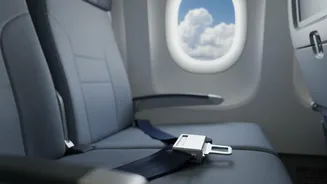
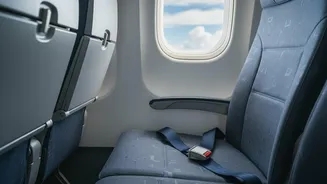
Turbulence-related injuries are almost entirely preventable. While modern aircraft are incredibly safe, physics remains undefeated. If the plane drops suddenly, an unbuckled passenger essentially becomes a projectile. The simple act of fastening your seatbelt, even loosely over a blanket while you rest, can prevent serious harm. It protects you from being thrown from your seat and colliding with the cabin structure or other passengers. Think of it less as a restrictive command and more as your personal safety net in an unpredictable environment. It's a small habit that makes an enormous difference, turning a potentially dangerous event into a non-issue.