


The Golden Rules of Fermentation Safety
Fermentation is a natural process where microbes like bacteria and yeast convert carbs into acids or alcohol, preserving the food and creating beneficial probiotics. While generally safe, home fermentation requires care to prevent spoilage and contamination.
The first rule is absolute cleanliness; sterilise all jars, lids, and utensils to prevent unwanted bacteria from growing. Second, use high-quality ingredients. Fresh, unbruised produce provides the best foundation for beneficial bacteria to thrive. Finally, for vegetable ferments, ensuring the food stays completely submerged in the brine is critical. Any food exposed to air is a potential site for mold, which can spoil the entire batch.
Yoghurt: The Familiar Favourite
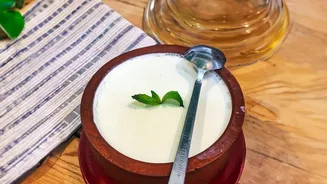
Yoghurt, a staple in many Indian households often as dahi, is one of the most common fermented foods. It is made by fermenting milk with a starter culture of specific bacteria. These live cultures can help improve digestion and boost immunity. For safety, always use a reliable starter culture in pasteurised milk. If making it at home, ensure the milk is heated and cooled to the correct temperatures before adding the culture to encourage the right bacteria to grow. Store-bought yoghurts should be refrigerated and consumed by their expiration date. Signs of spoilage include a very sour smell, a watery texture, or any visible mold.
Kimchi: Korea's Spicy Staple
This traditional Korean side dish, made from fermented napa cabbage, radish, and a zesty blend of spices, is packed with vitamins and probiotics. When making or buying kimchi, safety is paramount. The key is using the right amount and type of salt—non-iodized salt is best—to create a brine that inhibits harmful bacteria while allowing beneficial ones to flourish. During fermentation, the jar should be 'burped' daily to release built-up gas. A good kimchi will smell pleasantly sour and tangy. If you see fuzzy black, green, or pink mold, or if it has a putrid smell, it must be discarded.
Miso and Tempeh: Fermented Soybean Powerhouses
Miso is a fermented soybean paste used widely in Japanese cuisine, while tempeh is a firm cake of fermented soybeans popular in Indonesia. Both are created using specific molds and starter cultures. For these, it's often safest for beginners to rely on high-quality, store-bought products from trusted brands, as the fermentation process is more complex. When purchasing, look for labels that indicate the product contains 'live, active cultures'. Miso is naturally high in sodium, so it should be used in moderation. Tempeh should have a firm texture and a nutty, mushroom-like smell; any slimy texture or ammonia-like odour indicates spoilage.
Kefir: The Drinkable Probiotic
Kefir is a fermented, drinkable yoghurt-style beverage with a slightly fizzy texture and tangy taste. It is made using kefir 'grains'—a symbiotic culture of bacteria and yeast—to ferment milk. The process helps break down lactose, making it easier for some people to digest than regular milk. When preparing kefir at home, it's crucial to use a healthy starter culture and maintain a clean environment. The fermentation temperature is also important; a room temperature between 20-22°C is generally ideal. Finished kefir will be slightly thick and have a tangy aroma. If it smells overly sour or shows any signs of separation or mold, it should not be consumed.