


The RBI’s Clean Note Mandate
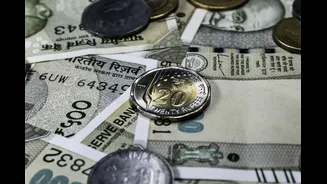
At the heart of the matter is the Reserve Bank of India's long-standing 'Clean Note Policy'. First announced in 1999, its objective is simple: to provide citizens with good quality, clean currency notes and coins, while systematically withdrawing soiled
and damaged notes from circulation. As part of this policy, the RBI has instructed banks to stop stapling note bundles, which shortens their lifespan, and to issue only clean notes to the public. Banks are expected to act as the primary channel for this, accepting old notes and providing fresh ones without restriction, even to non-customers.
What Makes a Note 'Unfit'?
The RBI has specific definitions for notes that are considered unfit for recirculation. A 'soiled note' is one that has become dirty or limp through normal use, and it includes a note that has been torn into two pieces but taped together. A 'mutilated note' is one where a portion is missing or which is composed of more than two pieces. Then there are 'imperfect notes'—those that are shrunk, washed, or altered. While banks are mandated to freely exchange most of these notes, some, like those that are extremely brittle, burnt, or have political slogans written on them, must be taken to an RBI issue office for special adjudication.
The Great Sorting Challenge
The sheer scale of India's economy makes this a monumental task. With a huge population and a significant portion of the economy still heavily reliant on cash, billions of notes are in circulation at any given time. To manage this, the RBI and commercial banks use high-speed Currency Verification and Processing Systems (CVPS). These machines can process thousands of notes per hour, sorting them into three categories: fit for reissue, unfit (soiled/damaged), and suspect (potentially counterfeit). The unfit notes are then shredded and destroyed. However, ensuring every bank branch across the country has the right equipment and adheres strictly to these sorting standards is a massive logistical challenge.
Why a Uniform Rule Won't Work
This is where the 'one-size-fits-all' approach breaks down. India is not a monolithic economy. A street vendor in a rural market has a very different interaction with cash than an urban professional using digital payments. Imposing an overly strict, uniform standard for note acceptance could disenfranchise large sections of the population. For instance, a small shopkeeper who accepts a slightly torn note in good faith cannot afford to have it rejected by their bank. In many parts of the country, cash is king, and its condition is secondary to its value. The flow of currency through humid monsoons, dusty markets, and countless hands means notes will inevitably get soiled. A rule that is too harsh would disrupt daily commerce for millions and place an unfair burden on small businesses and individuals who have limited access to formal banking infrastructure.
The Balancing Act for Banks
Banks are caught in the middle. On one hand, they are under strict RBI mandate to supply only clean notes and weed out the unfit ones. They face penalties for failing to do so, including for counterfeit notes found in their remittances. On the other hand, they must provide unrestricted exchange services to the public. Refusing to accept a soiled note could lead to customer complaints and even action from the Banking Ombudsman. This forces them to perform a delicate balancing act: upholding the RBI's policy on quality while also meeting the practical, everyday needs of a cash-dependent public. It’s a constant tension between policy enforcement and customer service.