


The Soul of Mediterranean Eating
For decades, the Mediterranean diet has been a gold standard for healthy living, linked to a lower risk of heart disease, Type 2 diabetes, and other chronic conditions. But it’s crucial to understand that it’s not a “diet” in the restrictive sense. It’s
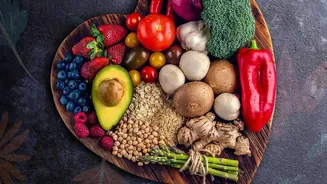
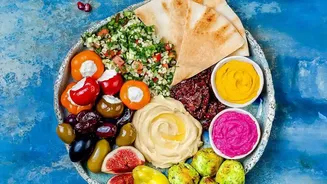
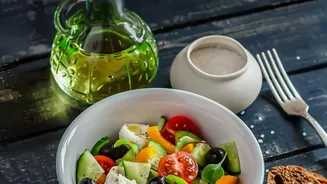
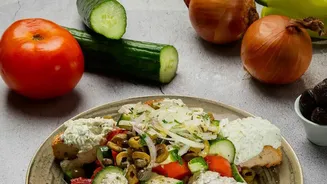
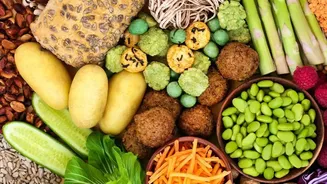
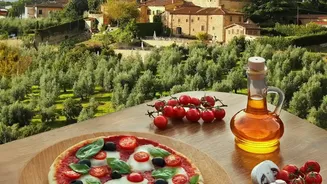
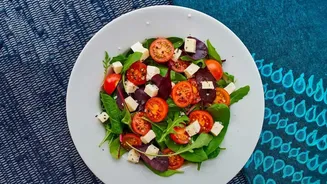
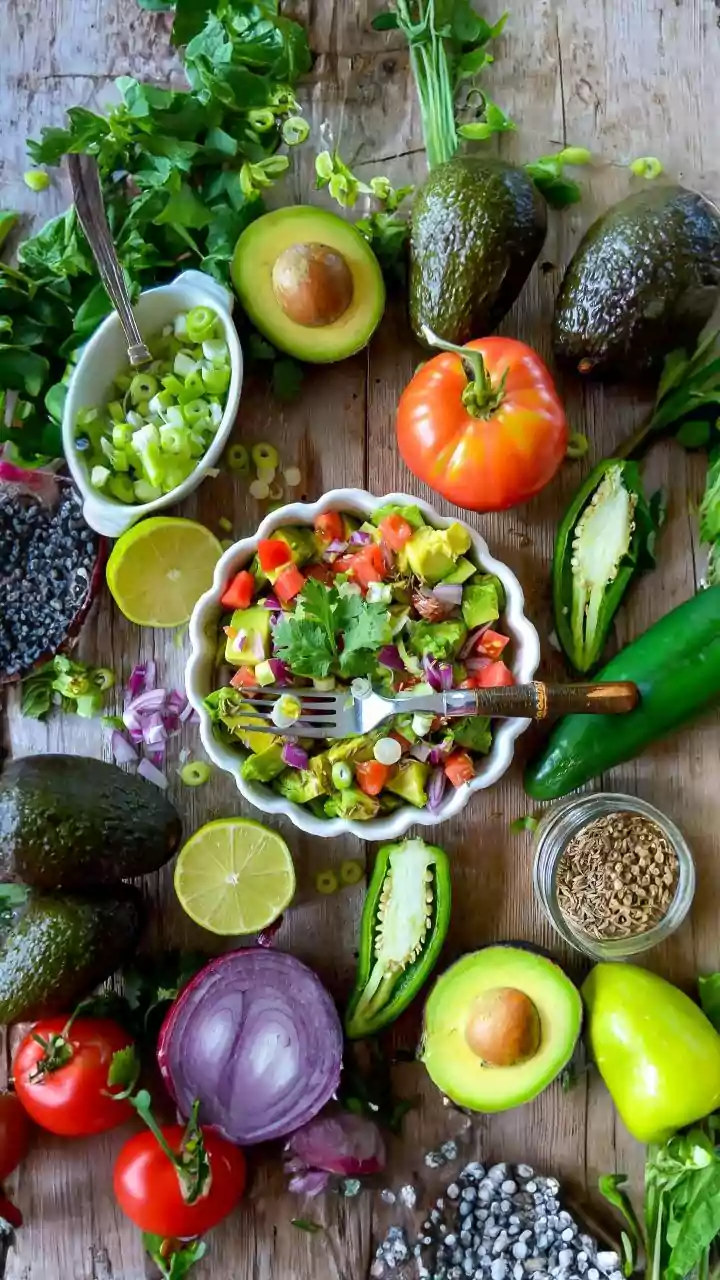
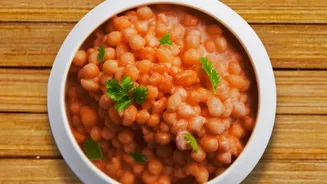
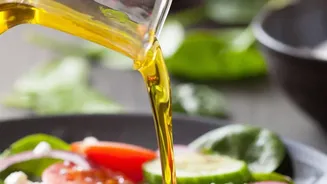
a dietary pattern inspired by the traditional eating habits of people in countries like Greece, Italy, and Spain. The focus is on an abundance of minimally processed plant foods: fresh fruits and vegetables, whole grains, legumes, and nuts. Olive oil is the principal source of fat, and there's a moderate intake of fish, poultry, and dairy, with red meat consumed rarely. More than just a list of foods, this lifestyle emphasizes flexibility, seasonality, and the social joy of sharing meals. There are no strict calorie counts or forbidden food groups, just guiding principles that create a balanced, sustainable, and enjoyable way of eating.
The Instagram Effect: Rules Over Reality
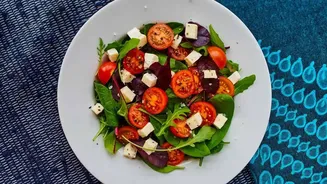
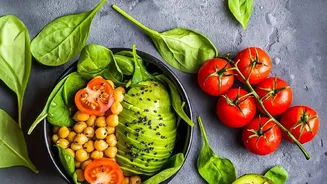
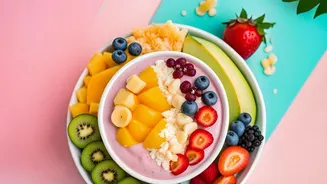
On platforms like TikTok and Instagram, the Mediterranean diet looks very different. Influencers present beautifully curated “What I Eat in a Day” videos and aesthetically pleasing meal preps that often create an illusion of rigid perfection. The flexible guidelines are replaced with hard rules. What was once a lifestyle becomes a series of non-negotiable swaps and “clean” ingredients. A 2024 study analyzing TikTok posts with the hashtag #mediterraneandiet found that the information presented was highly variable and often misleading. Many posts created by non-health professionals failed to define the diet accurately, and some even promoted foods, like processed meats and sweets, that are not aligned with its core principles. The focus shifts from holistic well-being to a narrow, visual ideal, where every meal must be photogenic and adhere to a strict interpretation of “healthy.” This misrepresentation can be confusing for people trying to adopt a healthier lifestyle.
When Wellness Becomes Unwell
This transformation from a flexible pattern to a rigid trend has a significant downside. When social media promotes an all-or-nothing approach, it can foster an unhealthy relationship with food. The pressure to eat “perfectly” can lead to guilt and anxiety around meal choices. Experts warn that this fixation on “pure” or “clean” eating can be a gateway to disordered eating behaviours, such as orthorexia nervosa—an obsession with healthy eating that becomes psychologically damaging. Studies have consistently shown a link between high social media use, particularly image-based platforms, and increased body dissatisfaction and disordered eating tendencies. The constant comparison and pursuit of an unrealistic, algorithm-fed ideal of health can strip the joy from eating and turn a beneficial lifestyle into a source of stress.
Reclaiming the Authentic Approach
So, how can you embrace the true spirit of Mediterranean eating without falling into the social media trap? The key is to focus on principles, not perfection. Instead of trying to replicate an influencer’s exact meal plan, focus on incorporating the core components of the diet into your life. Add more vegetables to your plate, switch to whole grains, use olive oil for cooking, and enjoy fish a couple of times a week. Remember that this is not a diet of restriction but one of abundance. It allows for flexibility and enjoyment. It’s also important to be a critical consumer of social media content. Look for advice from registered dietitians or certified medical professionals, who are more likely to provide accurate, evidence-based information. Be wary of accounts that promise quick fixes, promote specific products, or demand the elimination of entire food groups without a medical reason.