








A Landmark's Moment in the Spotlight
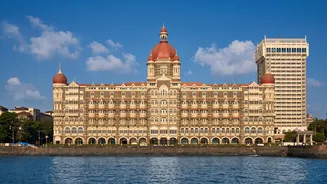
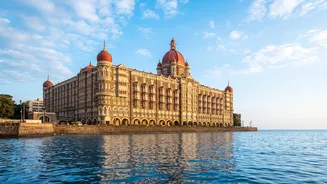
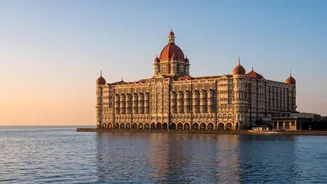
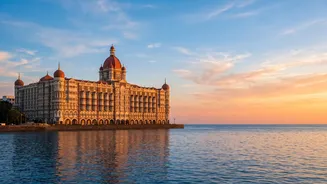
For over a century, The Taj Mahal Palace has been more than just a hotel; it’s an inseparable part of Mumbai's identity. Opened in 1903 by Jamsetji Tata, it stood as a symbol of Indian enterprise and luxury, famously preceding the Gateway of India by two
two decades. Its latest accolade, a jump from number 38 in 2025 to number 30, marks its continued presence on a globally watched stage. The list, which celebrated the achievement, hailed the hotel for its enduring grandeur and exemplary hospitality. This recognition places the heritage property, the only Indian hotel in the top 50, firmly in the international spotlight, adding another chapter to its storied history of hosting royalty, dignitaries, and global celebrities.
Understanding the 'World's 50 Best' Seal
So, what are The World's 50 Best Hotels awards? Run by the same organization famous for its restaurant rankings, this list is compiled from the votes of over 800 anonymous industry experts. This 'Academy' includes hoteliers, luxury travel journalists, and seasoned globetrotters from across 13 regions. Each voter casts seven votes for the best hotels they have personally stayed at over the previous few years. The lack of a formal application process and the expert-led panel give the rankings a sheen of authenticity and make inclusion a significant honour. It's seen as a snapshot of what is currently impressing the world's most discerning travellers.
A Necessary Reality Check
Here’s where the headline’s caution comes in. The ranking’s strength — its reliance on personal experience — is also its key limitation. There is no fixed checklist or objective scoring system for service, amenities, or value. One voter might prioritize groundbreaking design, while another values quiet, flawless service above all else. The outcome is a collection of subjective ‘best experiences’ rather than a definitive, scientific verdict on which hotel is objectively superior to another. Critics point out that this methodology can lead to puzzling results and that a hotel's position can be influenced by how many voters happened to visit it recently, not necessarily its consistent quality compared to others. The list is a fantastic guide for inspiration, but its precision shouldn't be overstated.
Beyond Any Number: The Taj's True Legacy
Ultimately, the true measure of a hotel like The Taj Mahal Palace lies far beyond its place on a list. Its value is woven into its history, from being the first hotel in India with electricity and female employees to its resilience and role as a symbol of strength for the city. The Indo-Saracenic architecture, the collection of art lining its corridors, and the highly personalised service that has become its hallmark contribute to an experience that a number cannot capture. It holds the distinction of being the first building in India to secure an image trademark for its architectural design, cementing its iconic status. The hotel’s worth is found in the generations of memories it has hosted and its unwavering position as a cultural landmark overlooking the Arabian Sea.