





What is an Eco-Sensitive Zone?
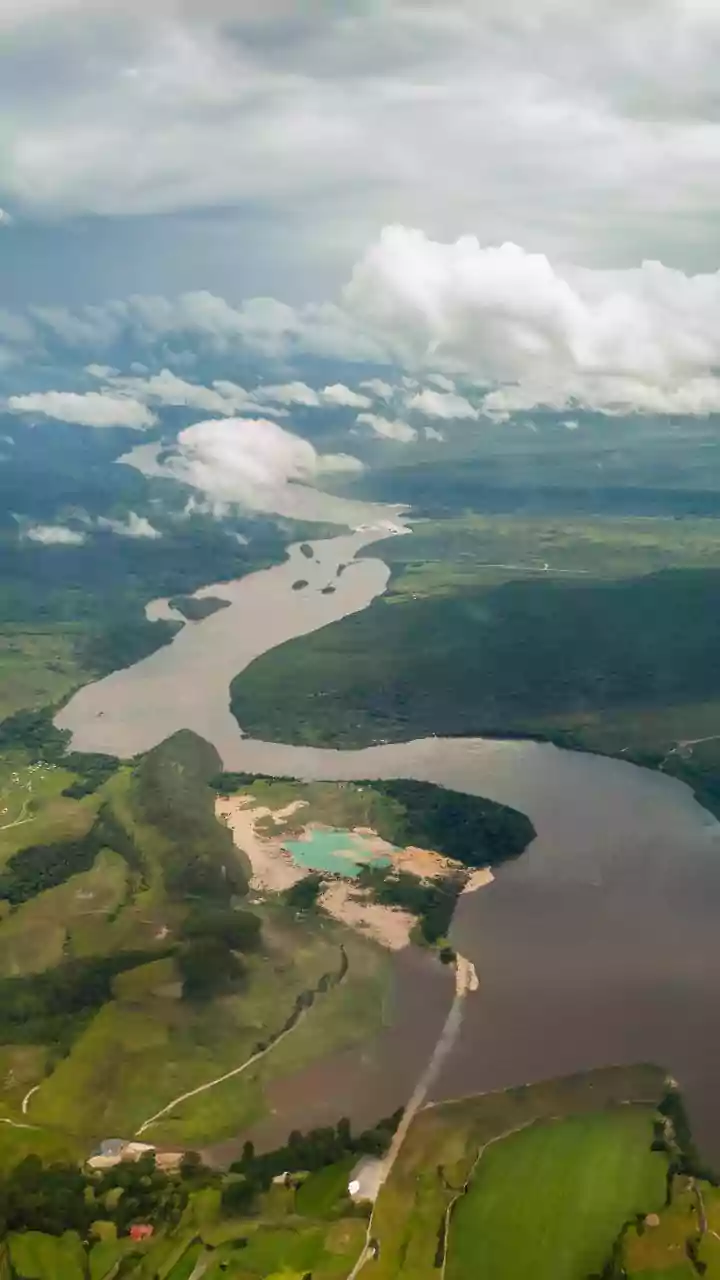
Think of an Eco-Sensitive Zone (ESZ) as a shock absorber. It’s a regulated area designated around national parks and wildlife sanctuaries to buffer them from the pressures of human activity. The goal isn’t to ban all human life but to manage development
in a way that protects the core ecosystem. Activities are typically categorized as prohibited (like commercial mining and polluting industries), regulated (like new hotel construction or road widening), and permitted (like ongoing farming). For years, Kaziranga has operated with a default 10-kilometre ESZ, a placeholder applied by the Supreme Court because a site-specific boundary was never formally notified. Now, a proposal to finalize this boundary at a much smaller one kilometre is at the heart of the conflict.
The Government’s Push for a Smaller Zone
The Assam government argues that the 10-kilometre default buffer is impractical and stifles development. Officials point out that entire towns like Bokakhat and Kaliabar fall within this wide radius, complicating plans for necessary infrastructure like stadiums and hindering the lives of thousands of residents. They cite a 2022 Supreme Court order that mandated a minimum ESZ of one kilometre around all protected areas, which was later modified to allow for more flexibility. Proponents of the change believe that a scientifically defined and officially notified one-kilometre zone would provide much-needed regulatory clarity, allowing planned development to proceed while still protecting the park's immediate periphery. For them, this isn't about weakening protection but about creating a clear, manageable rule that replaces a long-standing, overly broad default.
Fears for Wildlife and Ancient Corridors
Conservationists and environmental groups argue that a one-kilometre buffer is dangerously insufficient for Kaziranga. Wildlife does not recognise administrative boundaries. During the region's annual, severe floods, animals like rhinos, elephants, and tigers instinctively move to the higher ground of the adjacent Karbi Anglong hills. These ancient migration routes are their lifeline. Critics fear that shrinking the ESZ will open the floodgates to construction and other activities that will sever these vital corridors, trapping animals and escalating human-wildlife conflict. They point to existing problems with illegal quarrying and mining even within the current buffer zone as evidence that enforcement is already weak, and reducing the zone would only make matters worse.
Livelihoods and Rights on the Line
For the communities living around Kaziranga for generations, the debate is deeply personal. Many indigenous and local families depend on farming, fishing, and small-scale tourism for their survival. While some see a smaller ESZ as a path to better roads and economic opportunities, others fear it will prioritize large-scale commercial interests over their rights. The push for luxury hotels and other major projects has already led to accusations of a 'land grab,' with some families reportedly displaced. Land rights activists have voiced strong opposition, highlighting a growing conflict between big-ticket tourism and the traditional livelihoods that have coexisted with the park for centuries. For these communities, the final boundary is not just about conservation policy; it's about whether their way of life will be protected or erased.
The Search for a Middle Ground
The conflict over Kaziranga’s boundaries highlights a classic dilemma: how to balance conservation with human development. The solution may not be a simple choice between one kilometre and ten. Experts suggest a more nuanced approach, one that involves a scientific assessment to map critical wildlife corridors, floodplains, and river catchments. This could lead to a zoned ESZ, where rules are stricter in highly sensitive areas and more relaxed elsewhere. Community-led conservation and responsible eco-tourism are often cited as powerful tools that can create livelihoods that depend on a healthy ecosystem, turning local people into its most passionate defenders. Making villagers stakeholders in the park's future, rather than seeing them as obstacles, is seen as essential for long-term success.