





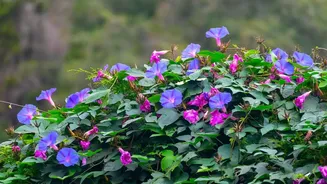
What Exactly is Neelakurinji?
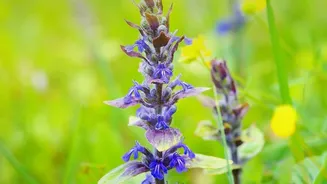
Neelakurinji, scientifically known as Strobilanthes kunthiana, is a shrub that is native to the shola grasslands of the Western Ghats. Its name is a combination of the Tamil words 'Neela' (blue) and 'Kurinji' (flower). What makes this plant so extraordinary
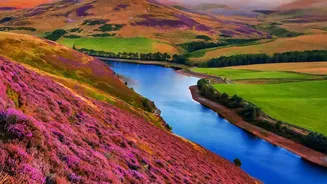
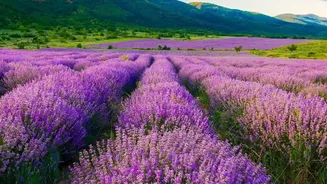
is its unusual life cycle. It is a monocarpic plant, which means it flowers only once in its lifetime, sets seeds, and then dies. This synchronized mass flowering event happens just once every 12 years, turning entire hillsides into a breathtaking sea of colour. This long, patient cycle is what makes each bloom a must-see event for nature lovers and photographers from across the globe.
The 2026 Bloom: A Tale of Two Cycles
While many associate Munnar's Neelakurinji with the massive bloom at Eravikulam National Park, which last occurred in 2018 and is next expected in 2030, the 2026 event is distinct and equally special. Different populations of the flower exist in the region, each running on its own 12-year clock. The current bloom is happening in a different cluster, primarily around the Chokramudi and Mattupetty-Korandakkad hills. This specific population last flowered in 2014, making 2026 its scheduled year to burst into life. The flowering season began in August 2026, and the blooms are expected to be at their peak from September through October, offering a vibrant display for visitors.
Where to See the Flowers
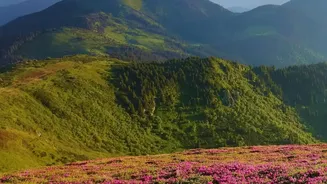
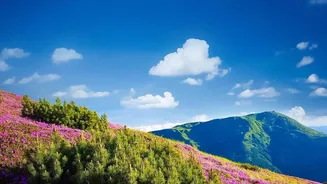
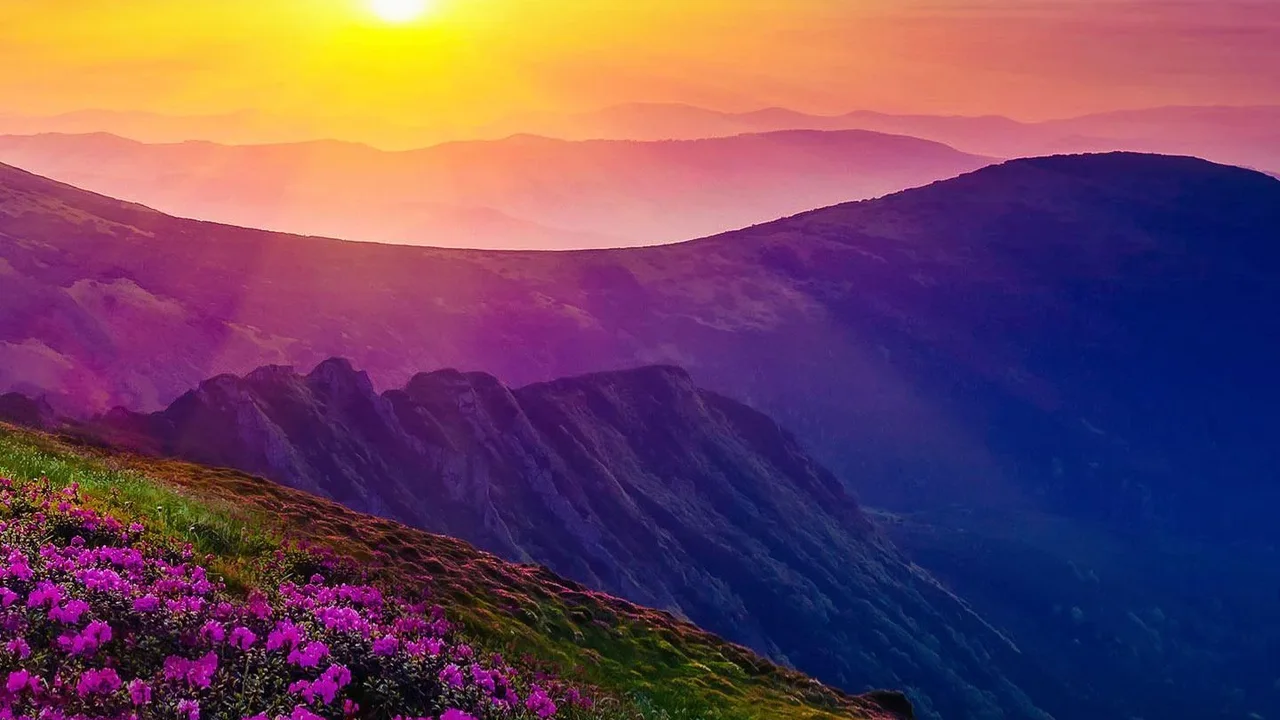
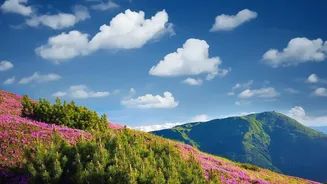
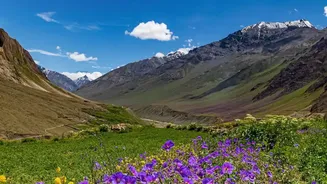
For those hoping to witness the spectacle this year, the primary viewing areas are not in Eravikulam National Park. Instead, visitors should focus on the designated zones in the Chokramudi and Mattupetty areas. The Kurinji Garden at Chokramudi was officially opened to visitors on August 24, 2026. Other spots where the flowers are being reported include the hills around Korandakkad, near Mattupetty Dam, and scattered patches near Chinnakanal and Letchmi Hills. As September progresses, forest officials anticipate the bloom will spread further across high-altitude grasslands, including areas like Gundumala and Sevenmala. These locations provide sweeping views of the violet-carpeted slopes.
Cultural and Ecological Significance
The Neelakurinji is more than just a pretty flower; it is deeply woven into the local culture and ecology. For the indigenous Paliyan and Muthuvan tribes of the region, the bloom has historically served as a natural calendar to mark their age and the passage of time. The flower is even mentioned in ancient Tamil Sangam literature. Ecologically, the mass flowering plays a vital role by providing a sudden abundance of nectar for bees, butterflies, and other pollinators, supporting the entire ecosystem. The Nilgiri Hills, which literally translate to 'Blue Mountains', are believed to have earned their name from the spectacular Neelakurinji blooms that periodically cover them.
A Call for Responsible Tourism
The rarity of the Neelakurinji bloom attracts a significant number of tourists, which puts pressure on the fragile shola ecosystem. Officials have put guidelines in place to protect the habitat. Visitors are urged to be responsible tourists. This includes strictly staying on designated trails to avoid trampling the plants. Plucking or damaging the flowers is prohibited, as these plants must complete their seeding process for the next generation to bloom in 12 years. Authorities also enforce strict no-plastic zones in the flowering areas. Respecting these rules is crucial to ensure that this natural wonder can be witnessed by generations to come, preserving the magic of the blue hills for their next cycle.