







What Makes the Indi Lime So Special?
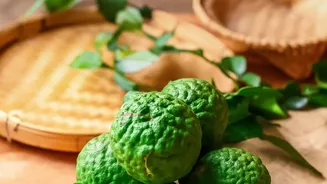
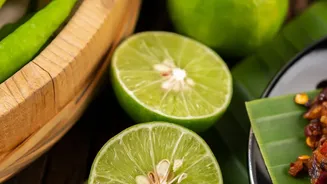
The Indi lime belongs to the 'Kagzi' variety, a name derived from the Hindi word for paper, alluding to its uniquely thin peel. This characteristic is more than just a curiosity; it means there is more juice packed into every fruit. The lime is prized
for its high juice content, pronounced acidity, and a zesty, refreshing aroma that sets it apart. It's also rich in ascorbic acid and tends to have fewer seeds. These qualities make it a favourite in both household kitchens and for commercial uses like pickles, beverages, and concentrates. The unique combination of a thin rind and high juice yield is a direct result of the specific agro-climatic conditions of the region, particularly in the Indi and Sindagi taluks.
A Legacy Rooted in Dry Land
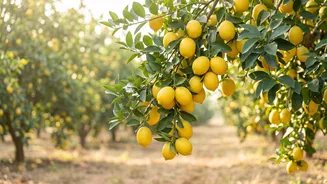
The cultivation of this specific lime in the Vijayapura region dates back to at least the early 1900s. For over a century, farmers have preserved the unique traits of this variety through careful selection. While concrete evidence is scarce, some historians believe the cultivation of lime was encouraged by the Adil Shahi sultans in the 15th century, who valued the fruit. Today, the district accounts for a staggering 58% of all lime produced in Karnataka, making it a critical crop for the local economy. For the more than 11,000 growers in the region, the Indi lime is not just a fruit but a primary source of livelihood that has shaped the agricultural identity of the area, earning Indi taluk the nickname "Land of Lemons."
The Journey to a Geographical Indication
A Geographical Indication, or GI tag, is a form of intellectual property that identifies a product as originating from a specific geographical location, possessing qualities or a reputation attributable to that origin. It protects traditional products from imitation and helps producers command better prices. The journey to secure the GI tag for the Indi lime was a five-year collaborative effort involving the Karnataka State Lime Development Board (KSLDB), the University of Horticultural Sciences in Bagalkot, and the Horticulture Department of Vijayapura. An association representing the producers, not an individual, must file the application with the GI Registry in Chennai. The process requires extensive documentation, including historical proof of origin, a map of the territory, and a detailed case explaining how the environment influences the product's unique qualities. After examination and publication in the GI Journal to allow for any opposition, the tag is granted. The Indi lime received its GI tag in 2023, with validity until 2031, making it only the second lime variety in India, after the Assam lime, to receive this recognition.
More Than Just a Tag: The Economic Promise
For the farmers of Vijayapura, the GI tag is more than just an honour; it's a gateway to economic empowerment. GI certification acts as a guarantee of authenticity, allowing products to fetch premium prices in both domestic and international markets. It can boost a rural artisan's or farmer's income by 20-30% by improving market access and strengthening their bargaining power. The tag has already paved the way for exports to countries like the United Kingdom, Dubai, and Oman, giving farmers access to global markets and reducing their dependence on fluctuating domestic prices. The Agricultural and Processed Food Products Export Development Authority (APEDA) has been instrumental in promoting these exports, which in turn brings better income to the farming community. This recognition helps transform a local agricultural treasure into a globally recognized brand, ensuring the preservation of both a unique fruit and the livelihood of the community that cultivates it.