




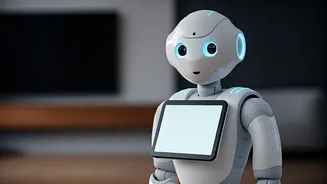
Meet the New Wave of Humanoids
The world of robotics is advancing at a breakneck pace, and Chinese firm Unitree is positioning itself at the forefront of this revolution. Known for its affordable quadruped robots, the company has now entered the humanoid race with its G1 and U1 models.
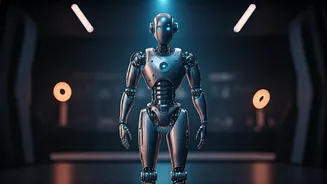
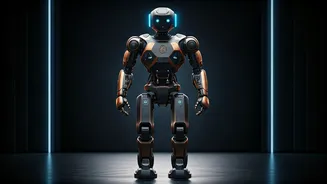
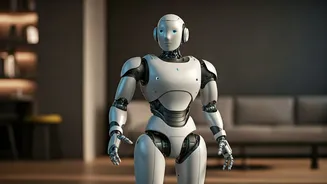
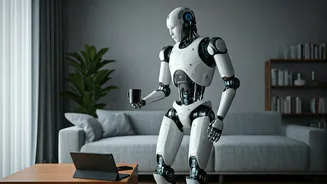
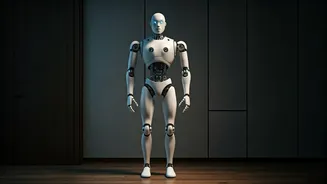
While several versions exist, the U1 is grabbing headlines for its balance of features and cost. Standing at about 1.3 meters (or just over 4 feet) tall and weighing around 35 kg, the U1 is designed to be agile and adaptable. It's part of a growing trend where robots are becoming less like industrial machines and more like platforms for research, education, and potentially, everyday assistance. The release of the U1 is not just another product launch; it’s a statement about the direction of the entire industry.
What Can It Actually Do?
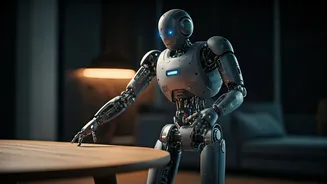
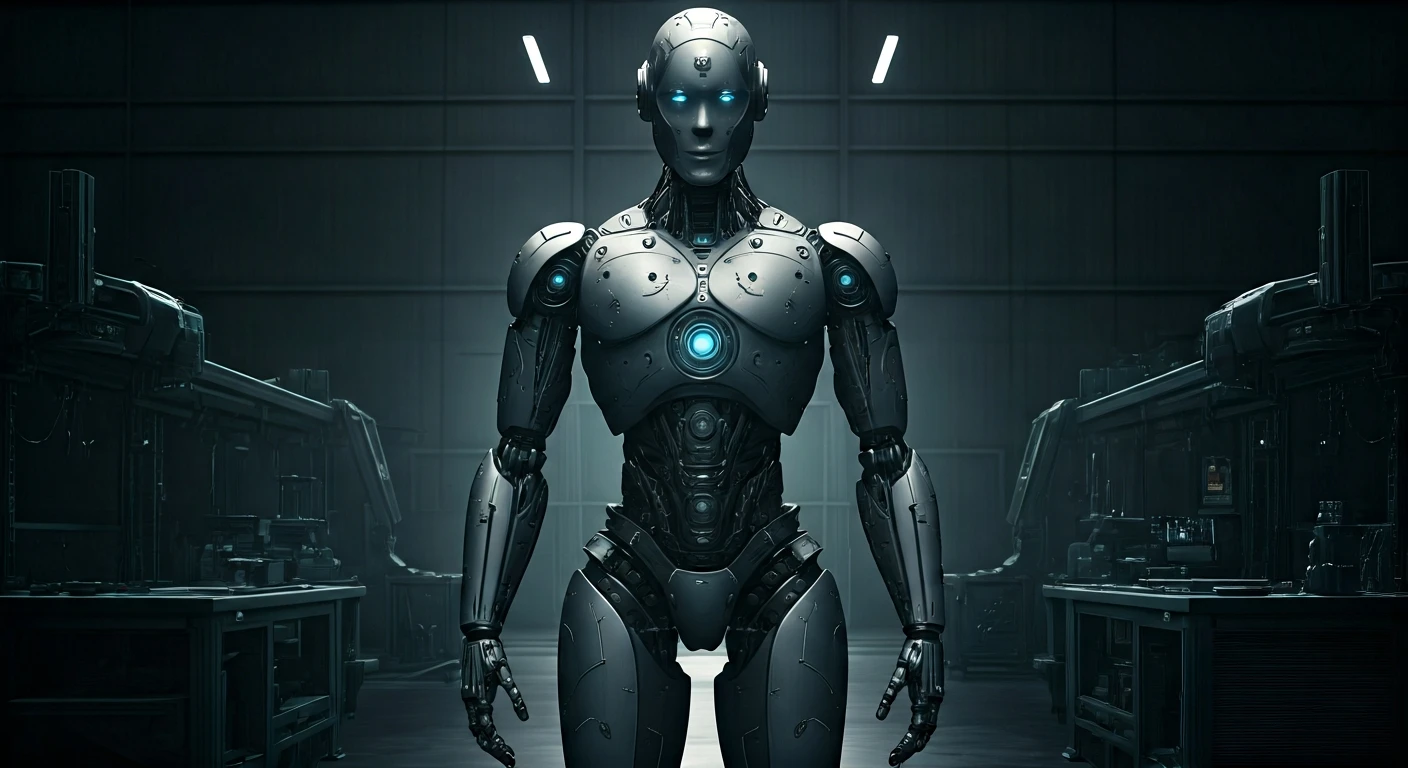
The U1 is more than just a walking mannequin. Depending on the specific configuration, it boasts between 23 and 43 degrees of freedom, which refers to the number of movable joints and allows for a wide range of human-like motion. It can walk, squat, and even right itself after a fall. Its sensory equipment includes 3D LiDAR and depth cameras, enabling it to perceive its environment, navigate terrain, and avoid obstacles. The brain of the operation is a powerful onboard computer, often an NVIDIA Jetson Orin module, which can handle complex AI calculations for tasks like object recognition and manipulation. The more advanced versions come with dexterous hands capable of handling objects, with an arm payload of up to 3 kg. This means the U1 is not just for show; it’s a capable platform for both learning and performing tasks.
What Does That Price Tag Mean?
The headline figure of CNY 119,800 is perhaps the most disruptive feature. As of early July 2026, this converts to approximately ₹14.7 lakhs. While that may sound expensive for a consumer gadget, it is remarkably low in the world of advanced humanoid robotics. For years, capable humanoids were multi-million-dollar projects confined to elite research labs. A sub-₹15 lakh price point puts the U1 within reach of universities, smaller tech companies, and dedicated hobbyists, dramatically widening the pool of people who can develop software and applications for such platforms. It's a price that signals a shift from purely industrial or high-end research models to a new category of more accessible, general-purpose robots.
The Race for Accessible Robotics
Unitree isn't alone in this pursuit. The global humanoid robot market is currently valued at over $2 billion and is projected to grow exponentially. Companies like Agility Robotics, Figure AI (which is deploying robots in BMW plants), and Tesla with its Optimus project are all working on creating commercially viable humanoids. The key difference is the focus. While some aim for heavy industrial work, Unitree seems to be cornering the market on affordability and developer access with its G1 and R1 lines. This strategy could accelerate innovation across the board, as more developers gain hands-on experience with physical AI. The rapid progress in AI, particularly models that learn from video, means robots can be trained on new tasks faster than ever, moving them from controlled factory settings into more dynamic, real-world environments.
Coming to a Home Near You?
So, will we all have a U1 robot folding our laundry tomorrow? Not quite. The current models are primarily aimed at the research and education markets. They provide an invaluable tool for students and engineers to learn the complexities of bipedal locomotion, human-robot interaction, and AI integration. However, the technology is evolving rapidly. One Chinese company, UBTech, has already launched a companion robot aimed at tackling loneliness, with over 13,000 pre-orders. While the U1 is more of a blank canvas, its accessible price is a critical step toward a future where robots could assist in elder care, perform chores, or act as companions. It's a foundational piece of technology that will empower the next generation of innovators to build the applications that eventually find their way into our daily lives.