




For Heart Health and Endurance
If your primary goal is to boost cardiovascular health, running is an undisputed champion. It’s a high-impact, high-intensity aerobic exercise that strengthens your heart, improves circulation, and increases lung capacity. Studies have consistently shown
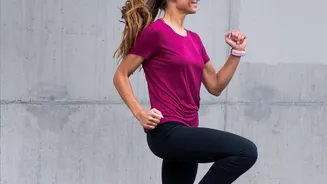
that regular running, even for just 5 to 10 minutes a day, can significantly lower your risk of cardiovascular disease. This form of exercise trains your body to use oxygen more efficiently, which lowers your resting heart rate and blood pressure over time—key indicators of a healthy heart. While Pilates does offer some cardiorespiratory benefits, it doesn't challenge the heart in the same sustained way as a steady-state run or interval sprints. For building stamina and burning a significant number of calories, running remains one of the most accessible and effective options available.
For Core Strength and Posture
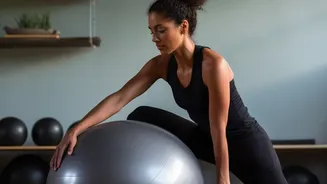
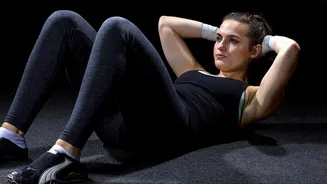
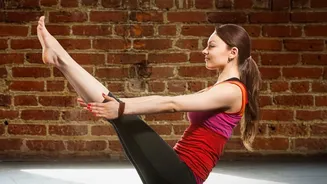
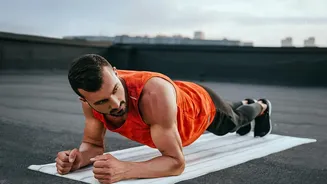
This is where Pilates truly shines. At its core, Pilates is a form of strength training focused on control, stability, and precision. It targets the deep stabilizing muscles of your abdomen, lower back, hips, and glutes—collectively known as your powerhouse or core. A strong core is the foundation of good posture, balance, and efficient movement in all aspects of life. Unlike running, which primarily works the legs in a repetitive motion, Pilates is a full-body workout that promotes balanced muscle development and addresses imbalances that can lead to poor posture and pain. By focusing on controlled, precise movements, Pilates enhances body awareness and muscular control in a way that few other exercises can.
The Question of Injury Risk
Every form of exercise carries some risk, but the nature of these two activities creates different challenges. Running is a high-impact activity, meaning it puts significant stress on your joints, particularly your knees, hips, and ankles. Overuse injuries like runner's knee, shin splints, and IT band syndrome are common, especially if form is poor or training is too aggressive. Pilates, on the other hand, is low-impact and was originally developed as a form of rehabilitation. Its focus on controlled movements and proper alignment makes it much gentler on the joints and is often recommended for injury prevention and recovery. In fact, many runners turn to Pilates to correct the very muscle imbalances that cause common running injuries.
Better Together: A Perfect Partnership
Instead of viewing them as competitors, the smartest approach is to see running and Pilates as complementary partners in a well-rounded fitness routine. Running provides the cardiovascular intensity that Pilates generally lacks, while Pilates builds the core strength, stability, and flexibility needed to be a better, more resilient runner. A strong core, developed through Pilates, keeps your torso stable and upright as you run, improving your form and efficiency so you can run longer with less fatigue. Enhanced flexibility and mobility in the hips and ankles can lead to a more powerful and fluid stride. By strengthening neglected stabilizer muscles and improving body awareness, Pilates can drastically reduce the risk of the overuse injuries that so often sideline runners. In essence, running strengthens your engine, while Pilates reinforces and fine-tunes the chassis.