







Why Festive Seasons Mean Higher Risk
During major festivals like Navratri and Diwali, the demand for key ingredients like khoya (milk solids), paneer, ghee, and edible oils skyrockets. Sweet shops and food businesses require massive quantities to keep up with orders for traditional mithai
and snacks. This immense pressure on the supply chain creates a profitable opportunity for unscrupulous producers. To cut costs and increase volume, some resort to adulteration, mixing pure ingredients with cheaper, often harmful, substitutes. This practice becomes more rampant during festive periods because the high demand can strain legitimate supply lines, making it easier for fake products to enter the market unnoticed.
The Government's Crackdown
In response, the Food Safety and Standards Authority of India (FSSAI) has directed authorities across all states to intensify surveillance and conduct special enforcement drives. These drives specifically target milk and milk products, sweets, edible oils, and other high-demand festive items. Recent operations have already seen significant seizures. In Delhi-NCR alone, officials have seized and destroyed thousands of kilograms of suspected adulterated khoya and paneer. In some instances, paneer samples have tested positive for detergents, while ghee has been found adulterated with chemicals and hydrogenated vegetable oils. The enforcement includes surprise inspections at markets and production hubs, collection of samples for lab testing, and the deployment of 'Food Safety on Wheels' mobile labs for on-the-spot checks.
Common Targets and Their Adulterants
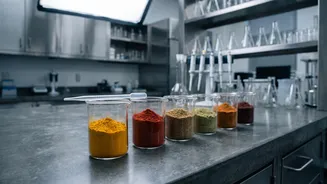
Certain products are more vulnerable to adulteration. Paneer is a primary target, often mixed with starch, synthetic milk, or even detergents to increase its weight and mimic its texture. Ghee and other edible oils may be adulterated with cheaper oils or vanaspati. Sweets can contain non-food grade artificial colours to make them look more appealing and may be decorated with aluminium foil instead of pure silver varak. Khoya, the base for many Indian sweets, is frequently bulked up with starch. These adulterants not only diminish the nutritional value but can pose serious health risks.
How to Spot Adulteration at Home
Consumers can perform simple tests in their own kitchens to check for purity. For paneer, a simple texture test can be revealing; pure paneer is soft and crumbles easily, while adulterated versions may feel rubbery or tough. Dropping a small piece in warm water is another method; real paneer will largely remain intact, whereas fake paneer might start to dissolve. To check for starch, you can boil a piece of paneer or khoya in water, let it cool, and add a few drops of iodine solution. If it turns blue, starch is present. For ghee, melting a teaspoon in a transparent jar and adding a pinch of sugar can reveal vanaspati if the mixture turns red after five minutes.
The Health Cost of Contaminated Food
Consuming adulterated food can lead to a range of health issues, from immediate problems like food poisoning, stomach pain, and digestive distress to more severe long-term consequences. Adulterants like synthetic dyes, detergents, and chemicals can be toxic. Urea, sometimes added to milk to fake protein content, can strain the kidneys. Consuming reused or adulterated oils can lead to increased bad cholesterol, high blood pressure, and a greater risk of heart disease over time. Vulnerable populations, including children and the elderly, are at an even higher risk from these contaminants.