






A New Leader in the Skies
In the first half of 2026, Incheon welcomed approximately 38.4 million international passengers, edging out mainstays like London Heathrow. This achievement is the culmination of a steady climb, with the airport rising from 10th place in 2002 to third
by 2024. This rapid ascent wasn't accidental. It has been fuelled partially by geopolitical shifts that have made some Middle Eastern transit routes less favorable, causing a redirection of traffic. Passengers and airlines are increasingly opting for Asian hubs, with Incheon seeing an 18% increase in transfer passengers, including a staggering 63% surge on European routes.
The Ultimate Passenger Experience
Incheon’s success isn't just about numbers; it's rooted in a relentless focus on the passenger. The airport has consistently won awards for its customer service and operational efficiency, recognized as the world's first to achieve the highest level of customer experience certification from Airports Council International for three straight years. This commitment translates into tangible benefits for travellers. From facial recognition technology creating a passport-free boarding process to AI-powered robots that guide passengers and carry luggage, the entire journey is designed to be seamless. These innovations are paired with amenities that turn the airport into a destination itself, featuring indoor gardens, cultural exhibits, and even a golf course.
More Than People: A Cargo Juggernaut
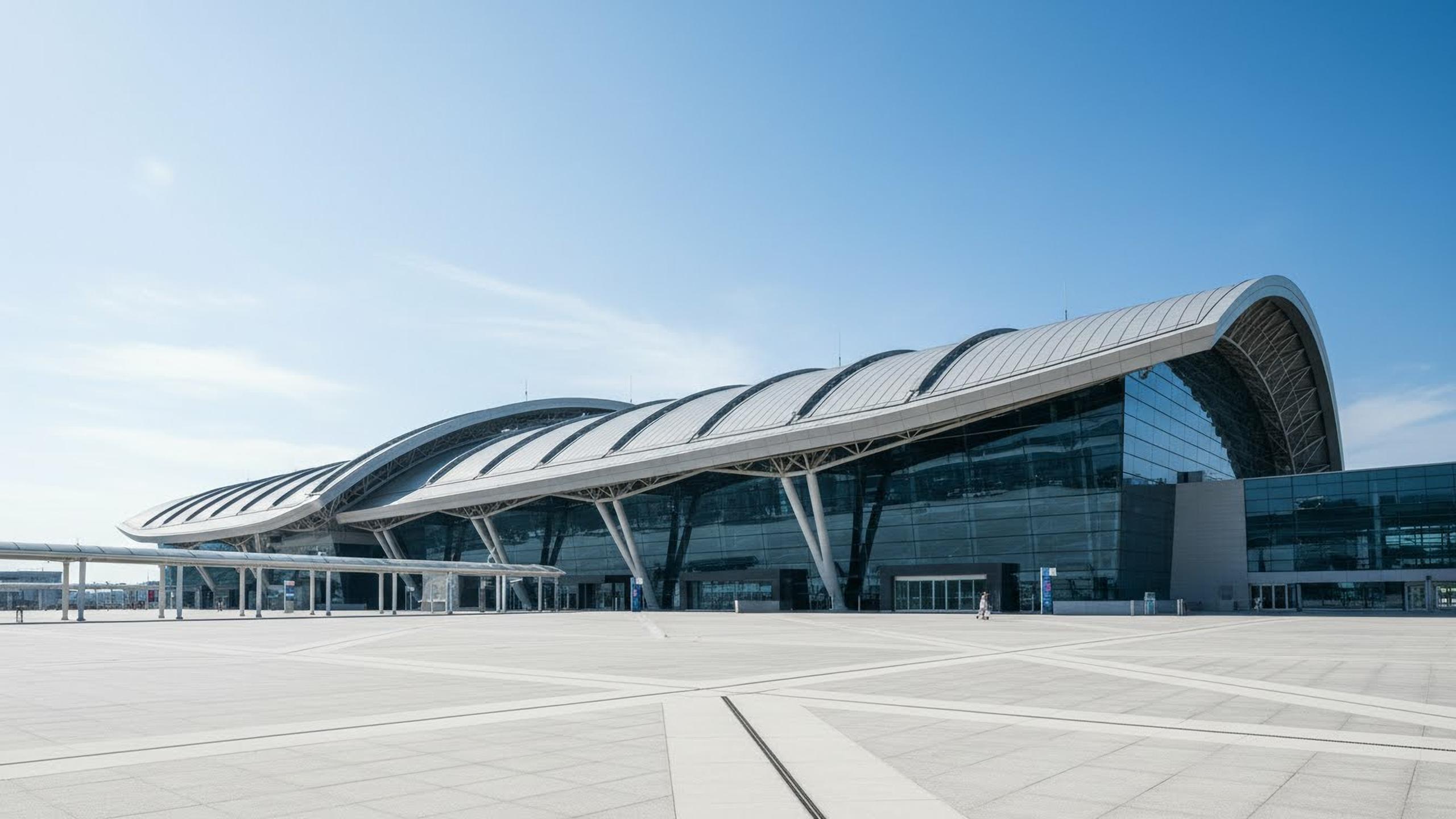
While passenger numbers grab headlines, Incheon's dominance in air cargo is just as critical. The airport has established itself as one of the world's top hubs for freight, particularly high-value transshipment cargo. Its strategic location in Northeast Asia makes it a vital link in global supply chains for electronics, pharmaceuticals, and other time-sensitive goods. A massive fourth-phase expansion, completed in late 2024, boosted Incheon's annual capacity to handle 106 million passengers and over 6 million tons of cargo, signalling a clear intention to dominate both aspects of air transport.
Building the 'Airport City' of the Future
Incheon's vision extends far beyond its terminals. The master plan involves creating a sprawling 'Aerotropolis'—a city built around the airport. This concept integrates business parks, logistics centres, hotels, entertainment complexes, and residential areas, all connected to the global gateway. This strategy transforms the airport from a simple piece of transport infrastructure into an economic engine for the entire region. By becoming a 'real-world testbed' for new technologies in robotics, AI, and sustainable design, Incheon is not just serving the aviation industry but actively shaping its future.
The Great Aviation Shift to the East
Incheon's rise is the most visible evidence of a larger trend: the gradual shift of aviation's centre of gravity towards Asia. For decades, the industry was dominated by European and North American carriers and their hubs. The growth of Middle Eastern hubs marked the first major challenge to this order. Now, airports like Incheon, Singapore's Changi, and others in the region are leveraging geographical advantage, technological innovation, and a superior passenger experience to set new global standards. For travellers from India and across Asia, this means more efficient routes to Europe and North America and a new benchmark for what a world-class travel experience should feel like.