

The Slow Return to a Kitchen Heirloom
For years, the Indian kitchen was a story of speed and convenience, dominated by lightweight non-stick pans that promised easy cooking and even easier cleanup. But a quiet revolution is taking place. Home cooks, chefs, and health-conscious families are
rediscovering cast iron cookware, the trusted workhorse of their grandparents' generation. This shift isn't just about nostalgia; it's a conscious choice. Growing awareness about the synthetic coatings used in some non-stick pans has made consumers wary. The appeal of cast iron lies in its simplicity and durability—it's a single, solid piece of metal without chemical layers that can degrade over time. In a world of disposable products, the idea of a pan that can last for generations, and even be passed down as an heirloom, holds immense appeal.
The Practice of Patience: Understanding Seasoning
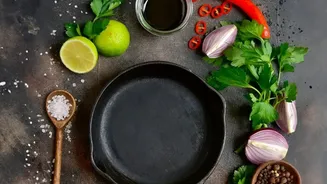
The word 'patience' is central to the cast iron experience, and it begins with seasoning. Unlike a non-stick pan that's ready to use out of the box, a cast iron pan requires a bit of a relationship. Seasoning is the process of baking oil onto the pan, creating a natural, non-stick surface through a process called polymerization. Each time you cook with oil, you are strengthening this layer. This is cast iron’s biggest learning curve. It requires you to unlearn the habits taught by modern cookware. You must heat it slowly, clean it gently, and dry it thoroughly to prevent rust. It sounds like a lot of work, but practitioners describe it as a rewarding ritual. It's a mindful process that connects you to your cooking tool, turning it from an inert object into a partner in the kitchen that improves with every use.
The Science of Superior Flavour
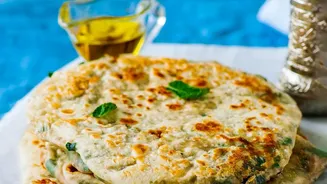
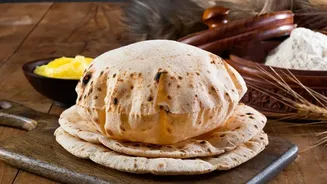
Anyone who has eaten a dosa made on a well-seasoned cast iron tawa will understand the difference. The 'patience' required to heat a cast iron pan is rewarded with unparalleled performance. Cast iron is known for its excellent heat retention and even distribution. It takes longer to heat up, but once hot, it stays hot, eliminating the hot spots that can plague thinner pans. This quality is perfect for many Indian cooking techniques. It allows for the perfect crisp on a dosa or paratha, a deep, flavourful sear on kebabs, and the steady, low simmer needed for rich dals and curries. Furthermore, cooking in cast iron can add trace amounts of dietary iron to your food, a small but noted benefit. The result is food that not only cooks more evenly but often tastes better.
A Simple Guide to Cast Iron Care
Caring for cast iron is simpler than many myths suggest. The cardinal rule is to avoid harsh soaps that can strip the seasoning, especially when the pan is new. After cooking, while the pan is still warm, it's best to clean it with a stiff brush and warm water. For stubborn food, scrubbing with coarse salt can work wonders. The most critical step is drying it completely to prevent rust; this can be done with a towel, followed by a few minutes on a low flame. A final wipe with a thin layer of cooking oil keeps the seasoning intact and ready for the next meal. While acidic foods like tomato-based curries can be cooked in a well-seasoned pan, it's best not to let them sit in the pan for long periods, as this can affect the seasoning.
More Than a Pan, a Connection to Tradition
The return to cast iron is part of a larger movement towards embracing traditional wisdom in India, from food to wellness. It runs parallel to the revival of other traditional materials like brass (pital), bronze (kansa), and clay pots (mitti ke bartan), all of which are being recognised for their unique culinary and health benefits. Using cast iron is a nod to a slower, more sustainable way of life. It connects cooks to the methods and flavours of their parents' and grandparents' kitchens, turning the act of cooking into an experience that is both authentic and mindful. It's a choice that values durability over disposability and flavour over fleeting convenience.