









The Big Idea: Connecting a Nation
Launched in 2016, the Ude Desh ka Aam Nagrik (UDAN) scheme was a landmark initiative aimed at connecting unserved and underserved airports in Tier-2 and Tier-3 cities. The vision was simple but powerful: make air travel affordable and widespread, boosting
economic growth, tourism, and national integration. Airlines were incentivised to operate on these routes through government subsidies and capped airfares, with some seats on a one-hour flight pegged at around ₹2,500. The plan involved building new airports and reviving old airstrips, leading to a significant expansion of India’s aviation map.
The Subsidy Cliff: A Three-Year Itch
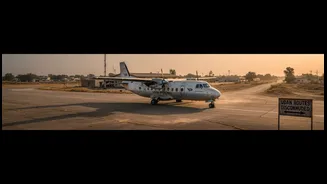
At the heart of the UDAN model is Viability Gap Funding (VGF), a subsidy paid to airlines to cover the shortfall between their operational costs and revenue on these price-sensitive routes. This support, however, was originally designed to last for only three years. The assumption was that by then, a route would have generated enough passenger demand to become commercially self-sufficient. The data tells a different story. Recent reports indicate that nearly 50% of the 669 routes made operational since 2017 are now discontinued. Many airlines found that once the VGF support ended, the routes were simply not profitable, leading to a quiet withdrawal of services.
The Passenger Puzzle: Build It and Will They Come?
The core economic challenge is that many regional routes struggle with low and inconsistent passenger demand. Some routes generate as few as 30-50 passengers daily. For an airline, operating a flight, even a small one, has high fixed costs, including fuel, maintenance, crew salaries, and airport fees. Without a steady stream of travellers, these numbers just don't add up. In a price-sensitive market like India, the moment subsidised fares disappear and prices rise to reflect actual costs, passengers often revert to more affordable alternatives like trains. This makes building a sustainable market a long-term challenge that often extends beyond the initial subsidy period.
Operational Hurdles and Airline Headaches
Beyond passenger numbers, airlines face a host of operational challenges. Many smaller carriers that were key to the scheme's initial rollout have struggled financially or gone bankrupt. Timely airport readiness has been another major hurdle, with airlines receiving permission for routes where the airstrips aren't fully upgraded or compliant, leading to financial burdens. A scarcity of smaller aircraft, as leasing companies remain wary of smaller operators, further constrains growth. Furthermore, for regional routes to be truly viable, they often need seamless connectivity to major hub airports like Delhi and Mumbai, where slots are scarce and expensive.
The Path Forward: A Modified Approach
In response to these challenges, the government has launched a revamped 'Modified UDAN' scheme. Recognising the sustainability issues, this new phase comes with a significantly larger financial outlay and, crucially, extends the Viability Gap Funding period from three years to five. The plan includes developing 100 new airports from unserved airstrips and providing support for operational and maintenance costs at regional aerodromes. This move acknowledges that creating a truly robust regional aviation network is a long-term commitment that requires more than just initial financial support. The hope is that a longer support window will give routes more time to mature and airlines a more stable foundation to build their networks.