







Why Amaranth Is a Breakfast Champion
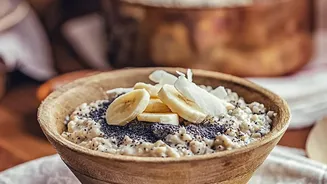
Before we get to the crunch, let's talk about the base. Amaranth is a tiny, gluten-free pseudo-grain that cooks into a creamy, porridge-like consistency with a unique, nutty flavour. It’s a nutritional powerhouse, packed with high-quality protein, fibre,
iron, and magnesium. Unlike many grains, amaranth is a complete protein, containing all nine essential amino acids, which makes it particularly satisfying and beneficial for muscle repair and sustained energy. Its high fibre content also aids digestion and helps keep you feeling full longer, making it an ideal foundation for a breakfast bowl that will carry you through the morning.
The Irresistible Allure of Roasting
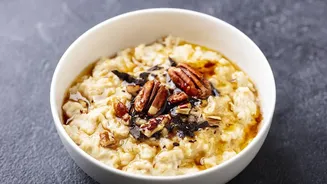
You might be tempted to just throw a handful of raw nuts on your breakfast bowl. While that’s not a bad choice, you'd be missing out on a significant flavour and texture upgrade. Roasting nuts applies gentle heat that releases their natural oils, deepening their flavour from mild and waxy to rich, intense, and aromatic. This process enhances their inherent nutty notes, allowing them to stand up to the sweetness of the dates. The heat also transforms their texture, creating a superior crunch that provides a delightful contrast to the creamy amaranth porridge. Many find that roasting also makes nuts easier to digest.
Choosing the Perfect Nut
Not all nuts are created equal when pairing with the earthy sweetness of amaranth and the caramel notes of dates. Pecans are an excellent choice, as their buttery, slightly sweet profile complements the dates beautifully. Almonds offer a milder, marzipan-like note and a satisfying crunch. Walnuts are a classic for a reason; their earthy, slightly tannic quality provides a wonderful balance to the sweetness. For something a bit different, pistachios can offer a vibrant colour and a more distinct, savoury-sweet flavour. Ultimately, the best choice is a matter of personal preference, so feel free to experiment with your favourites.
Mastering the Roasting Process
Roasting your own nuts is simple, but there's a fine line between perfectly toasted and unfortunately burnt. The oven method is the most reliable for even cooking. Spread your chosen nuts in a single layer on a baking sheet and roast in an oven preheated to around 175°C. The timing will vary depending on the nut—delicate pine nuts might take only 5 minutes, while heartier almonds could need 10-15 minutes. It's crucial to stay watchful; you'll know they're ready when they turn a shade darker and your kitchen fills with a fragrant, toasty aroma. Stir them halfway through for even colour. For a quicker method, you can toast them in a dry skillet over medium-low heat, stirring frequently until fragrant and lightly browned. Once they're done, immediately transfer them from the hot pan or baking sheet to a cool plate to stop the cooking process.
The Critical Importance of Storage
The natural oils that make nuts so delicious also make them prone to going rancid when exposed to heat, light, and oxygen. Rancid nuts have an unpleasant, sharp, and bitter taste that can ruin your breakfast bowl. To keep your freshly roasted nuts at their best, first, let them cool completely. Then, store them in an airtight container, like a glass jar, in a cool, dark place such as a pantry. This is suitable if you plan to use them within a week or two. For longer-term storage, the refrigerator is your best friend, significantly slowing down the oxidation process. You can store most roasted nuts in an airtight container in the fridge for several months. This simple step ensures you have a ready supply of crunchy, flavourful toppings whenever the craving for a perfect amaranth bowl strikes.