






A New Generation of 'Diplomats'
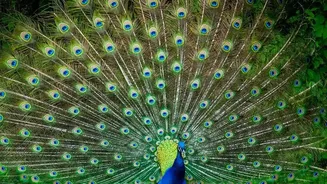
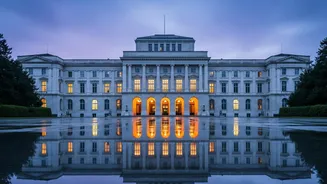
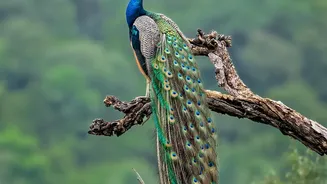
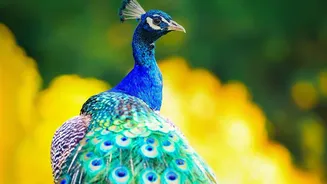
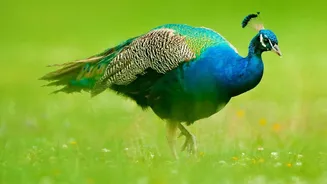
In early August 2026, the leafy grounds of the Palais des Nations in Geneva welcomed five new residents: four classic blue Indian peacocks and one rare white male. Formally handed over by India's Permanent Representative, Arindam Bagchi, to UN Geneva's
Director-General, Tatiana Valovaya, the birds were hailed as a vibrant addition to Ariana Park. The striking blue and white plumage was noted to echo the colours of the United Nations, adding another layer of symbolism to the gesture. These young peacocks will spend about three months in a temporary enclosure to acclimate before they are allowed to roam freely across the 46-hectare park, joining a living tradition that has existed for over a century.
An Echo from the Past
This gift renews a bond established in 1981, when then-Prime Minister Indira Gandhi sent a breeding pair of peacocks from the Delhi Zoo to Geneva. That gesture initiated India's participation in the long-standing tradition of keeping peacocks on the UN grounds. Over the years, the descendants of that original pair graced the park, but their numbers eventually dwindled. This new donation was a strategic move to replenish the peafowl population, which had reportedly shrunk to just a single bird, ensuring the continuation of this unique feature of the Palais des Nations. Ambassador Bagchi noted that India was delighted to be able to continue the tradition it had helped sustain decades earlier.
The Peacock's Enduring Symbolism
The choice of the peacock is deeply significant. As India's national bird since 1963, it is a powerful symbol of grace, beauty, and pride that is woven into the country's cultural and religious fabric. Presenting its national bird is an act of cultural diplomacy, a form of 'soft power' that communicates friendship and partnership far beyond formal treaties. The Indian mission stated that the peacock represents the country's commitment to conserving biodiversity and its enduring partnership with the United Nations. By gifting these birds, India is sharing a piece of its natural heritage and reinforcing its commitment to multilateralism on the world stage.
A Century-Old Tradition at Ariana Park
The presence of peacocks at the UN's Geneva headquarters predates the UN itself, and even its predecessor, the League of Nations. The tradition began in the late 19th century when Swiss collector Gustave Revilliod bequeathed his vast estate, Ariana Park, to the city of Geneva. A key condition of his bequest was that peacocks should always be allowed to roam the grounds freely. Over the decades, the resident peafowl population has been supplemented by donations, including a significant one from a Japanese zoo in 1997. India's latest contribution adds a new chapter to this long and colourful history, ensuring that Revilliod's wish continues to be honoured.