


In a stunning political comeback, Luiz Inácio Lula da Silva has secured a fourth term as Brazil's president. As the world reacts, for India, the result raises a key question: what role did the burgeoning India-Brazil relationship play in his victory?
A Historic and Hard-Fought Victory
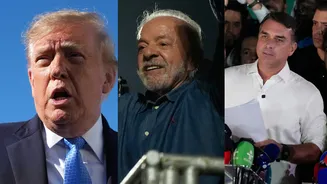
On October 25, 2026, President Luiz Inácio Lula da Silva, known universally as Lula, won a dramatic runoff election against his conservative rival, Flávio Bolsonaro. Lula secured just over 51% of the vote, marking the first time in modern Brazilian history that a candidate who lost the first round of voting went on to win the presidency. The election was largely fought on domestic issues, with voters motivated by deep divisions over the economy, democracy, and public security. While Bolsonaro and his party initially challenged the results, Lula's victory was ultimately acknowledged, averting a larger political crisis.
The 'Global South' Foreign Policy
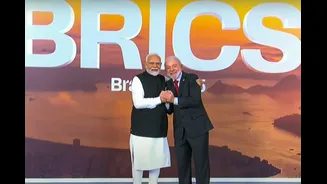
Throughout his term, Lula pursued a foreign policy of 'strategic non-alignment', positioning Brazil as a leading voice for the Global South. This strategy involved strengthening ties with developing nations and advocating for a more multipolar world order. Central to this vision were multilateral forums like BRICS and the G20, where Lula worked closely with counterparts including Indian Prime Minister Narendra Modi. During Brazil's presidency of these groups, Lula championed greater representation for developing countries in global institutions. This approach stood in stark contrast to his opponent, who had entertained withdrawing from BRICS and aligning more closely with the United States.
Deepening Trade and Strategic Ties
The India-Brazil relationship is more than just diplomatic handshakes. Brazil is India's largest trading partner in Latin America, with both nations aiming to push bilateral trade to $30 billion by 2030. The partnership has expanded significantly into strategic sectors. In early 2026, the two countries signed a pact on critical minerals and mining to help meet India's growing demand for steel. Energy is another key pillar, with Brazilian oil major Petrobras renewing supply contracts with Indian refiners. Furthermore, cooperation in defence, pharmaceuticals, and technology has grown, with Brazilian aerospace firm Embraer establishing an India office to explore local production. This economic engagement provided a concrete foundation for the political alliance.
A Pragmatic Partnership of Leaders
The personal rapport between Lula and Prime Minister Modi has been a driving force. Following Lula's re election, Modi referred to him as his 'dear friend' and reiterated his commitment to expanding the strategic partnership. This relationship has flourished despite the leaders' differing political ideologies, built on a pragmatic understanding of shared interests. Both leaders have frequently used their platforms to advance the priorities of the Global South. This consistent, high level engagement, including state visits by Lula to India in February 2026, has solidified trust and momentum, ensuring the bilateral relationship remained a priority.
Did It Sway Brazilian Voters?
For the average Brazilian voter, the state of the economy, crime, and social welfare were far more pressing concerns than the intricacies of foreign relations. The election was primarily a contest between two opposing domestic visions for Brazil. However, Lula's active role on the world stage was not irrelevant. His foreign policy, including the partnership with India, helped craft a narrative of a restored Brazilian leadership and influence. It projected an image of a seasoned statesman capable of navigating a complex geopolitical landscape, which appealed to a segment of the electorate proud of Brazil's international standing. While not a decisive factor, this global stature contributed to his overall profile, contrasting him with an opponent who proposed a more isolationist path.