






Why Pollution Spikes After the Rains
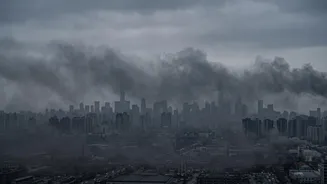
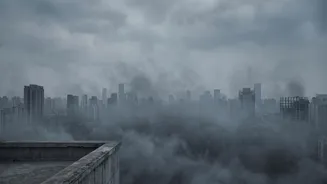
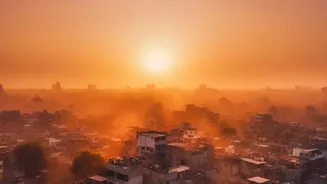
The monsoon season acts as a natural cleaning service for the capital's air. Rain washes away particulate matter, and stronger winds help disperse pollutants. However, once the monsoon withdraws, this cleansing effect disappears. Several factors then
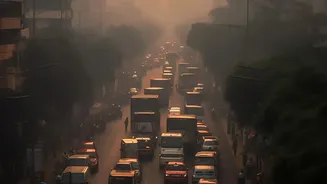
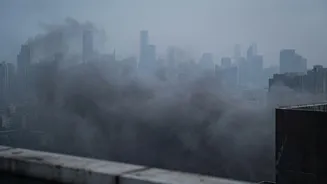
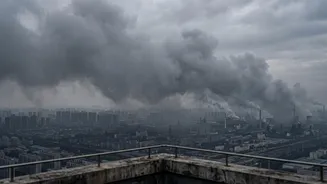
combine to trap pollution. Cooler, calmer weather conditions in October and November lead to temperature inversions, where a layer of warm air sits on top of cooler air, trapping pollutants close to the ground. This is compounded by emissions from vehicles, industry, and construction dust. Furthermore, the agricultural practice of stubble burning in neighbouring states like Punjab and Haryana significantly contributes to the post-monsoon smog, with smoke travelling into the Delhi-NCR region.
Identifying the Most Vulnerable Groups
While poor air quality affects everyone, certain individuals are considered 'sensitive' and face a much higher risk of severe health impacts. This group includes children, whose lungs are still developing and who breathe more air relative to their body size. The elderly are also at high risk, as their lung capacity may be reduced and their immune systems are less robust. Pregnant women and people with pre-existing medical conditions, particularly respiratory illnesses like asthma or cardiovascular disease, are especially susceptible to the harmful effects of smog. For these groups, exposure to high pollution can trigger severe symptoms and worsen their underlying conditions.
The Toll on Your Health
The term 'airway irritation' covers a range of uncomfortable and potentially dangerous symptoms. Short-term exposure to high levels of pollutants like PM2.5 can cause a sore throat, coughing, wheezing, shortness of breath, and irritation in the eyes and nose. For individuals with asthma, this can lead to more frequent and severe attacks. Long-term exposure carries even greater risks, including an increased likelihood of developing chronic respiratory diseases, cardiovascular problems, and other serious health issues. Health experts warn that breathing hazardous air can be equivalent to smoking dozens of cigarettes a day, putting immense stress on the body.
Protecting Yourself Indoors
Your home should be a safe haven from outdoor pollution. Keep windows and doors closed, especially during peak pollution hours in the early morning and late evening. Investing in a high-quality air purifier with a HEPA filter is one of the most effective ways to reduce indoor particulate matter. Regular cleaning with a damp cloth or a vacuum with a HEPA filter can help remove settled dust. It is also wise to avoid sources of indoor pollution, such as burning incense, using chemical air fresheners, and smoking. Certain indoor plants, like snake plants and peace lilies, can also help to naturally purify the air.
Navigating the Outdoors Safely
When you must venture outside, taking precautions is essential. Always check the daily Air Quality Index (AQI) before leaving home. On days with 'Poor' or 'Very Poor' air quality, limit strenuous outdoor activities like running or cycling. If you must be outside, wear a well-fitting N95 or N99 mask, as simple cloth or surgical masks are not effective at filtering out fine pollution particles. Try to travel in closed vehicles rather than on two-wheelers and avoid high-traffic areas where pollution is concentrated. The government's Graded Response Action Plan (GRAP) may also enforce measures like restricting certain vehicles or construction activities based on AQI levels, so staying informed about these alerts is crucial.