



Ever wondered why Kolkata is often called the 'London of India'? This comparison is more than just a casual observation; it is deeply rooted in a shared history of empire, grand ambition, and cultural flourishing that is still visible today.
The Imperial Capital's Grand Design
The story
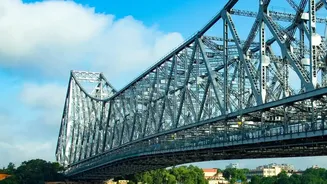
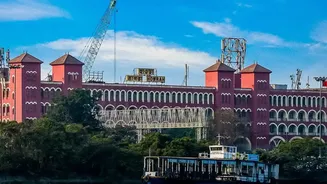
begins when Kolkata, then Calcutta, was the capital of British India from 1772 until 1911. During this era, it was considered the second most important city in the British Empire, surpassed only by London itself. The British developed the city to be their administrative headquarters, a hub for politics, trade, and law designed to project imperial power across the subcontinent. This strategic importance led to urban planning and development that mirrored European capitals, with wide roads, public institutions, and a sense of grandeur intended to establish it as the 'crowning glory' of the British Raj. Much like London on the Thames, Kolkata's development along the Hooghly River was crucial, turning it into a vital port for global trade.
A City of Palaces and Pillars
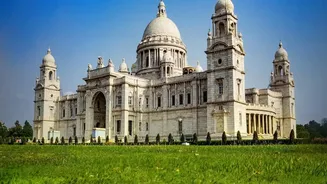
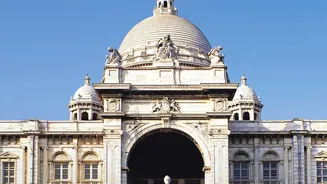
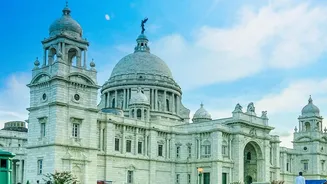
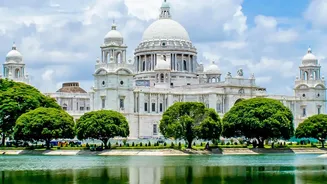
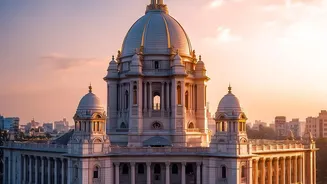
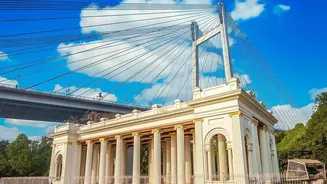
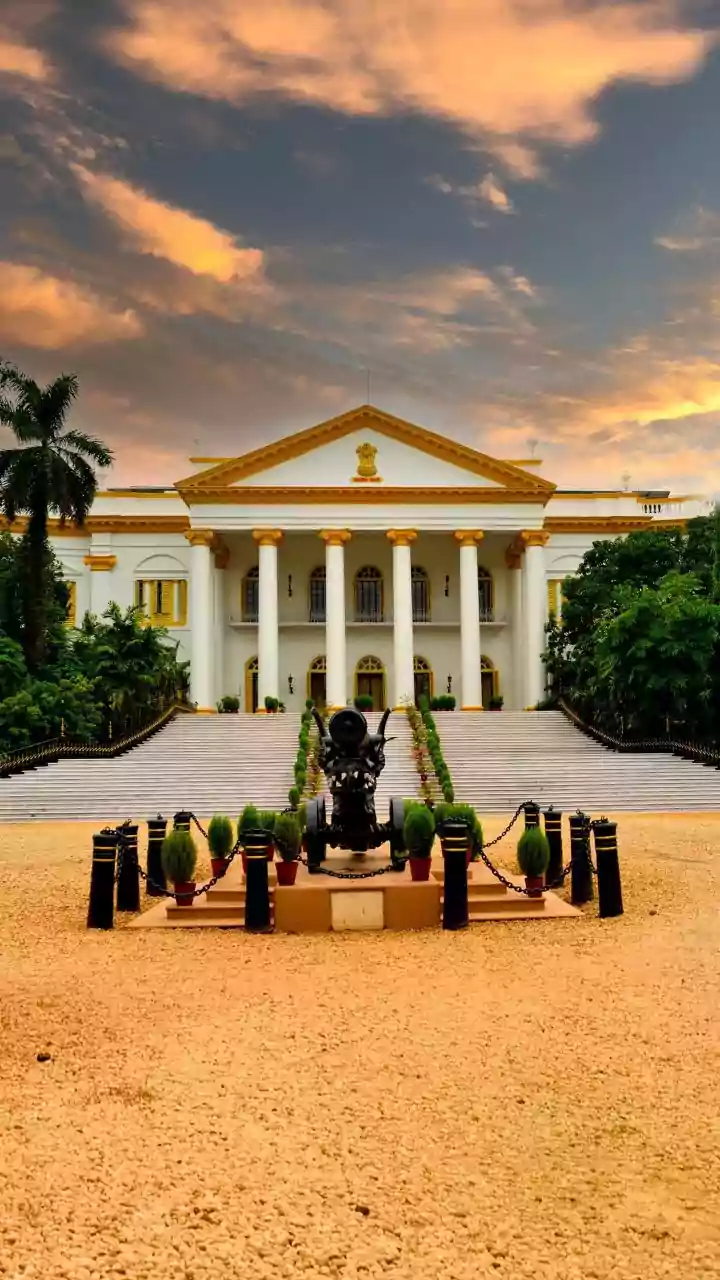
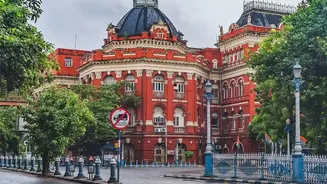
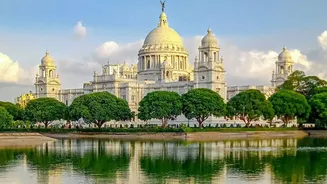
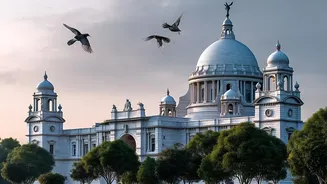
Perhaps the most striking similarity lies in the architecture. Kolkata earned another nickname, 'The City of Palaces', due to the sheer number of grand mansions and public buildings erected during the colonial period. British architects brought with them a variety of European styles, resulting in a cityscape filled with Neoclassical, Gothic, and Victorian masterpieces. Iconic structures like the magnificent Victoria Memorial, a tribute to Queen Victoria, the Gothic-style St. Paul's Cathedral, and the imposing Calcutta High Court were designed to evoke the architectural might of London. Even the Writers' Building, the administrative nerve centre of the East India Company, was built to project an image of British permanence and authority. This blend of styles, often adapted for the Indian climate, created a unique architectural landscape that was undeniably reminiscent of Britain's capital.
The Cradle of a Cultural Renaissance
Beyond bricks and mortar, the comparison extends to the city's intellectual and cultural life. Kolkata became the birthplace of the Bengal Renaissance, a period of profound social, cultural, and artistic awakening. The city flourished as a centre for modern Indian literature, arts, and nationalist thought. Esteemed institutions like the Asiatic Society, Hindu College (later Presidency College), and the Medical College were established, positioning Kolkata as the intellectual capital of the country. This vibrant scene of debate, creativity, and education drew parallels with London's role as a global cultural hub. The famous 'adda' culture, where people gather for intellectual discussions on everything from politics to art, is a living testament to this rich heritage.
Echoes of London in Daily Life
The influence was also woven into the fabric of daily life. Kolkata is home to Asia's oldest operating electric tram system, which was established just after London's and was even managed from London for decades. The horse-drawn trams first appeared in 1873, and the network was electrified in 1902, becoming a defining feature of the city. The passion for sports like cricket and football, along with the establishment of exclusive gentlemen's clubs such as the Bengal Club and the Royal Calcutta Golf Club (the oldest outside the British Isles), further mirrored the social customs of the English elite.
Is the Nickname Still Relevant?
While the historical foundations of the 'London of India' nickname are undeniable, modern Kolkata has forged its own distinct identity. After the capital shifted to Delhi in 1911, the city's trajectory changed. It faced economic stagnation and the social upheaval of Partition, challenges that shaped its post_colonial character. Today,' while many grand colonial buildings still stand as proud reminders of its past,' they exist alongside many dynamic pulse of a uniquely Bengali metropolis.' The city is no longer just a reflection of a European capital but a vibrant,' complex urban centre with a soul all its own.