
Rethinking the Foundation: The Crust
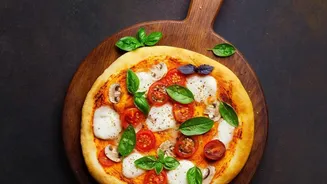
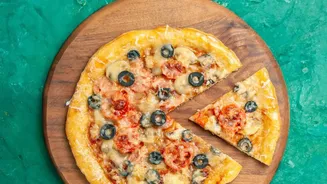
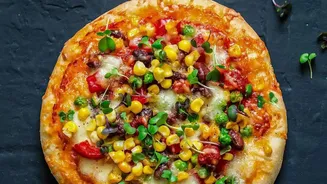
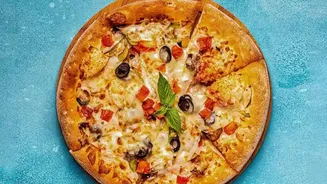
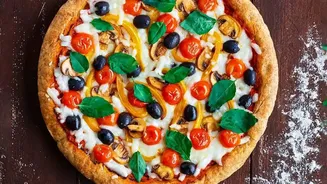
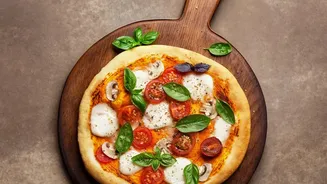
The single biggest opportunity to boost pizza’s protein content lies in the crust. Traditional flour-and-water dough is primarily carbohydrates, but a few clever swaps can fundamentally change its nutritional profile. The current star of this trend is cottage
cheese. When blended until smooth and mixed with flour (all-purpose, almond, or coconut flour all work) and an egg for binding, it creates a surprisingly sturdy and delicious base. This method requires no yeast or rising time, making it a fast option for weeknight dinners. A serving of cottage cheese crust can pack around 14 to 20 grams of protein before any toppings are added. Similar results can be achieved by using plain Greek yogurt or skyr, which also add significant protein and a slight tang, resulting in a crust that's often thinner and crispier. These dairy-based doughs are soft, chewy, and strong enough to hold a generous amount of toppings.
Choosing Your Cheese Wisely
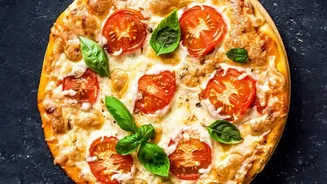
Cheese is already a source of protein, but some choices are better than others. While mozzarella is the classic choice for its meltability, its protein content is solid at around 24 grams per 100 grams. For an extra boost, consider blending part-skim ricotta or even more cottage cheese into your tomato sauce or using it as a white pizza base. Some recipes even incorporate blended cottage cheese directly with shredded mozzarella to create a crispier, protein-enhanced cheese layer. Don't be afraid to mix and match. A blend of standard mozzarella for melt and a harder, aged cheese like Parmesan can add both complex flavour and a little extra protein. The goal is to layer protein sources at every stage, and cheese is an easy place to make a smarter choice.
Toppings That Work Harder
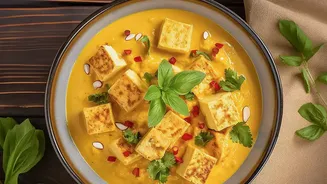
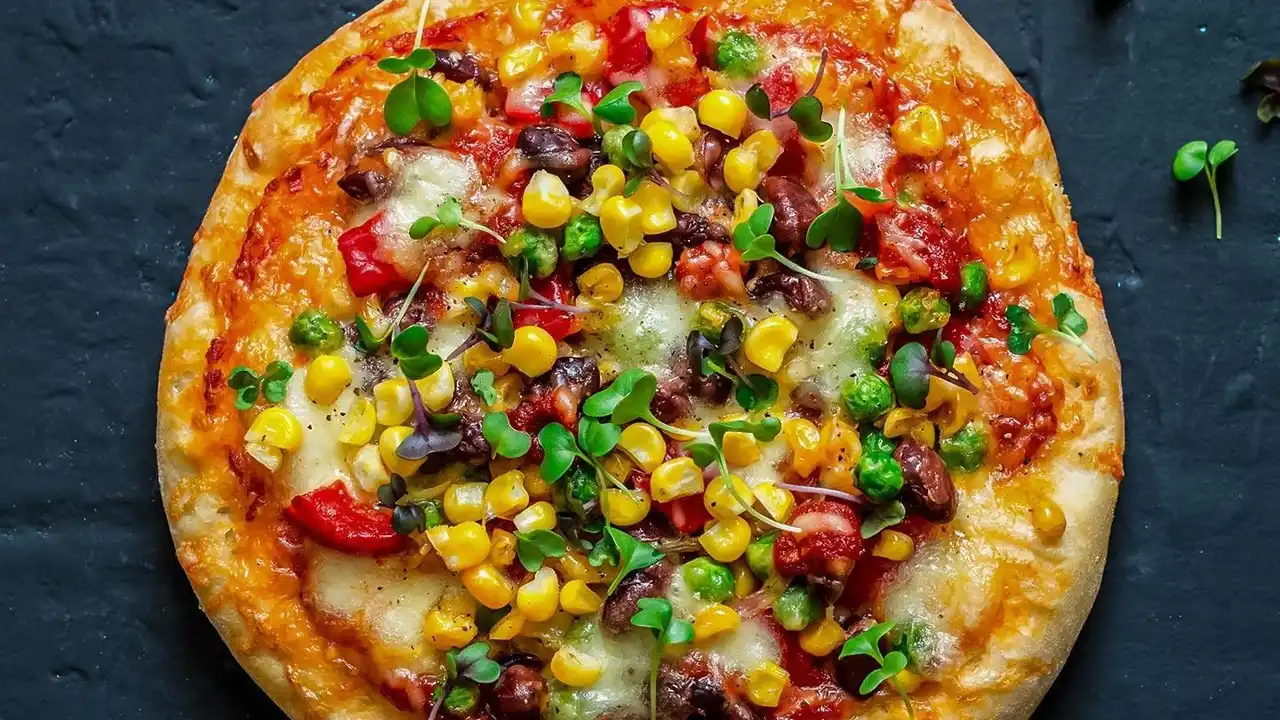
Moving beyond pepperoni opens up a world of high-protein possibilities. Lean meats are an obvious and effective choice. Grilled chicken breast, lean ground turkey, or turkey sausage offer a substantial protein increase with less fat than traditional options. But you don't have to rely on meat. An egg cracked in the center of the pizza before baking becomes a rich, flavourful, and protein-packed addition once cooked. Seafood like shrimp is another excellent, if unconventional, topping that adds significant protein. For plant-based power, consider roasted chickpeas for a crunchy texture, cubes of paneer, or seasoned tofu. These toppings not only boost protein but also add diverse textures and flavours, elevating your pizza from a simple meal to a more gourmet experience.
A Simple High-Protein Blueprint
Ready to try it? Start with a simple blueprint. In a blender, combine one cup of 2% cottage cheese with two eggs and your preferred seasonings, like Italian herbs or garlic powder, and blend until completely smooth. Pour the mixture into a bowl and stir in about a quarter cup of all-purpose or almond flour until a cohesive, sticky dough forms. Spread this batter thinly onto a parchment-lined baking sheet and par-bake it in a hot oven (around 200°C) for about 15 minutes, or until it's set and golden. Once the crust is firm, remove it from the oven, add your sauce, a high-quality cheese blend, and pile on protein-rich toppings like grilled chicken or roasted chickpeas. Return it to the oven to bake until the cheese is melted and bubbly. This basic framework is endlessly customizable and provides a reliable starting point for your experiments.
The Nutritional and Satisfaction Payoff
The primary benefit of a higher-protein meal is its effect on satiety. Protein helps you feel fuller for longer, which can help manage overall calorie intake and reduce cravings. This transforms pizza from a dish that can sometimes leave you feeling sluggish into a balanced meal that provides sustained energy. Adequate protein intake is also crucial for maintaining and building muscle, supporting immune function, and promoting tissue repair throughout the body. By making these simple swaps, you’re not just creating a 'healthy pizza'; you're engineering a more nutritionally complete meal that better supports your body's daily needs without feeling like a compromise.