

The Anatomy of a Perfect Bite
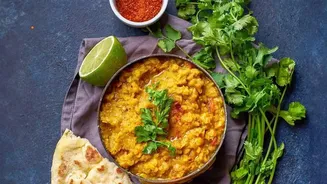
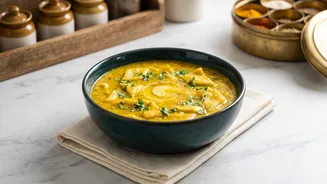
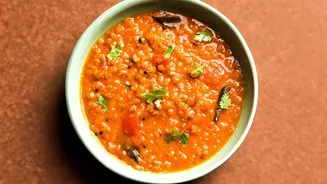
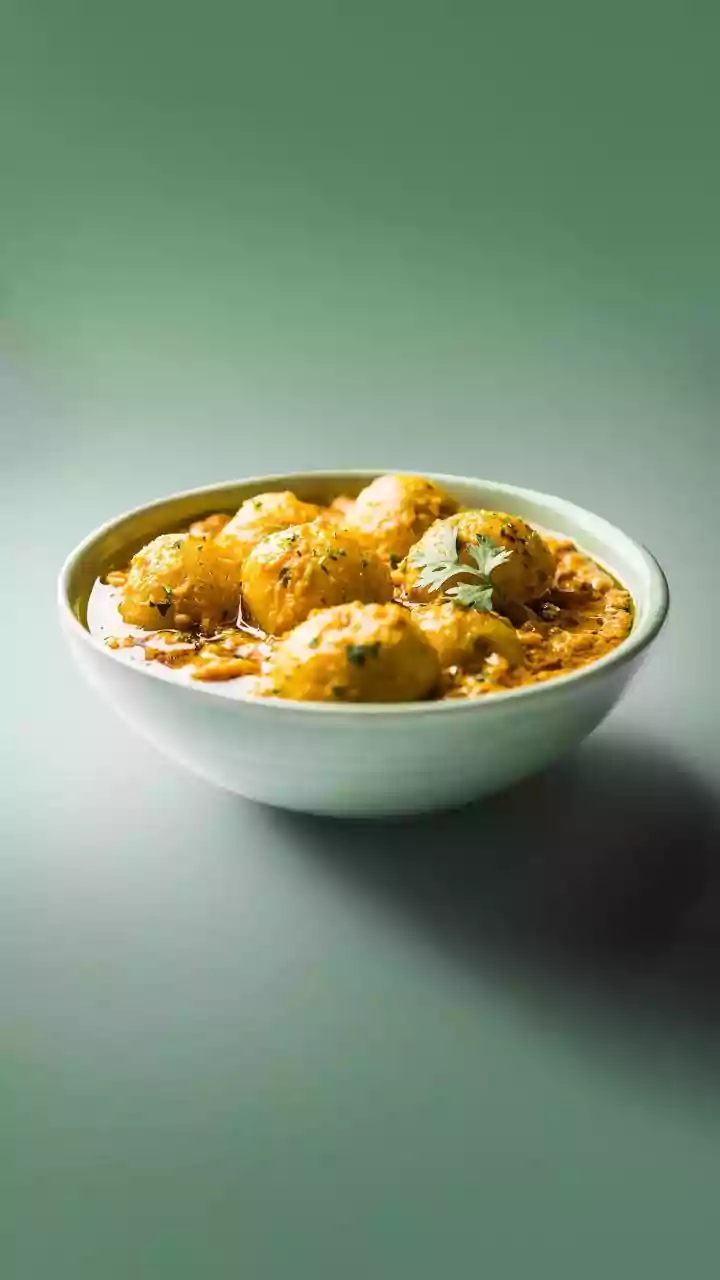
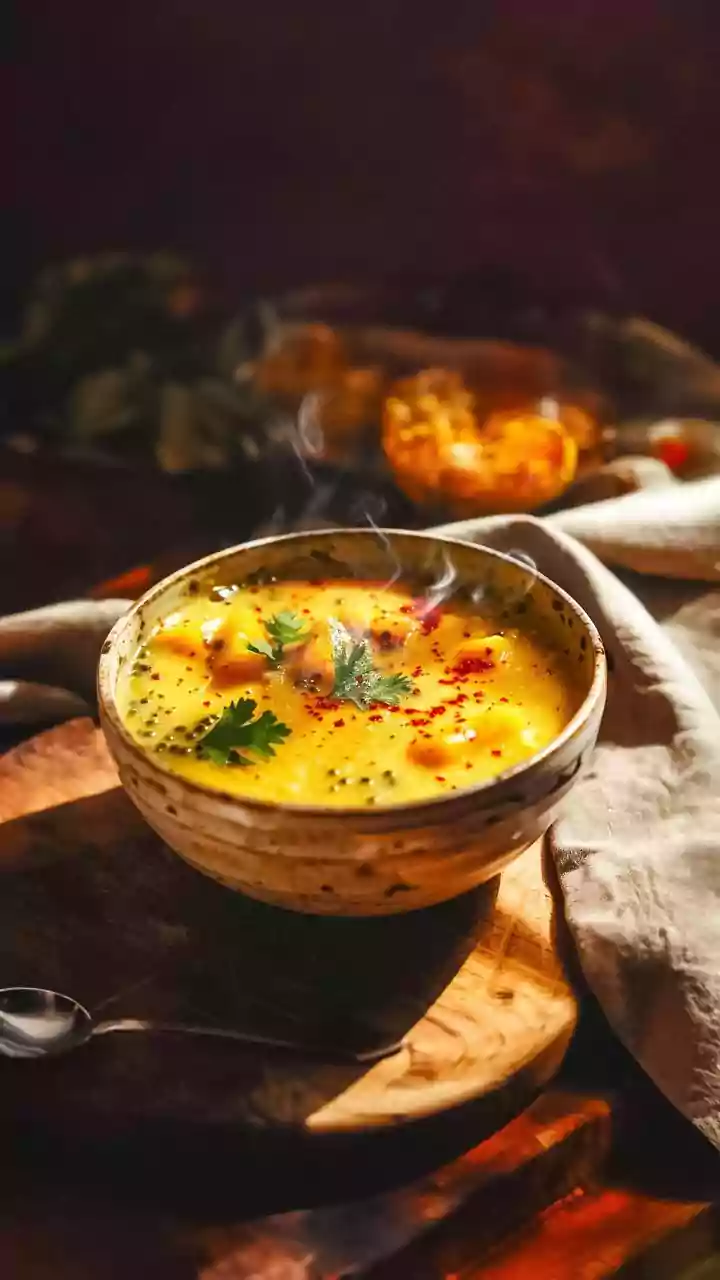
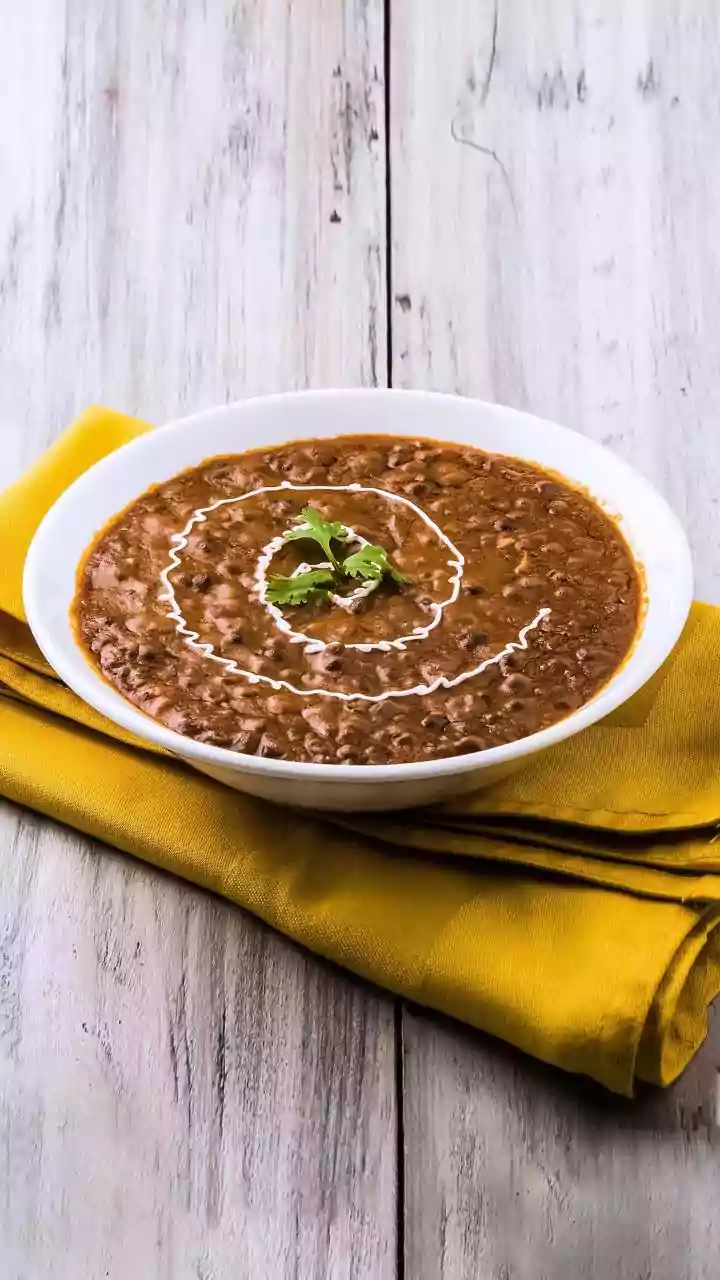
At its core, Dal Dhokli is a simple yet brilliant concept: whole wheat flour dumplings are gently simmered in a flavourful lentil stew. The dish comprises two key components. First is the dal, typically made from toor dal (split pigeon peas), which is pressure-cooked
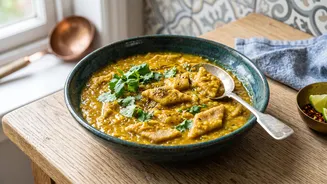
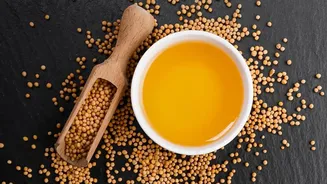
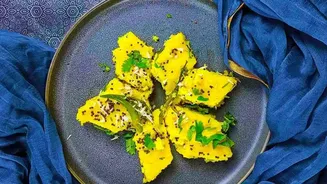
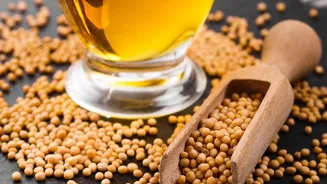
until soft and then transformed into a soupy stew. This isn't just any lentil soup; it's a hallmark of Gujarati cuisine, characterized by a delicate balance of sweet, sour, and spicy notes. This is often achieved with jaggery for sweetness, tamarind or kokum for tang, and a tempering of spices like mustard seeds, cumin, and asafoetida. The second component is the dhokli, which are essentially fresh, homemade pasta-like pieces. A firm dough is made from whole wheat flour (atta), sometimes with a little gram flour (besan) for softness, and seasoned with turmeric, chili powder, and carom seeds (ajwain). This dough is rolled thin and cut into diamond or square shapes before being dropped into the simmering dal to cook.
The Culinary Mechanism at Work
The true genius of Dal Dhokli—its 'underlying mechanism'—is how these two elements interact. As the dhokli cook directly in the dal, they absorb all the complex flavours of the stew, becoming tender and succulent. Simultaneously, the starch from the wheat flour thickens the dal, giving it a rich, gravy-like consistency that coats every piece. This one-pot method is incredibly efficient, creating a complete meal that harmoniously blends carbohydrates and plant-based protein. It’s a balanced bowl that provides complex carbs, dietary fibre, and protein, making it a wholesome and satisfying meal. The textural contrast is equally important; the soft, almost silky dhokli provide a delightful counterpoint to the creamy dal and the occasional crunch of added peanuts. It's a dish that feels both nourishing and deeply comforting.
A Dish Steeped in Tradition
Dal Dhokli is more than just a recipe; it's a cornerstone of Gujarati home cooking and hospitality. While popular across western India, with similar versions in Rajasthan and Maharashtra known as 'Varan Phal', it is quintessentially Gujarati. For many families, it is a beloved Sunday meal, a dish that brings everyone to the table. Its origins are rooted in practicality and resourcefulness. Traditionally, it was a clever way to use leftover dal and chapati dough, transforming yesterday's staples into a new, exciting meal. This ability to create something substantial and delicious from humble ingredients is a defining characteristic of the region's culinary sensibility. Its role as comfort food is undeniable, often prepared for those recovering from illness because it is light, filling, and easy to digest.
The Flavour Profile of Gujarat
To understand Dal Dhokli is to understand the soul of Gujarati food. The cuisine is renowned for its unique ability to balance multiple flavours in a single dish. Unlike many other Indian cuisines that might focus primarily on spice, Gujarati cooking masterfully layers sweet, salty, sour, and spicy notes. The use of jaggery or sugar is not an afterthought but a crucial component that balances the acidity from tamarind or lemon, while chillies provide a gentle, warming heat rather than a fiery punch. This intricate flavour architecture is on full display in Dal Dhokli, making it a perfect introduction for anyone new to the subtleties of this predominantly vegetarian food culture. It's a dish that doesn’t shout for attention but rather invites you in with its warm, complex, and deeply satisfying character.