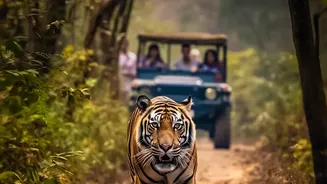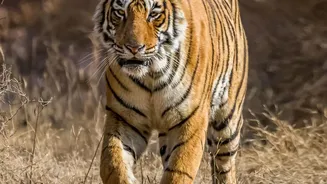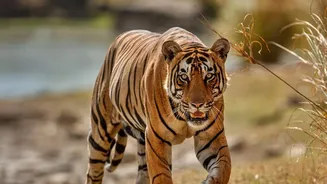





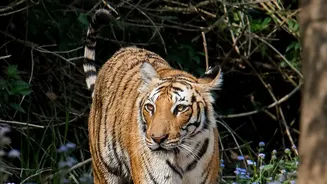

A Conservation Triumph
The latest national survey, announced on Global Tiger Day 2026, revealed the tiger population has climbed from 355 in 2022 to an estimated 429. This continues a remarkable upward trend from a low of just 121 tigers in 2010. Nepal has become a global model
for wildlife protection, having already met and surpassed the international 'TX2' goal, a 2010 pledge by 13 tiger-range countries to double their collective wild tiger population by 2022. The growth is a testament to decades of concerted effort. The government, conservation groups, and local communities have worked together to restore habitats, manage prey populations, and conduct effective anti-poaching patrols.
The Power of Community
A key ingredient in Nepal’s success is the empowerment of local communities. The government has handed over large tracts of forest for local management. This has fostered a sense of ownership and led to the creation of more than 400 Community-Based Anti-Poaching Units (CBAPUs) across the country. These volunteer groups, often comprised of local youths, patrol critical areas, gather intelligence on illegal activities, and raise conservation awareness. By providing local people with a stake in conservation, and in some cases alternative livelihood training, the initiatives have turned former poachers into protectors and created a powerful grassroots defense against the illegal wildlife trade.
The Uncomfortable Reality of Success
But as tiger numbers grow, so does the competition for space. Nepal's protected areas are reaching their carrying capacity; some estimates suggest the forests can sustainably support around 400 tigers, a number the population has now surpassed. This is pushing the big cats out of the core national parks and into the buffer zones and corridors where people live and farm. The result is a sharp and tragic increase in human-tiger conflict. Over the last eight fiscal years, tiger attacks have killed 85 people in Nepal. In the past year alone, at least 10 people have been killed in tiger attacks. For communities on the edge of these parks, the return of the tiger is not just a conservation success, but a source of daily fear and significant economic hardship from lost livestock.
Living With the Predator Next Door
The friction is most palpable in the Terai Arc Landscape, a vast stretch of forests and grasslands along the border with India that is a critical habitat for tigers, rhinos, and elephants. Here, the comeback of wildlife is colliding with a dense human population that relies on the same resources. In areas around Bardiya National Park, for example, 18 people were killed and 10 were injured by tigers between 2019 and 2023, with nearly 200 livestock depredation incidents over five years. While Bardiya was the only park to see a slight decline in its tiger numbers in the latest census, the concentration of conflict there highlights the intense pressure on the landscape.
The Search for Balance
Finding a way for humans and tigers to coexist is now the single most critical challenge for conservation in Nepal. Authorities are implementing a range of strategies to mitigate the conflict. These include constructing predator-proof livestock corrals, improving compensation schemes for villagers who lose animals, and deploying trained response teams to manage or relocate 'problem' tigers. Awareness programs aim to teach people how to stay safe in tiger country. Ultimately, long-term success will depend on securing and expanding wildlife corridors that give tigers the space they need to roam without coming into contact with human settlements.