


A Consistent and Troubling Pattern
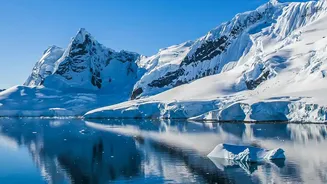
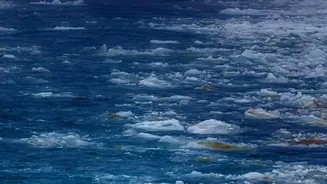
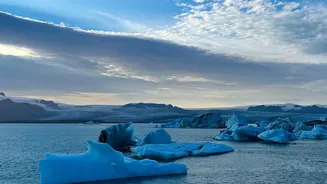
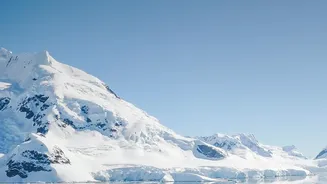
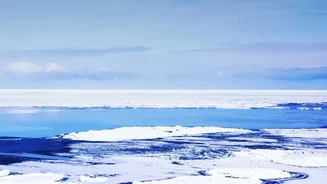
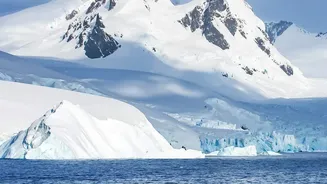
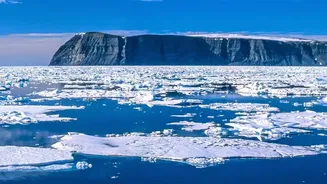
Scientists have confirmed that the winter sea ice maximum in Antarctica has reached its third-lowest level since satellite records began in 1979. This marks the fourth year in a row that the continent's sea ice has registered among its lowest levels on record.
This year, the ice peaked on September 14 at 17.59 million square kilometres, which is roughly one million square kilometres short of the long-term average. That's an area of missing ice almost twice the size of Spain. Before 2016, Antarctic sea ice was actually showing a slight increasing trend, which baffled scientists in a warming world. However, that trend has now sharply reversed, with a sudden and persistent decline that suggests a fundamental shift in the Antarctic system.
Why Is This Happening?
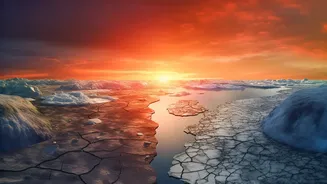
There isn't one single cause, but a combination of factors is believed to be driving this rapid decline. One leading theory is that warmer ocean water from deeper layers is being mixed with the surface water where ice normally forms. Stronger winds, potentially linked to broader climate patterns like El Niño, are helping to churn the ocean and bring this warmer, saltier water upwards, melting the ice from below. This creates a feedback loop: less ice means the dark ocean absorbs more sunlight instead of reflecting it, which further warms the water and makes it even harder for new ice to form. Scientists are now urgently trying to understand if this is a temporary blip or a permanent 'regime shift' to a new, low-ice state for Antarctica.
Not the Same as the Arctic
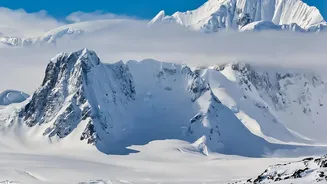
It's important to understand that the Arctic and Antarctic are geographical opposites. The Arctic is an ocean surrounded by land, while Antarctica is a massive land continent surrounded by an ocean. This fundamental difference means their ice behaves differently. Arctic sea ice has been in a steep, well-documented decline for decades, a clear signal of global warming. For a long time, Antarctic ice seemed more stable and even grew slightly. Because Antarctic sea ice forms in the open ocean, it is more mobile and has historically shown more year-to-year variability. However, the recent string of record-low years suggests that the relative stability it once enjoyed may be over, and it could be starting to follow its northern counterpart.
Global Consequences from a Local Meltdown
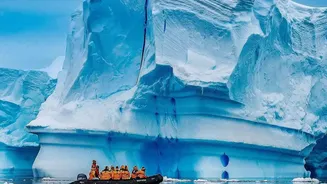
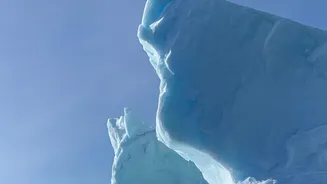
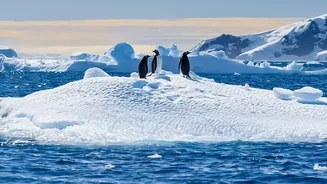
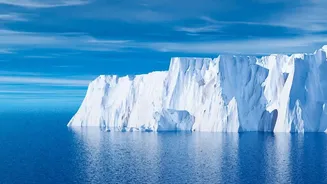
Though the melt is happening thousands of kilometres away, its effects are global. Sea ice acts as a protective barrier for the massive ice shelves that fringe the Antarctic continent. Without this buffer, these shelves are exposed to powerful ocean waves that can weaken them and cause large chunks to break off as icebergs. These ice shelves act like a cork in a bottle, holding back the flow of glaciers from the continent's interior. If they weaken, it can accelerate the flow of land-based ice into the ocean, directly contributing to a rise in global sea levels, which poses a threat to coastal communities everywhere, including in India. The decline also has severe consequences for the local ecosystem. Species like krill, which are a cornerstone of the Antarctic food web, rely on sea ice for shelter and food. Their decline affects everything from penguins and seals to large whales.