

Understanding the Essence of Chhath
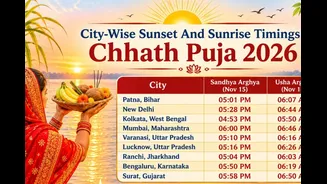
Chhath Puja is a four-day festival dedicated to the Sun God, Surya, and his sister, Chhathi Maiya. It is observed primarily in Bihar, Jharkhand, and Eastern Uttar Pradesh. Unlike many Hindu festivals, it involves no idols. The core of the ritual is the offering
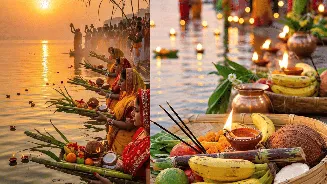
of 'arghya'—prayers and offerings—to the setting and rising sun, performed by devotees, known as 'vratis', standing in a river or water body. This act of gratitude for the sun's energy makes for a profoundly moving spectacle. The festival for 2026 runs from November 13 to November 16, with the main rituals of Sandhya Arghya (evening offering) on November 15 and Usha Arghya (morning offering) on November 16.
Patna: The Epicentre of Celebrations
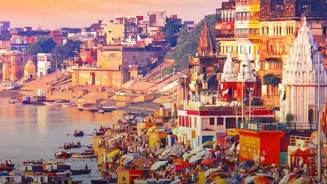
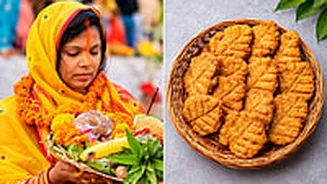
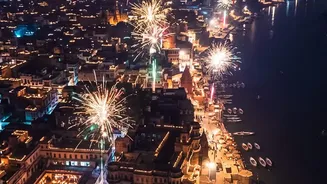
Patna, the capital of Bihar, is arguably the best place to witness Chhath on a grand scale. The city's dozens of ghats along the Ganga River transform into a single, continuous site of worship. Key ghats like Gandhi Ghat, Collectorate Ghat, and Digha Ghat become major focal points, drawing immense crowds. Gandhi Ghat, near the NIT campus, is known for its organised setup and beautiful evening Ganga Aarti. Collectorate Ghat is spacious and often hosts cultural programmes, while the stretch near the Digha-Sonpur bridge accommodates vast numbers of families from western Patna. For a visitor, the experience is an overwhelming symphony of devotional songs, shimmering oil lamps, and families arranging their bamboo baskets ('soops') filled with 'thekua' (a traditional sweet), sugarcane, and seasonal fruits.
Kolkata: A Confluence of Cultures
In Kolkata, Chhath Puja showcases how traditions travel with communities. Celebrated largely by families with roots in Bihar and Uttar Pradesh, the festival unfolds along the Hooghly river and at numerous purpose-built ponds across the city. Babughat (also called Baje Kadamtala Ghat) near B.B.D. Bagh is the most well-known site, offering a grand colonial-era backdrop to the rituals. Other notable ghats on the Hooghly include Bagbazar Ghat and Doi Ghat. Due to environmental regulations, the city's large lakes, Rabindra Sarobar and Subhas Sarobar, are closed to rituals, so authorities prepare over a hundred temporary and permanent ghats to accommodate devotees. This distributed approach gives the festival a more neighbourhood-focused feel compared to Patna's sprawling riverfront celebration.
Beyond the Metros: Finding Local Charm
While big cities offer scale, experiencing Chhath in smaller towns can be more intimate. In Bihar, the holy town of Gaya sees thousands gather at Sun Ghat on the Phalgu River, creating a serene and mesmerising atmosphere. In Jharkhand and Eastern Uttar Pradesh, countless local ponds and smaller rivers become centres of devotion. Visiting these less-crowded locations allows for a closer observation of the rituals and a deeper sense of community connection. The sounds of folk songs, the sight of families preparing their offerings, and the shared sense of devotion are universal, offering a powerful cultural experience wherever you choose to go.
A Guide for the First-Time Visitor
Experiencing Chhath as a tourist requires respect and awareness. Always ask for permission before taking photographs of devotees, as this is a deeply personal act of worship. It is best to watch from the upper steps or embankments, leaving the water's edge for the families performing the rituals. Wear comfortable footwear, as you will likely do a lot of walking; vehicle access near popular ghats is heavily restricted on the main days. Booking travel and accommodation well in advance is crucial, as this is a major period for homecoming travel in the region. Finally, embrace the atmosphere. Listen to the music, observe the traditions, and accept the 'prasad' if offered—it’s a gesture of inclusion into one of India's most heartfelt celebrations.