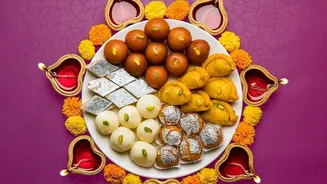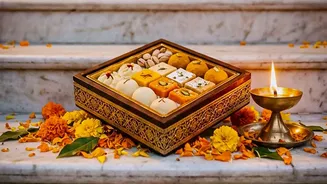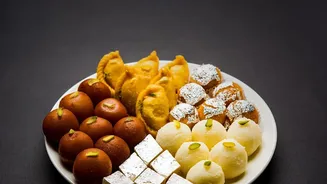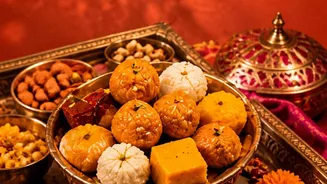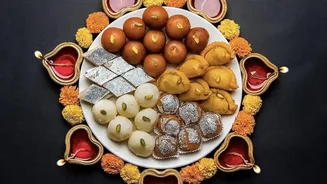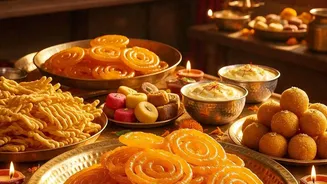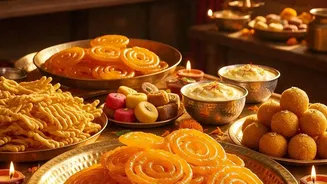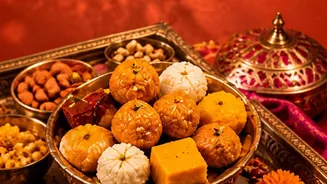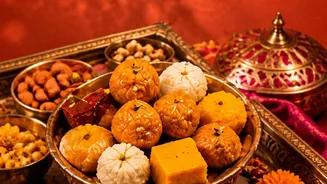





Diwali is synonymous with light, joy, and an abundance of mithai. But with every offering of a glistening laddoo or a decadent barfi comes a familiar question: how to enjoy these festive treats without feeling sluggish or guilty?
Understanding Your Favourite Mithai
Laddoos, barfis, and other
traditional Diwali sweets are an integral part of the celebration. They are typically energy-dense, made from ingredients like milk solids, ghee, sugar, nuts, and flour. While these provide a quick burst of energy, their high sugar and fat content is what calls for a mindful approach. Traditional preparations using ghee and jaggery can be more nutritious than modern versions that use vegetable oils and refined sugar. Ghee contains healthy fats, while jaggery retains minerals like iron and magnesium that are absent in refined sugar.
Timing Is Everything: When to Indulge
Most nutrition experts agree that the best time to eat sweets is not on an empty stomach. Consuming a sugary item first thing can cause a rapid spike in your blood sugar because there is nothing else to slow down its absorption. This is often followed by a crash, leaving you feeling tired and craving more sugar. A better time is after a balanced meal, particularly lunch. Your body is more active in the afternoon and can use the sugar for energy. Some Ayurvedic principles, however, suggest having a small sweet taste at the beginning of a meal to stimulate digestive enzymes, though this refers to a small portion, not an entire dessert.
The Golden Rule: Never on an Empty Stomach
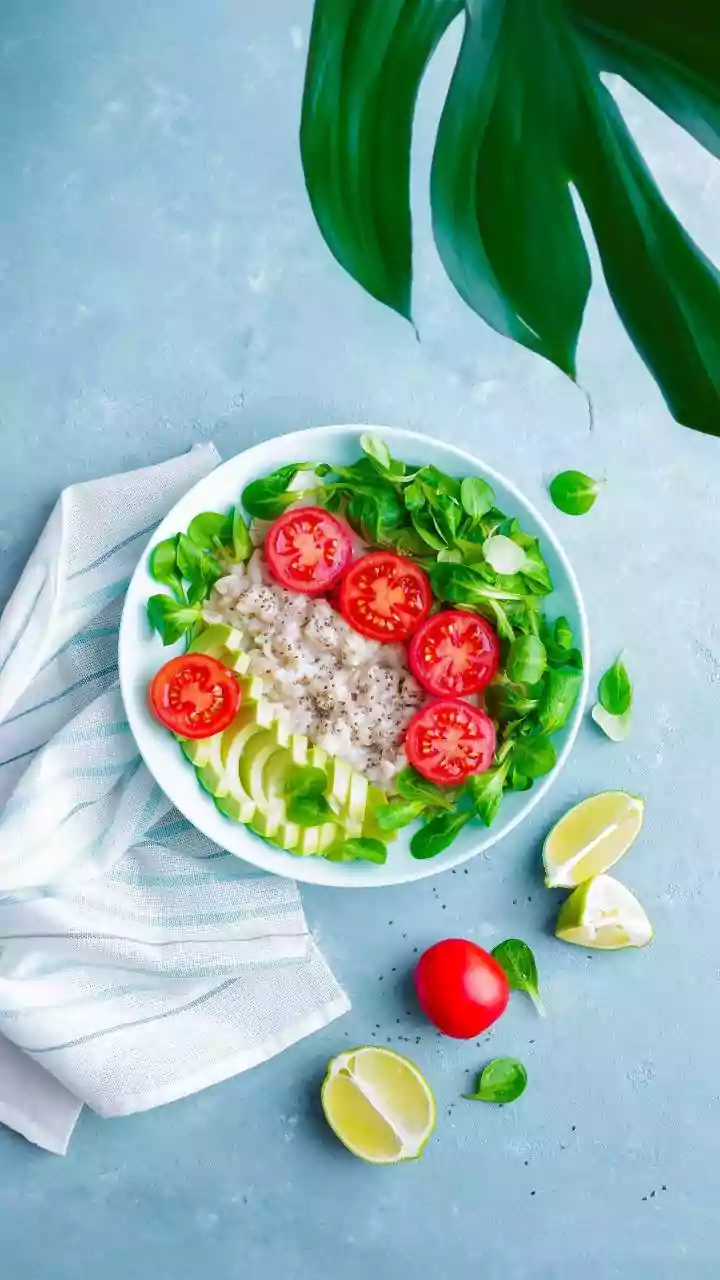
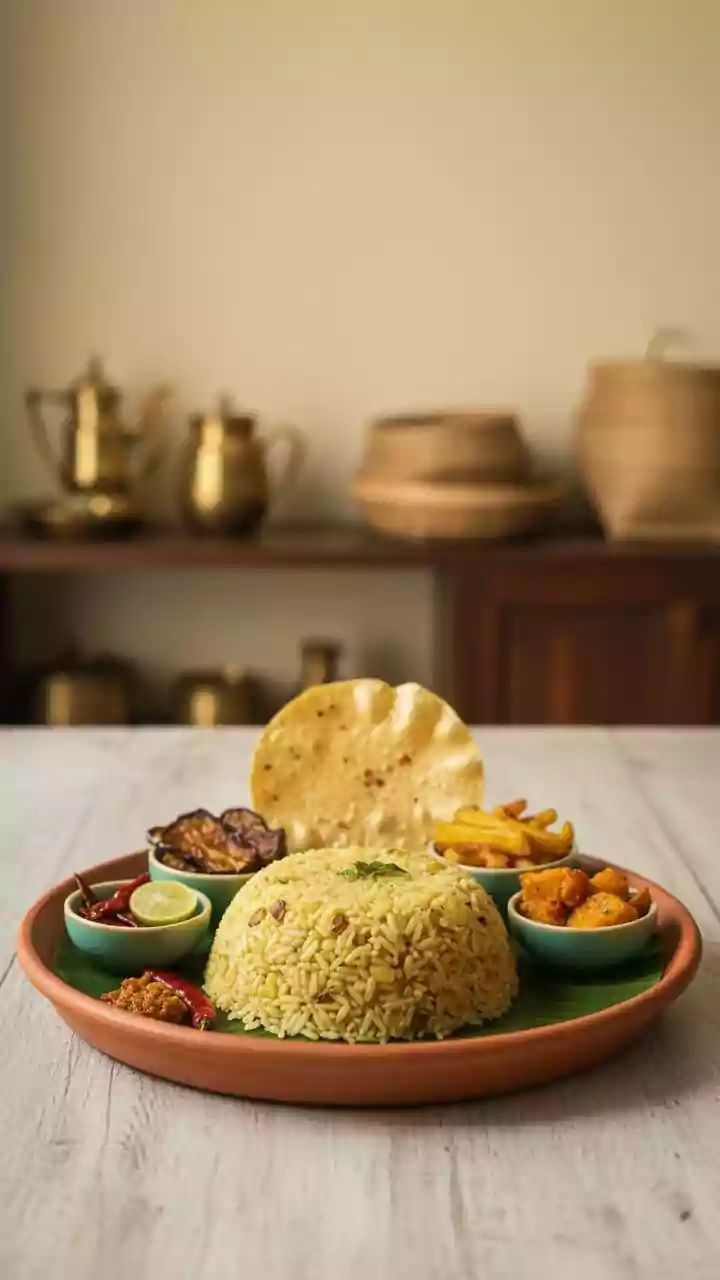
Eating sweets after a meal that includes protein, fibre, and healthy fats helps slow the absorption of sugar into the bloodstream. The other foods in your stomach act as a buffer, leading to a more gradual rise in blood glucose levels and preventing that sharp spike and subsequent crash. This also helps with satiety; when you eat dessert after a full meal, you are more likely to feel satisfied with a smaller portion. So, before you reach for that piece of barfi, make sure you've had a proper meal containing vegetables, dals, or lean proteins.
Pairing Sweets the Smart Way
What you eat your mithai with matters. Pairing sweets with a source of protein or fibre can further help stabilize blood sugar. Consider having a handful of nuts like almonds or walnuts alongside your laddoo. The protein and healthy fats in the nuts will slow down digestion and sugar absorption. Another strategy is to follow up your sweet treat with a short walk. Physical activity helps your muscles use the sugar from your bloodstream for energy, which can help lower blood sugar levels.
Practicing Mindful Indulgence
Diwali is a time for enjoyment, not restriction. The key is to be mindful. Instead of eating sweets mindlessly from the box, take one piece, place it on a plate, and sit down to savour it. Pay attention to the flavours and textures. Often, one or two pieces are enough to satisfy a craving when you eat them slowly and with intention. It can also be helpful to wait 15–20 minutes after your meal before having dessert. It takes time for your brain to register that you are full, and this pause might help you realize you are satisfied without needing a sweet.
Making Healthier Choices at Home
If you are preparing sweets at home, you have more control over the ingredients. Consider swapping refined sugar for natural sweeteners like jaggery or dates, which add minerals and fibre. Using whole–grain flours like chickpea flour (besan) or finger millet flour (ragi) instead of refined flour (maida) can also boost the nutritional profile by adding protein and fibre. Incorporating plenty of nuts and seeds adds healthy fats, protein, and a satisfying crunch.