





What Are E10 and E20?
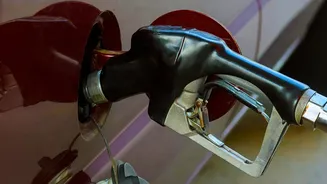
Before diving into the policy, it's essential to understand the basics. The 'E' in E10 and E20 stands for ethanol, a biofuel typically produced from agricultural sources like sugarcane and maize. E10 is a blend of 10% ethanol and 90% petrol, which was
the standard across India for several years. E20, as the name suggests, is a mix of 20% ethanol and 80% petrol. India has been progressively increasing the ethanol content in its fuel as part of a broader national strategy to reduce dependence on imported crude oil, lower carbon emissions, and boost the rural economy by providing an additional revenue stream for farmers. The move to E20 is a significant step in this long-term plan.
India's Official Blending Roadmap
The government's policy is clear and ambitious: make E20 the standard petrol available nationwide. India has been remarkably successful in this mission, achieving the 20% blending target in 2025-26, a full five years ahead of its original 2030 deadline. This rapid transition was a deliberate effort to accelerate the benefits of the Ethanol Blended Petrol (EBP) Programme, which include significant foreign exchange savings and environmental gains. Officials have repeatedly stated the plan is not just to stop at E20, but to explore even higher blends like E25 and E85 in the future, further solidifying the country's commitment to biofuels.
The Source of the Recent Confusion
So, if the E20 plan is on track, why the sudden reports about E10 making a comeback? The confusion appears to stem from ongoing discussions about the impact of E20 fuel on older vehicles—specifically those manufactured before 2023, which were not originally designed to be fully E20-compliant. In response to concerns from some consumers about reduced mileage and potential engine wear in these older cars and bikes, some officials and experts floated the idea of reintroducing E10 as an optional, parallel fuel choice. This was misinterpreted by some as a plan to replace E20 entirely. The debate was never about rolling back the E20 mandate, but about whether a lower-blend option could be provided for legacy vehicles.
Officials Set the Record Straight
In response to the misleading reports, both government ministers and oil marketing companies (OMCs) have issued firm clarifications. Bharat Petroleum Corporation Ltd (BPCL) explicitly stated that there is no proposal to replace E20 with E10, noting that any commentary suggesting otherwise was a misinterpretation. The company's chairman clarified that while the logistical challenges of offering E10 as an additional fuel grade for older vehicles were being debated, this was separate from the nationwide E20 policy. Union Petroleum Minister Hardeep Singh Puri has also dismissed claims against E20, calling the concerns a "misrepresentation" and confirming that the fuel has been widely tested and is safe for compatible vehicles. Officials have stressed that large-scale field experience has not shown evidence of widespread engine damage.
What This Means for Vehicle Owners
For the vast majority of vehicle owners, nothing changes. E20 remains the standard petrol across India. If you own a vehicle manufactured after April 2023, it is designed to be E20-compliant. For owners of older vehicles, automakers and the government have stated that E20 can be used, though some have acknowledged a potential marginal drop in fuel efficiency of 3-5%. The government has consistently maintained that reports of severe engine damage are not supported by widespread evidence and that regularly serviced vehicles are not facing difficulties. The discussion around a potential E10 option remains purely exploratory and faces significant logistical hurdles, as it would require setting up a parallel fuel supply chain, which is a complex and costly undertaking.