

A Success Story's Critical Flaw
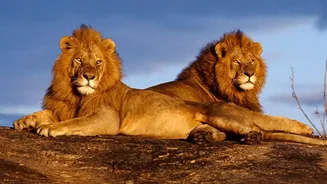
For decades, the story of the Asiatic lion has been one of remarkable comeback. Reduced to a few dozen individuals in the early 20th century, the population has grown to over 800, thanks to intensive conservation in Gujarat's Gir National Park. But this
success has created a new vulnerability: all the world's wild Asiatic lions live in a single, geographically isolated area. This concentration means a single disease outbreak, a large forest fire, or another natural disaster could be catastrophic for the species. An epidemic of Canine Distemper Virus in 2018, which killed dozens of lions in a short span, was a stark reminder of this single-point-of-failure risk. Experts have long advocated for establishing a second, independent population to act as an ecological insurance policy.
Why Barda Was Chosen
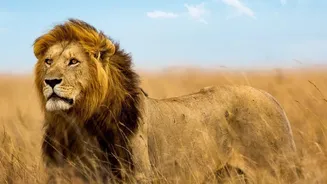
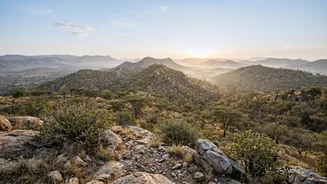
After years of consideration, the Barda Wildlife Sanctuary, located about 100 kilometres from Gir, has been identified as the ideal second home. The selection was not random. The Wildlife Institute of India identified Barda as a potential site capable of supporting a population of around 40 lions. The logic is sound: Barda's landscape of rugged hills and semi-arid forests closely resembles the terrain of Gir, making it ecologically suitable for the lions. Its proximity allows for potential natural dispersal, a process that has already begun. In a landmark event in January 2023, a male lion naturally migrated from Gir to Barda, marking the species' return after a 143-year absence. This natural movement confirmed the viability of the corridor and the sanctuary itself.
Preparing a New Home
Making a sanctuary truly ready for apex predators is a meticulous process. One of the primary challenges at Barda was a thin prey base. A lion cannot thrive without a steady source of food, and a lack of wild prey can lead to increased human-wildlife conflict as lions turn to livestock. To solve this, the Gujarat Forest Department launched a massive effort to augment the herbivore population. Using the 'Boma' technique—a gentle method of herding animals into an enclosure—hundreds of spotted deer (chital) and sambar have been translocated from the dense populations in Gir to Barda. Habitat restoration, including grassland development and enhancing water sources, has also been a key focus to ensure the sanctuary can support a growing pride.
A New Pride Takes Root
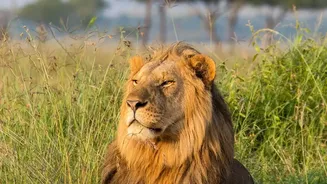
The project is already showing promising results. Following the natural arrival of the first male lion, the Forest Department augmented the budding population by introducing five females. This scientifically managed approach has paid off. As of late 2025 and early 2026, reports confirm that the Barda population has grown to 17 lions, including several cubs born within the sanctuary. To monitor their adaptation and ensure their safety, several lions have been fitted with radio collars, providing invaluable data on their movements, habitat use, and social structures. The government has also strengthened the administrative framework, deploying dedicated lion trackers and rapid response teams to manage this new chapter in conservation.
More Than Just Lions
The establishment of a lion population in Barda brings benefits that extend beyond a single species. The presence of a charismatic apex predator drives broader conservation efforts, enhancing the protection of the entire ecosystem. It has also spurred the state to address the needs of local communities. The government has introduced a voluntary relocation package for the semi-nomadic 'maldhari' pastoralist families living within the sanctuary, offering them financial assistance to move outside and access better livelihood and education opportunities, thereby reducing biotic pressure on the forest. Furthermore, controlled ecotourism is being developed, creating jobs for local residents as guides and safari operators, ensuring the community has a stake in the success of the sanctuary.