







The New Financial Onslaught
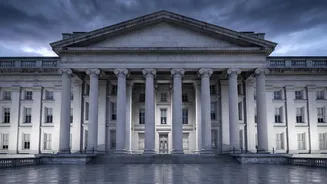
On August 24, the US Treasury Department unveiled a campaign dubbed 'Operation Economic Outcast'. This isn't just a minor adjustment; it's a broad assault designed to sever Iran's remaining connections to the global economy. The sanctions target five
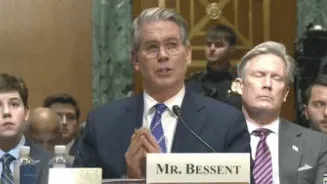
critical sectors: digital assets and cryptocurrency, technology, gold, aviation, and shipping. More than 60 individuals, companies, and vessels have been specifically named for their alleged roles in helping Iran sell oil, conduct cyber operations, or procure technology for its missile and nuclear programs. US Treasury Secretary Scott Bessent has warned that any entity, anywhere in the world, found to be facilitating money laundering for Iran will be cut off from the US dollar system.
The Official Objective: Economic Asphyxiation
The stated goal is to achieve the 'economic asphyxiation' of the Iranian regime. According to US officials, these sanctions are a direct response to a nearly six-month-long conflict that has seen a stalemate develop. After military actions failed to achieve a decisive outcome, Washington is shifting its strategy back to intense economic pressure. The aim is to close all loopholes that Iran has used to evade previous sanctions and generate revenue. The White House hopes that by cutting off every financial lifeline, it can force Tehran to capitulate, effectively ending the conflict and bringing the regime to a point of collapse without further military force.
A Warning to the World
A key component of this new strategy is the expansion of 'secondary sanctions'. This means the US is not just targeting Iran, but also putting other countries on notice. Nations and companies that continue to trade with Iran risk being cut off from the US financial system themselves. US Treasury Secretary Bessent has been clear that it is 'no longer acceptable to operate in the gray spaces' of the conflict, signaling an end to American patience with countries that maintain economic ties with Tehran. This is a direct challenge to Iran's main trading partners, including China, Turkey, and the UAE, though no specific countries have been immediately targeted, giving them a window to 'remedy bad behavior'.
Tehran's Defiant Response
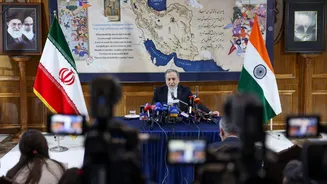
Iran's reaction has been one of defiance, dismissing the sanctions as a sign of American 'desperation'. Iranian officials have stated they were prepared for such a move and have a two-year plan to manage the consequences. Some analysts in Tehran argue that since the country is already under heavy sanctions, these new measures are more of a public relations move than a practical escalation. However, the threats from Tehran are serious; officials have warned they would view any country complying with the sanctions as an enemy and have vowed to retaliate, with one security chief warning that 'not a drop of oil will leave the Persian Gulf' if neighboring countries cooperate with the US.
The Ripple Effect on India
For India, these developments are a cause for significant concern. While India's oil imports from Iran are not what they once were, the sanctions create other economic risks. The primary threat is a potential spike in global crude oil prices if Iran's exports are further squeezed or if the conflict escalates and disrupts shipping through the Strait of Hormuz. Furthermore, Indian exports of essential goods like rice, tea, and pharmaceuticals to Iran could be severely disrupted. Much of this trade is routed through the UAE, which recently suspended its own trade with Tehran, complicating payment and logistics for Indian businesses. In the first half of 2026 alone, Iran was the second-largest overseas market for Indian premium rice, a trade now facing uncertainty.