




Why Loose Flour Burns So Quickly
The main reason loose flour burns comes down to simple science. Cooking oil for deep-frying is typically heated to between 160°C and 190°C. While the dough you are frying is protected by its moisture content, tiny, dry particles of flour are completely
exposed to this intense heat. Flour has a much lower smoke point than the oil it's in, meaning it will begin to break down and burn at a lower temperature. These individual particles heat up almost instantly, far faster than the dough itself, and turn into dark, acrid specks that float in your oil. This process not only happens quickly but continuously as more floured items are added to the pan, steadily degrading the quality of your cooking medium.
The Impact on Your Food and Oil
The consequences of burnt flour go beyond just appearance. These burnt particles impart a distinctively bitter and unpleasant taste to anything you fry. Instead of a clean, golden-brown finish, your food might acquire a dirty look and a harsh flavour that overpowers the dish's intended taste. Furthermore, this residue rapidly degrades the frying oil. Burnt particles lower the oil's smoke point, causing it to break down, darken, and develop off-flavours much sooner. This means you'll have to discard and replace the oil more frequently, which can be wasteful and costly. Clean oil is essential for clean-tasting fried food, and burnt flour is one of its biggest enemies.
Mastering the Art of Dusting
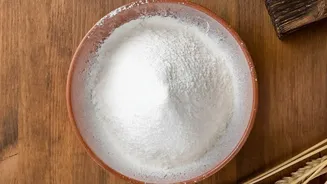
Preventing this issue starts with how you handle the flour before the dough even touches the oil. The goal is to use the absolute minimum amount of flour necessary to prevent sticking. Instead of grabbing a handful, use a sifter, a fine-mesh sieve, or a dedicated dusting wand to apply a very light, even coating to your work surface. It’s always better to start with less flour and add more only if needed. Another effective technique is to use a pastry brush to gently sweep away any excess flour from the surface of your rolled dough before it goes into the fryer. This simple step takes only a few seconds but can make a dramatic difference in keeping your oil clean.
Techniques for Cleaner Frying
Beyond just using less flour, several other techniques can help you maintain cleaner oil. One crucial step is to let the dredged or floured item rest for a few minutes before frying. This allows the flour to absorb some moisture from the dough, helping it adhere better and reducing the amount of loose powder that falls off in the oil. If you notice particles starting to accumulate, you can use a fine-mesh spider or strainer to skim them out between batches. Maintaining the correct oil temperature is also key; oil that is too hot will burn particles more quickly. Finally, consider an alternative: instead of dusting your rolling surface with flour, try applying a very thin layer of oil to your rolling pin and the surface. This can prevent sticking without introducing any flour that could later burn.