

The Doomsday Glacier Explained
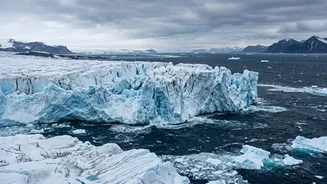
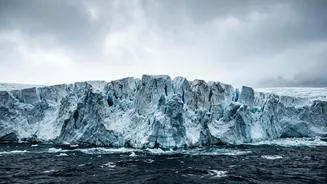
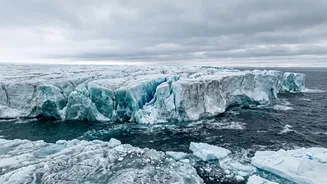
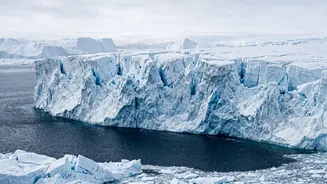
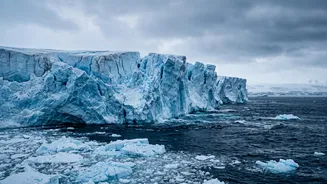
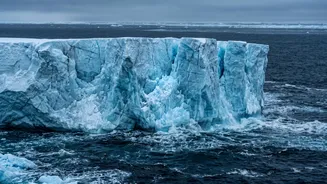
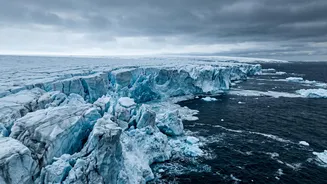
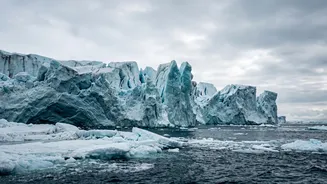
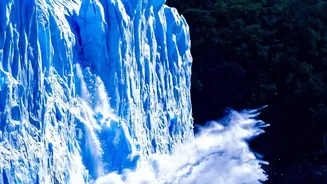
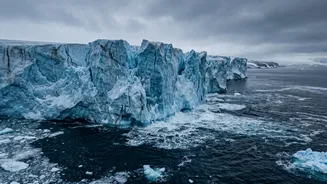
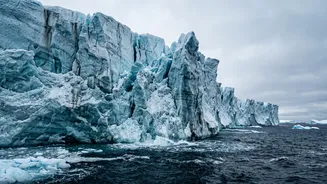
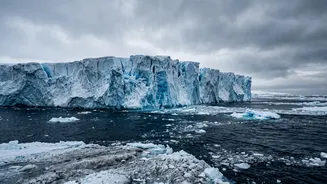
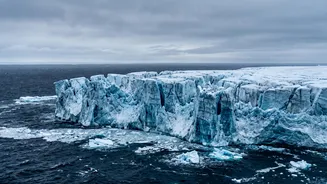
Thwaites is one of the widest and fastest-melting glaciers on Earth, roughly the size of Gujarat or Britain. Its collapse is considered a planetary-scale threat because it acts like a natural dam, holding back the rest of the vast West Antarctic Ice Sheet.
If Thwaites were to fail, it could eventually trigger a total sea-level rise of around 10 feet, threatening coastal communities worldwide. For decades, scientists have watched it thin and retreat, but predicting its future has been notoriously difficult due to the complex processes happening out of sight, deep beneath the ice. It already accounts for about 4% of annual global sea-level rise.
A Hidden Threat From Warm Seawater
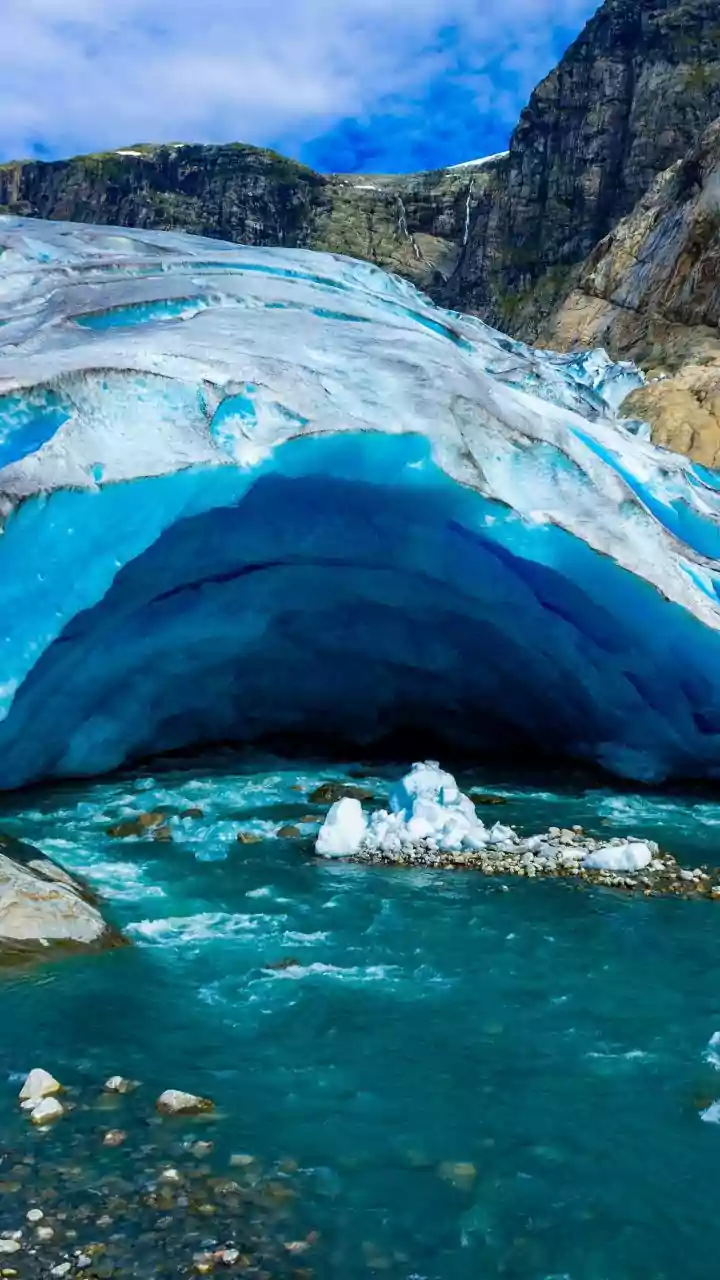
The primary cause of Thwaites' rapid retreat is not warmer air, but warmer ocean water. Relatively warm, salty ocean currents are flowing beneath the glacier's floating ice shelf, melting it from the bottom up. This is most critical at the 'grounding line'—the point where the glacier lifts off the seabed and begins to float. As this line retreats inland, more of the glacier's underbelly is exposed to this warm water, creating a dangerous feedback loop. The land beneath Thwaites slopes downward, meaning that as it melts, an ever-larger area of ice comes into contact with the ocean, accelerating the process further.
A New Window Under the Ice
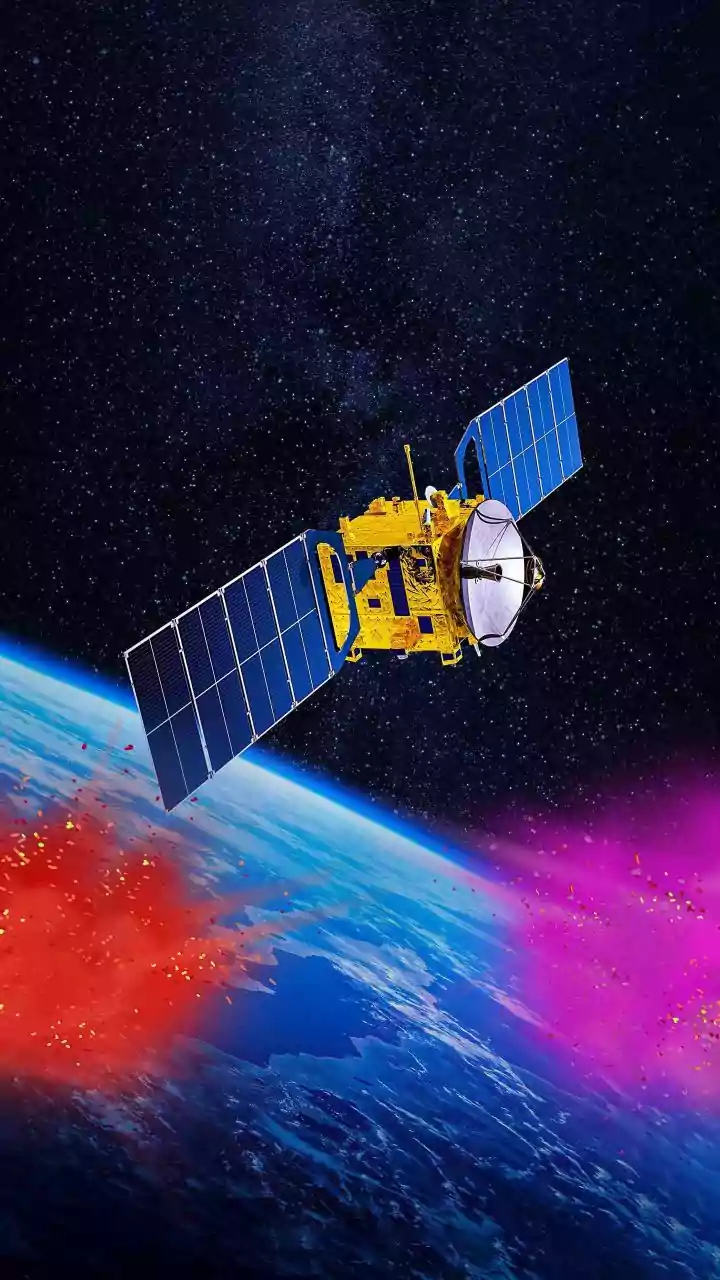
A new computer model developed by researchers at the University of California, Irvine, and NASA's Jet Propulsion Laboratory provides a groundbreaking new perspective. Previous models treated the boundary between grounded and floating ice as a simple, fixed line. This new model, however, accounts for a much wider 'grounding zone', which can be several kilometres across. Using satellite data, scientists have confirmed that seawater doesn't just stop at the edge; it pushes far inland beneath the grounded ice, lifting it with the tides and causing vigorous melting.
What the Model Reveals
The results are sobering. By incorporating this 'grounding zone' dynamic, the new model's simulation of the glacier's retreat over the past few decades is four times more accurate than older models. When projected forward, it suggests Thwaites could contribute up to 30 millimeters (1.2 inches) to global sea levels by 2100. This is roughly double what previous projections estimated, even without any additional increase in global warming. The model also shows there is a significant chance the glacier could become 'unpinned' from a crucial underwater ridge that is currently slowing its flow, which would dramatically speed up its retreat.
Why It Matters for India
A melting glacier thousands of kilometres away has direct consequences for India's 7,500-kilometre coastline. The sea-level rise caused by Thwaites' melt will be felt globally, putting low-lying coastal cities at extreme risk. Metropolises like Mumbai, Kolkata, and Chennai are already vulnerable. Studies have warned that large parts of Mumbai, including business districts like Nariman Point, could be threatened by submergence by the end of the century. The increased sea level would also lead to more devastating storm surges, coastal erosion, and saltwater intrusion into freshwater sources, impacting agriculture and drinking water for millions.