

Embrace Art Deco Geometry
The glamour of the 1920s and '30s is defined by the bold, symmetrical patterns of Art Deco. Think sharp zigzags, elegant sunbursts, and repeating chevrons. This style is about structured opulence, but you don't need a grand ballroom to capture its essence.
A small update is all it takes. Introduce these geometric designs through a set of velvet cushion covers on a modern sofa, a striking metallic-accented vase, or an elegant serving tray. For a slightly bolder move, consider a single roll of peel-and-stick wallpaper with a classic Art Deco fan pattern on the back of a bookshelf or inside a closet for a hidden pop of sophistication. The key is using these strong patterns as an accent, letting them contrast with simpler, contemporary furniture.
Channel Mid-Century Modern Simplicity
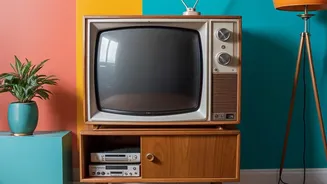
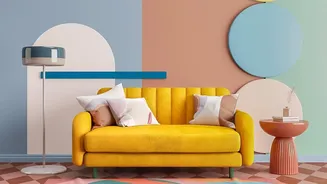
Mid-Century Modern (MCM) design, spanning from the 1940s to the '60s, is loved for its clean lines, organic shapes, and functional simplicity. Its patterns follow suit, featuring atomic-era motifs like starbursts, playful boomerangs, and simple geometric repeats. This style is perfect for small, impactful updates. Look for textiles like tea towels, throw blankets, or placemats in classic MCM patterns. A statement piece of wall art featuring abstract shapes and a retro color palette of mustard yellow, teal, and walnut brown can instantly anchor a room. Even smaller details, like a set of ceramic coasters with a subtle geometric print or a lampshade with an atomic design, can infuse your space with the optimistic spirit of the era without overwhelming it.
Get Groovy with 70s Florals and Swirls
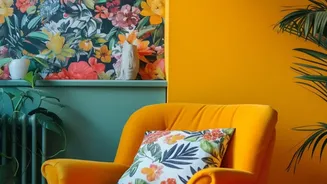
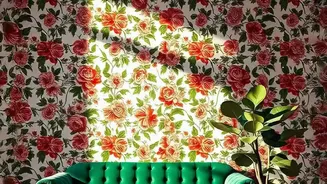
The 1970s were anything but shy, and its patterns reflect a bold, free-spirited energy. Large-scale, stylized florals and psychedelic swirls in earthy palettes of avocado green, harvest gold, and burnt orange are hallmarks of the decade. While a floor-to-ceiling statement wall might feel like too much, these patterns are perfect for smaller applications. A funky floral shower curtain can transform a neutral bathroom, while a set of kitchen canisters in a swirly pattern adds a dose of cheerful nostalgia. Consider reupholstering a single footstool or small accent chair in a bold, retro floral fabric. These vibrant patterns are meant to be fun, so use them in places that could use a little extra personality, like a reading nook or entryway.
Incorporate Earthy Textures
Vintage flair isn't just about printed patterns; it's also about texture. The 70s, in particular, celebrated natural and handmade materials. Macramé plant hangers, woven wall tapestries, and rattan or cane furniture bring a soft, bohemian warmth to a space. Integrating these textures is one of the easiest ways to add a vintage touch. Hang a small macramé piece on a wall, place a few potted plants in woven baskets, or look for decorative boxes or trays made from caned materials. These tactile elements complement both bold retro patterns and clean modern lines, adding a layer of cozy, lived-in character that feels both nostalgic and current.
A Touch of Terrazzo
Terrazzo, a composite material featuring chips of marble, quartz, or granite, had a major moment in mid-century design and is enjoying a significant comeback. Its speckled, multi-tonal pattern is playful yet sophisticated, and it's incredibly versatile. While a full terrazzo floor might be a major commitment, you can easily incorporate the pattern through small accessories. A terrazzo-patterned side table, a soap dispenser, a set of bookends, or a serving board can introduce this classic material in a fresh, modern way. It acts as a neutral with a twist, providing visual interest that pairs well with solid colors and other, bolder patterns.
The Art of the Mix
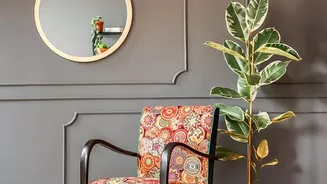
The final step in making retro patterns work is to balance them with your existing decor. A vintage-inspired space feels curated, not like a movie set. The trick is to follow the 80/20 rule: let 80% of your room be your base style (whether that's modern, minimalist, or traditional), and use the remaining 20% for your retro accents. Pair a bold patterned rug with a neutral sofa. Let a single, statement vintage armchair be the star of a contemporary living room. Mix aged metallic finishes like brass or bronze with sleek, modern chrome. By creating this balance, you allow the vintage pieces to shine as unique focal points that tell a story, adding depth and personality to your home.