

What Happened on Flight AI2379?
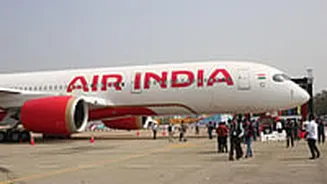
On Tuesday, August 4, 2026, passengers on Air India flight AI2379 were jolted by what was described as a terrifying period of severe turbulence. The Airbus A320neo, carrying 137 passengers and eight crew members, experienced a sudden altitude loss of approximately
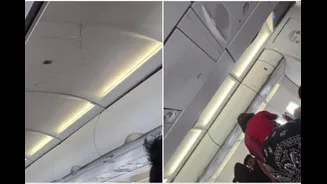
300 feet. The event, which lasted for about four to five minutes, was violent enough to cause significant chaos within the cabin. Passengers who were not wearing their seatbelts were reportedly thrown from their seats, with some hitting the cabin ceiling before falling back into the aisles. Passenger accounts describe a scene of panic and fear, with one person recalling they “thought we would die.” Despite the harrowing experience, the flight crew managed to continue for another hour and land the aircraft safely at Delhi's Indira Gandhi International Airport.
The Aftermath and Injuries
Immediately upon landing in Delhi, emergency medical teams were on standby to provide assistance. A total of 17 people—13 passengers and four crew members—sustained injuries and required hospital evaluation. The injuries ranged from minor bruises to more serious issues, including spinal and neck injuries among the crew members. Passengers reported head injuries, and some cabin ceiling panels were damaged, illustrating the force of the event. The injured were transported to several hospitals, including Medanta Hospital and Fortis Hospital. By Wednesday, August 5, all 13 injured passengers had been discharged, while four crew members remained under medical care for their injuries.
The Official Response and Investigation
India's aviation regulator, the Directorate General of Civil Aviation (DGCA), has launched a thorough investigation into the incident. Civil Aviation Minister Ram Mohan Naidu confirmed that the aircraft was immediately secured in a separate hangar upon landing. Both the flight data recorder and the cockpit voice recorder—often called the "black boxes"—have been taken into DGCA custody for detailed analysis. The investigation will aim to determine the precise cause of the incident, examining whether it was caused by unpredictable atmospheric conditions, such as clear-air turbulence (CAT), or a potential technical issue with the aircraft. Air India has stated it is fully cooperating with the investigation.
Understanding Mid-Air Turbulence
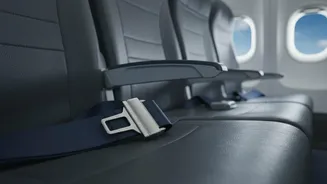
The phrase "cabin shifted suddenly" is a common passenger description for severe turbulence, an often-unpredictable and invisible phenomenon. Clear-air turbulence, in particular, occurs without any visible warning like clouds and is notoriously difficult for pilots to anticipate. It is caused by clashes between air masses moving at different speeds or directions. While modern aircraft are built to withstand even the most severe turbulence, the primary danger comes from passengers and unsecured objects being thrown about the cabin. This incident serves as a stark reminder of why aviation authorities and airlines consistently advise passengers to keep their seatbelts fastened whenever they are seated, even if the seatbelt sign is off. It is the single most effective measure to prevent injury during unexpected turbulence.
Praise for the Cabin Crew
Despite sustaining significant injuries themselves, the cabin crew of flight AI2379 have been praised for their bravery and professionalism. Civil Aviation Minister Ram Mohan Naidu personally visited the injured crew members in the hospital. He highlighted that even after suffering spinal and neck injuries during the five-minute ordeal, the crew continued to assist passengers and maintain order for the remaining hour of the flight, ensuring the safety and well-being of those on board. Their actions have been described as remarkably courageous under extreme circumstances.