





More Than a Single Mission
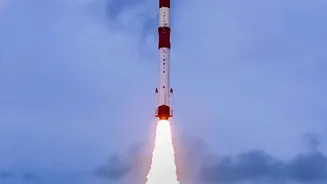
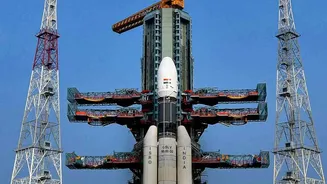
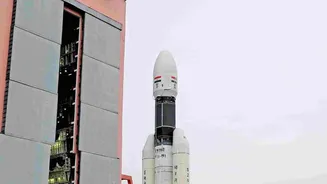
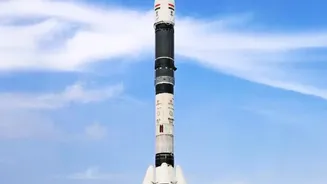
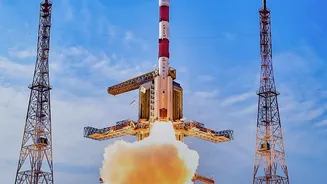
The Gaganyaan programme, which aims to send Indian astronauts into a 400 km orbit, is much more than a single flight. It is a comprehensive capability-building exercise for the Indian Space Research Organisation (ISRO). ISRO Chairman S. Somanath has emphasized
that Gaganyaan is the immediate priority, serving as the essential stepping stone for India's long-term space ambitions. Every system developed and tested for Gaganyaan—from life support to re-entry—is designed not just for a three-day mission but as a foundational piece for a sustained human presence in space. This strategic approach ensures that the massive investment in Gaganyaan directly feeds into the even more ambitious goal of constructing a space station.
The Core Technological Building Blocks
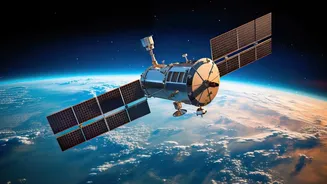
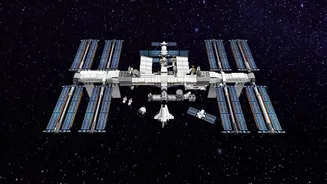
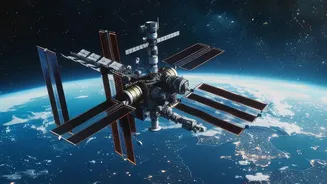
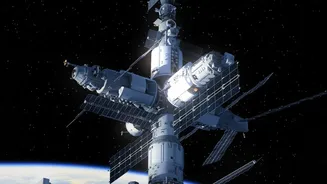
The Bharatiya Antariksh Station (BAS) will essentially be a series of interconnected modules, and Gaganyaan is developing the prototypes for these core systems. The most critical is the Environmental Control and Life Support System (ECLSS), which provides breathable air, manages temperature, and handles waste—creating a habitable, Earth-like environment in the harshness of space. The Gaganyaan Orbital Module itself, comprising the Crew Module and Service Module, serves as a mini-spacecraft. The lessons learned in perfecting its power, propulsion, and life support systems are directly applicable to designing the larger, more complex modules of the BAS.
Mastering the Space Rendezvous
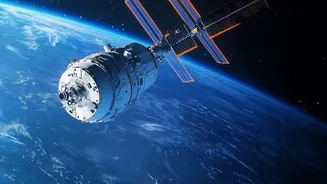
A space station is built piece by piece in orbit. This requires mastering the delicate and complex procedures of rendezvous and docking, where one spacecraft meets and connects with another. Future, upgraded versions of the Gaganyaan spacecraft are planned to include these capabilities. Demonstrating the ability to automatically and safely dock with another object in orbit is a non-negotiable prerequisite for assembling the five-module Bharatiya Antariksh Station. Each successful docking test will validate the hardware, software, and operational strategies that will be used to link the station's base module, science labs, and docking ports. The government has approved the indigenous development of this critical docking technology, reducing reliance on foreign suppliers.
A Phased and Strategic Timeline
ISRO’s plan follows a clear, step-by-step progression. The Gaganyaan mission will first prove that India can safely launch humans into space and bring them back. Following several uncrewed test flights, the first crewed mission is the next major goal. After that, the focus will shift to launching the first module of the space station, BAS-01, which is targeted for 2028. The full five-module station is planned for completion by 2035. This phased approach allows ISRO to build, test, and learn at each stage. Technologies and procedures validated during Gaganyaan missions will be refined and scaled up for the assembly and operation of the space station, ensuring a robust and reliable long-term presence in Low Earth Orbit.