


Our Galactic Next-Door Neighbour
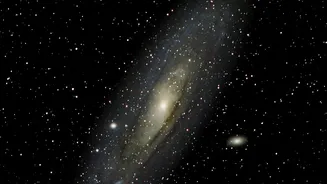
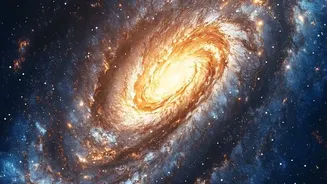
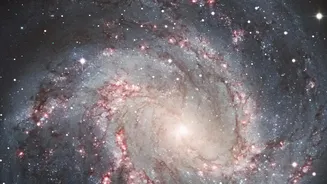
The Andromeda galaxy, also known as M31, is the closest major galaxy to our own Milky Way. Located about 2.5 million light-years away, it is so large and bright that it can be seen with the naked eye from areas with dark skies. For astronomers, Andromeda is a perfect
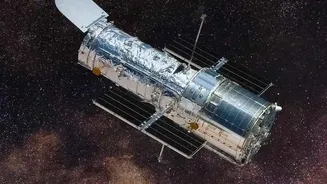
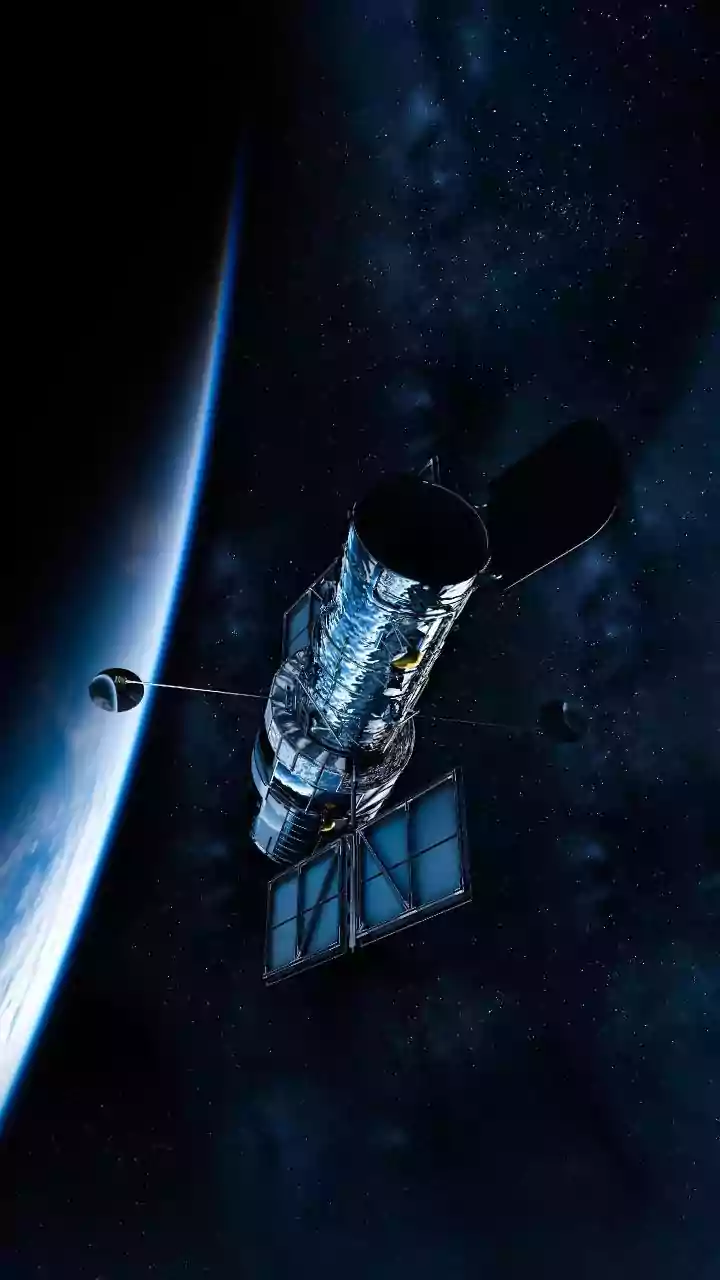
natural laboratory. Its relative proximity allows telescopes like Hubble to resolve hundreds of millions of individual stars, providing a detailed 'fossil record' of the galaxy's life. By studying the colours and ages of these stars, scientists can piece together a history of the galaxy’s periods of growth and decline. A new comprehensive study did just that, using Hubble to create an unprecedented map of Andromeda's past activity.
A Slowdown in the Star Factory
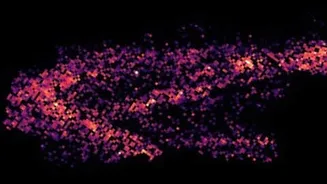
The latest Hubble research reveals a significant change within Andromeda: its star formation is slowing down dramatically. By analysing around 200 million stars across its disc, scientists found that star production has been steadily declining for the last 500 million years. The slowdown became even more pronounced in the last 40 million years. Two billion years ago, Andromeda experienced a massive burst of star birth, likely caused by a merger with a smaller galaxy. Since then, the cosmic nursery has been getting quieter. Five hundred million years ago, the galaxy was creating stars at a rate of about one solar mass per year. Today, that rate has plummeted to just one-fifth of a solar mass per year, indicating a major shift in the galaxy's internal dynamics.
The Science of 'Quenching'
This process of a galaxy shutting down its star formation is known to astronomers as 'quenching'. A galaxy needs reservoirs of cool gas and dust to form new stars. If that fuel is used up, heated, or ejected, the star factory closes. Quenching can happen for several reasons. Sometimes, the supermassive black hole at the galaxy's centre becomes active and releases enormous amounts of energy, heating the surrounding gas and preventing it from cooling and collapsing into stars. This is often called 'AGN feedback'. In other cases, a galaxy might simply exhaust its fuel supply after a major burst of star formation. The new data suggests that in Andromeda's case, the slowdown seems to be a natural winding-down process rather than a sudden event, with the most recent star birth now clustered in a faint ring far from the galaxy's centre.
A Window into the Future
Studying the decline of Andromeda offers a fascinating glimpse into the life cycle of galaxies. Most galaxies, including our own Milky Way, are expected to eventually exhaust their star-forming fuel and slowly fade. Because Andromeda is so close, astronomers can study this quenching process in unparalleled detail, helping them understand what our own galaxy's distant future might look like. While the Milky Way is still actively forming stars, it is destined to collide and merge with Andromeda in several billion years. The combined galaxy that results from this cosmic crash will likely undergo a massive, final burst of star formation before it, too, eventually quenches and settles into a quiet retirement. By watching Andromeda change today, we are seeing a preview of the ultimate fate that awaits many galaxies across the universe.