




The Soaring Cost of a Healthy Plate
Recent UN reports paint a stark picture: a significant portion of India's population cannot afford a nutritionally adequate diet. One 2024 report noted that 55.6% of Indians are unable to afford a healthy diet. This doesn't mean they are starving, but
rather that the cost of a diet rich in diverse food groups—fruits, vegetables, proteins, and whole grains—is beyond their financial reach. While there has been a decline from previous years, the number remains alarmingly high. The price of nutrient-dense foods like pulses, vegetables, fruits, and dairy has consistently outpaced general inflation, making them luxury items for many households. In contrast, calorie-dense but nutritionally poor options like refined grains and sugary snacks are often cheaper and more accessible, creating a difficult choice for families on a tight budget.
What Defines a 'Healthy Diet'?
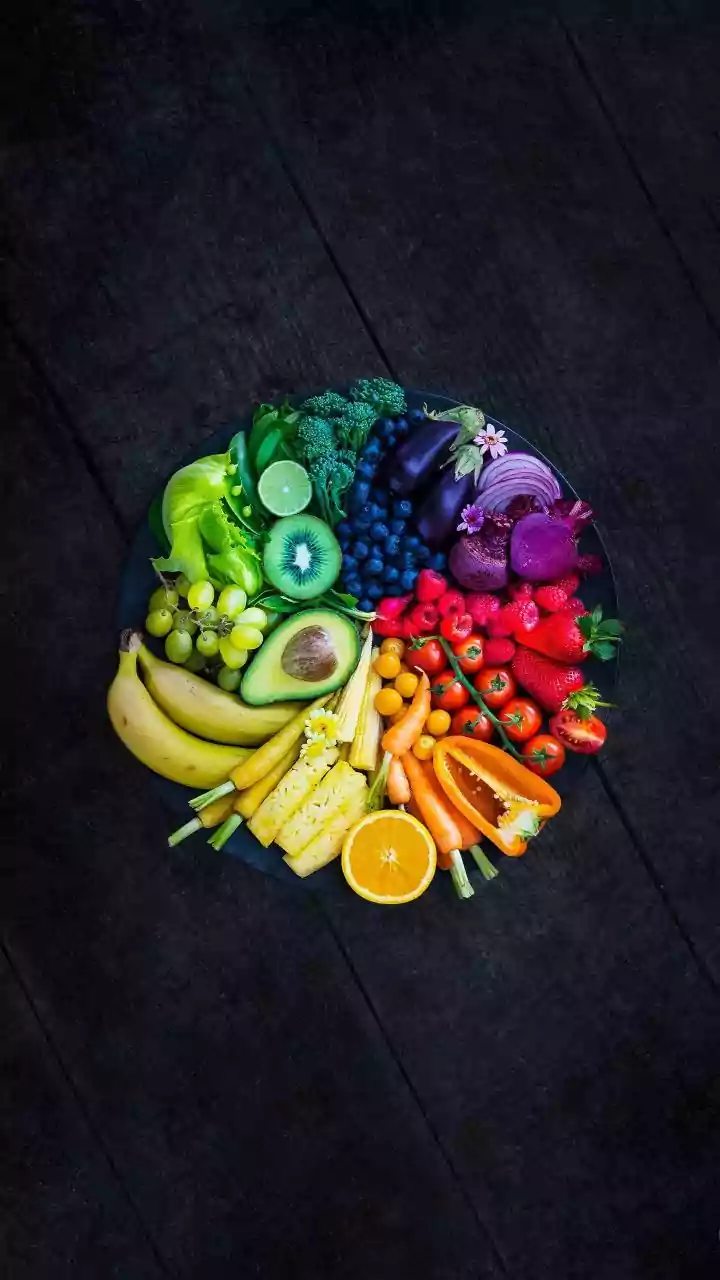
A healthy diet, as defined by bodies like the World Health Organization and India’s National Institute of Nutrition (NIN), is about diversity and adequacy. It's not just about getting enough calories but about consuming a balanced mix of macronutrients and micronutrients. This includes a variety of food groups: starchy staples, pulses or beans, nuts and seeds, fruits, vegetables, and some animal-source foods or dairy. The NIN provides detailed Recommended Dietary Allowances (RDA) for Indians, outlining the necessary intake of protein, vitamins, and minerals for different age groups and lifestyles. However, meeting these recommendations involves purchasing a basket of goods that is often far more expensive than the staples like rice and wheat that form the bulk of subsidized food programs.
The Economic Drivers of Unaffordability
Several factors conspire to keep nutritious food expensive. Food inflation has been a persistent issue, disproportionately affecting perishable goods like fruits and vegetables. Supply chain inefficiencies, lack of adequate cold storage facilities, and transportation bottlenecks lead to significant food loss and drive up prices before produce even reaches the market. While the Green Revolution secured India's grain supply, it also led to a focus on cultivating wheat and rice, often at the expense of more diverse, climate-resilient, and nutritious crops like millets and pulses. This imbalance in agricultural policy and production means that the very foods needed for a balanced diet are often less available and more expensive.
The Hidden Costs of a Poor Diet
The inability to afford a healthy diet carries a heavy public health burden. For millions, it translates into a 'hidden hunger' where individuals consume enough calories but lack essential nutrients, leading to high rates of malnutrition, stunting in children, and anaemia in women and children. India has one of the highest child wasting rates in the world. Simultaneously, a diet reliant on cheap, processed foods contributes to a rising epidemic of non-communicable diseases such as diabetes, obesity, and hypertension. This creates a dual burden of undernutrition and overnutrition, placing immense strain on the healthcare system and impacting the economic productivity of the nation for generations to come.
Policy and Pathways Forward
Addressing this challenge requires more than just awareness campaigns. Experts argue for a systemic shift in policy. This includes promoting agricultural diversification to increase the supply of nutritious foods, which could help lower their cost. Strengthening the Public Distribution System (PDS) to include not just cereals but also pulses, millets, and fortified foods is another crucial step. Investing in rural infrastructure, from farm-to-market roads to cold storage, can reduce waste and stabilize prices. For the average person, while systemic change is awaited, the focus remains on making the most of local, seasonal produce, which is often more affordable and nutritious. However, the core issue remains that individual choices are severely constrained by market prices and income levels.