
Understanding the TasteAtlas List
First, let's break down what TasteAtlas is. It’s not a panel of Michelin-star judges, but an 'experiential travel guide' that aggregates ratings from a global audience of users. Think of it as a worldwide atlas of traditional dishes, local ingredients,
and authentic restaurants. The annual list of 'Best Cuisines in the World' is calculated based on the average user ratings of the top dishes and food products from each country. For the latest 2025/26 list, hundreds of thousands of valid ratings were considered to determine the final scores.
How India Fared on the Global Stage
With a score of 4.43, Indian cuisine secured the 13th spot globally. While this places it firmly within the top tier of world food cultures, it's a slight dip from previous years where it has ranked as high as 5th and more recently at 11th and 12th. The top spots this year were claimed by Italy, Greece, and Peru, with scores in the 4.64 range. Japan, Spain, and Portugal also featured in the top group. India's position ahead of countries like the USA, Vietnam, and South Korea still highlights its strong global standing.
The Shining Stars of Indian Cuisine
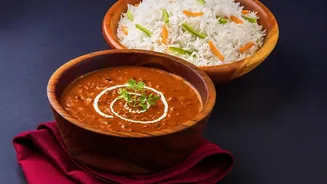
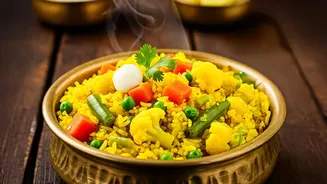
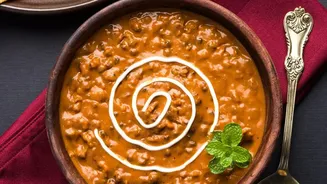
While the overall country ranking is what grabs headlines, the real story is often in the details. Several Indian dishes received exceptionally high ratings, proving their worldwide popularity. Breads, in particular, were a standout success, with Butter Garlic Naan and Amritsari Kulcha both earning impressive individual scores. Other 'must-try' dishes highlighted by the guide include Murgh Makhani (Butter Chicken), Hyderabadi Biryani, and Parotta. Even Garam Masala, the quintessential Indian spice blend, was recognized as a top-rated food product, a nod to the complexity and foundation of our flavours.
The Inevitable Controversy and Debate
No food ranking is ever without its share of debate, and TasteAtlas lists are famous for sparking passionate online discussions. Critics often point to the methodology, which relies on user votes. They argue that this can lead to a 'popularity contest' and potential biases based on which cuisines are more widely known in the West. For example, the high ranking of the US and the dominance of European cuisines in the top spots often draw scrutiny. TasteAtlas defends its system, stating it uses mechanisms to filter out bots and nationalistic voting to ensure genuine ratings. But the core issue remains: can something as personal and diverse as taste ever be objectively ranked on a global scale?
Why These Lists Both Matter and Don't
On one hand, these rankings are a fantastic celebration of global food culture. A high placement for India helps move the international perception of our food beyond just 'spicy' or 'curry', showcasing its incredible range and depth. It gets people talking and encourages culinary tourism. On the other hand, a single number can never capture the soul of a cuisine that changes every 100 kilometres, from the mountains of Ladakh to the coast of Kerala. These lists often feature well-known dishes like Butter Chicken but may overlook countless regional gems. They are a fun conversation starter, but hardly the definitive word on culinary greatness.