




The Paradise Lost
What was once a peaceful retreat from the chaos of city life has become a mirror image of it. During peak seasons, popular hill stations now regularly feature in headlines for 10-hour traffic jams, overflowing garbage bins, and overcrowded main streets.
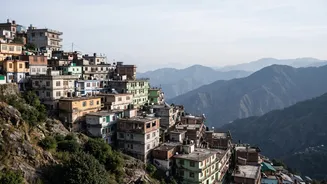
The Mall Roads in Shimla and Mussoorie, once symbols of leisurely strolls, are now often packed with tourists, leaving little room for quiet enjoyment. This surge in visitors, driven by rising incomes, better road connectivity, and a post-pandemic travel boom, is pushing these fragile towns to their breaking point. The very essence of a hill station—tranquility, clean air, and natural beauty—is being eroded by the sheer volume of people seeking it.
An Infrastructure at Its Limit
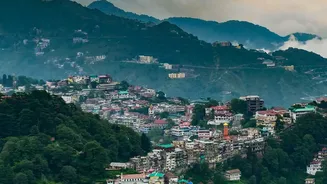
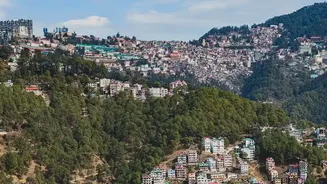
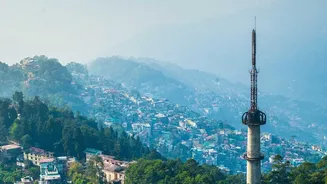
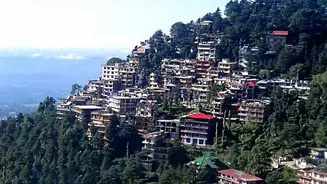
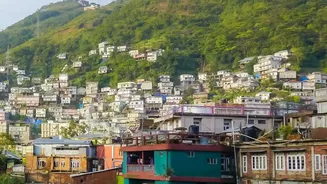
Most of India's iconic hill stations were originally developed for much smaller populations. Shimla, for instance, was built to accommodate around 25,000 people but now supports a population that can swell to over 800,000, including tourists. This massive discrepancy places an unbearable strain on colonial-era infrastructure. Roads, sewage systems, and waste management facilities are simply not equipped to handle the influx. The result is visible chaos: endless vehicle queues, overflowing drains, and mountains of plastic waste that local municipalities struggle to manage. This isn't just an inconvenience; it represents a systemic failure to plan for and manage the consequences of mass tourism.
The Heavy Environmental Toll
The ecological price of this overcrowding is immense. Unregulated construction of hotels and homestays has led to widespread deforestation, destabilising fragile slopes and increasing the risk of landslides. Water scarcity has become a critical issue, with many hill towns facing severe shortages during peak tourist season as hotels consume vast quantities of water, sometimes leaving local residents dry. Waste, particularly non-biodegradable plastic, chokes rivers and forests, contaminating water sources and harming wildlife. The constant traffic contributes to air pollution, and geologists warn that the increased vehicular activity is even raising temperatures in sensitive glacial zones, posing a long-term threat.
Fraying the Social and Cultural Fabric
Beyond the environmental damage, overtourism is altering the very soul of these communities. As demand skyrockets, the cost of living for local residents often increases, while the benefits of tourism are not always shared equitably. The authentic local culture, a key part of the attraction, is frequently diluted or commercialised to cater to tourist tastes, replacing genuine traditions with standardised entertainment. This erodes the unique identity of these places, turning them into generic tourist hubs rather than distinct cultural destinations. The constant pressure on resources and space creates a growing tension between the tourism industry and the local communities who call these mountains home.
A Search for Sustainable Solutions
Recognising the crisis, some authorities are beginning to act. The concept of "carrying capacity"—the maximum number of people a destination can sustainably support—is gaining traction. Some areas, like Landour near Mussoorie, have introduced limits on the number of vehicles allowed per day. Experts are calling for a combination of strategies: better enforcement of building regulations, developing robust waste management systems designed for mountain terrain, and promoting lesser-known destinations to distribute the tourist load. States like Sikkim are being looked at as a model for proactive management, using measures like parking-linked permits and drone-based traffic monitoring to prevent gridlock before it happens. These efforts highlight a growing awareness that managing tourism, rather than just promoting it, is the only way forward.