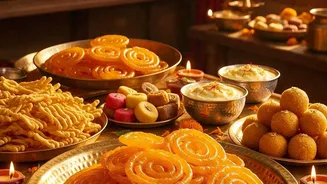



More Than Just a Sweetener
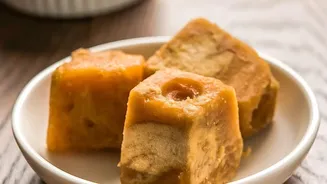
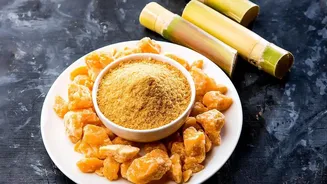
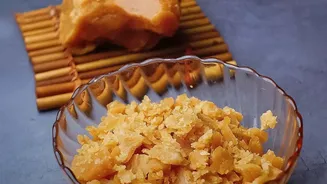
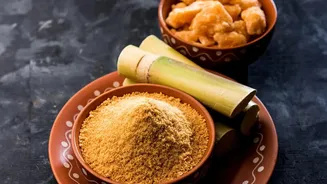
Jaggery is an unrefined sugar made from sugarcane juice or palm sap. Unlike white sugar, which is stripped of everything but sucrose, jaggery retains molasses and trace minerals. This is what gives it a beautiful golden-to-dark-brown colour and a complex
flavour profile that can range from earthy and robust to smoky and caramel-like. This depth of flavour is precisely why it’s a treasured ingredient in kitchens across India. When used in desserts, jaggery does more than just sweeten; it adds a layer of rustic, aromatic warmth that refined sugar simply cannot replicate. It lends a softer texture and a richer hue, turning familiar recipes into something new and exciting.
1. The Creamy Classic: Nolen Gurer Payesh
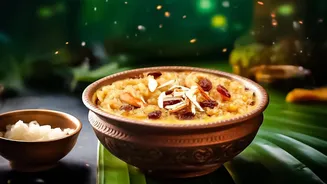
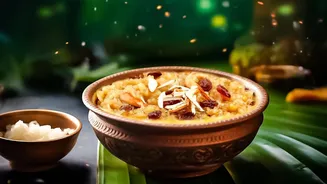
This iconic Bengali rice pudding is a winter delicacy for a reason. Made with fragrant Gobindobhog rice, full-fat milk, and the star ingredient, 'nolen gur' (date palm jaggery), this kheer is the epitome of comfort. The jaggery, typically added after the payesh is cooked and slightly cooled to prevent the milk from curdling, dissolves to create a silky, liquid-gold dessert. It imparts a unique smoky sweetness and a divine aroma that is completely distinct from a sugar-based kheer. The flavour is so central that many recipes use minimal cardamom to avoid overpowering the gur.
2. The Festive Favourite: Coconut Ladoo
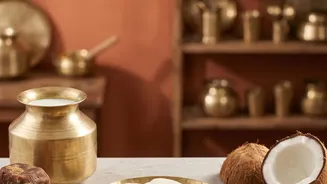
Coconut ladoos made with jaggery are a festival staple across India. Instead of the stark white colour from sugar, jaggery gives these ladoos a lovely golden-brown hue. The process is simple: fresh or desiccated coconut is sautéed in ghee and then cooked with melted jaggery until the mixture thickens. The jaggery’s caramel notes meld beautifully with the nutty flavour of the coconut, creating a chewy, moist, and incredibly satisfying sweet. It’s a beginner-friendly recipe since you don’t need to worry about achieving a specific sugar syrup consistency.
3. The Comforting Bowl: Atta Halwa with Gur
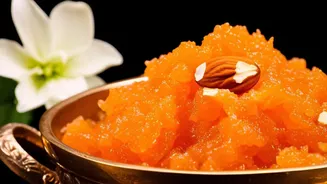
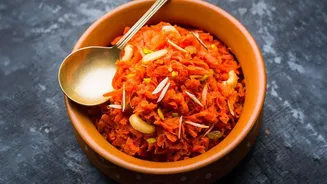
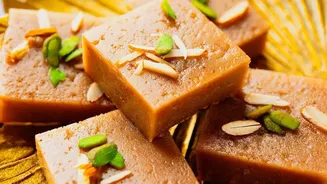
Atta Halwa is a comforting, soulful dessert often made in North Indian homes. While commonly prepared with sugar, making it with jaggery elevates it to another level. Whole wheat flour is roasted in a generous amount of ghee until it turns aromatic and golden brown. Then, a syrup made from melted jaggery is poured in, and the mixture is cooked until it thickens into a glossy, smooth pudding. The jaggery provides an earthy, almost malty sweetness that perfectly complements the nutty flavour of the roasted wheat flour, creating a halwa that feels both rustic and rich.
4. The Quick Treat: Gur ke Gulgule
Gulgule are essentially sweet Indian-style doughnuts. These fluffy, deep-fried treats are popular as an evening snack, especially during monsoon. The batter is typically made from whole wheat flour, fennel seeds, and a sweetener. When jaggery is used, it’s first dissolved in water to create a syrup, which is then mixed into the flour. This not only gives the gulgule a deep brown colour but also ensures they are incredibly soft and spongy on the inside with a slightly crisp exterior. The jaggery’s flavour, combined with the aroma of fennel, makes for a truly addictive snack.
5. The South Indian Staple: Sakkarai Pongal
A quintessential dish prepared during the harvest festival of Pongal in South India, Sakkarai Pongal (or Chakkara Pongal) is a delicious pudding made from newly harvested rice and moong dal. Jaggery is not just an alternative here; it is the traditional and essential sweetener that defines the dish. The rice and dal are cooked until mushy and then combined with a fragrant jaggery syrup, ghee, cardamom, and fried cashews and raisins. The jaggery provides the characteristic dark colour and a profound, earthy sweetness that makes this festive offering so beloved.