
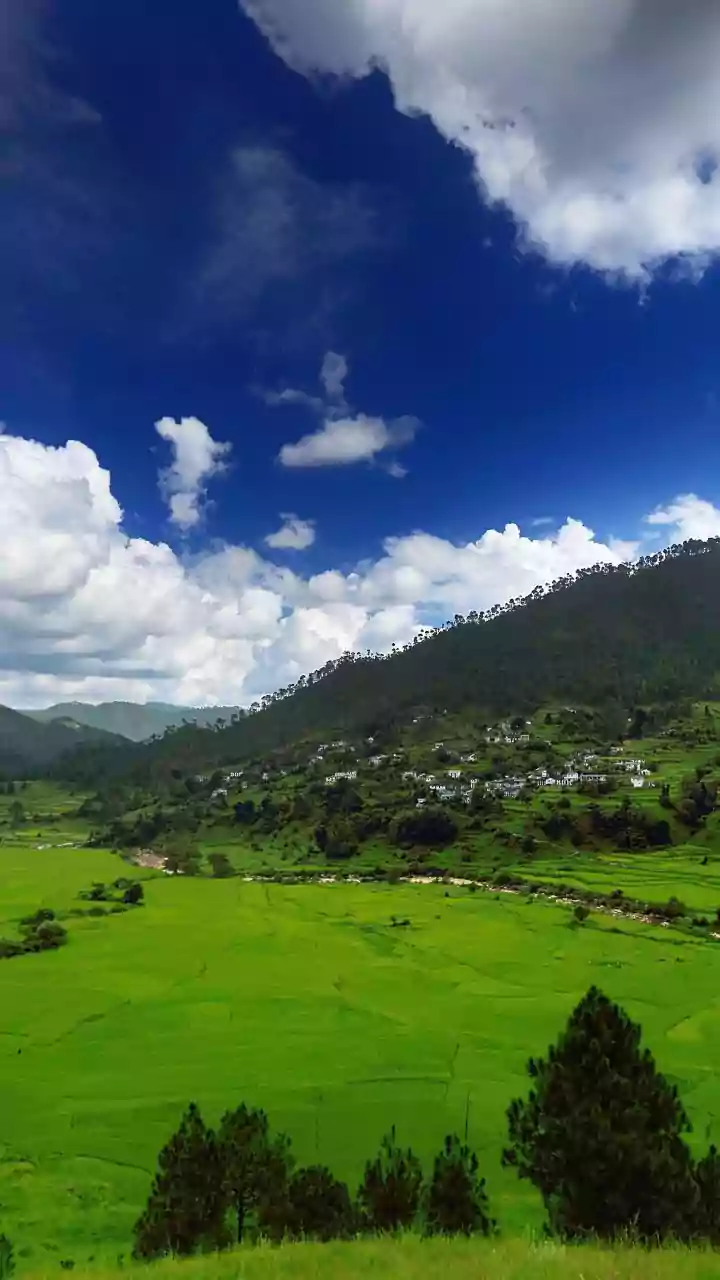



India’s Land of the Rising Sun
Nestled near the strategic tri-junction where India, China, and Myanmar meet, Dong Valley holds a unique geographical distinction. It is the first inhabited place in India to be touched by the morning sun. This isn't just a fun fact; it’s an experience
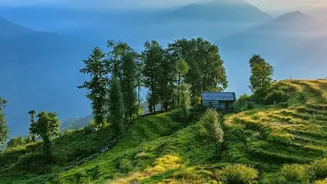
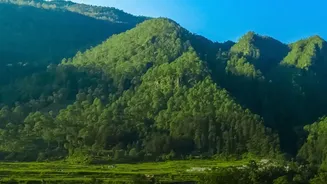
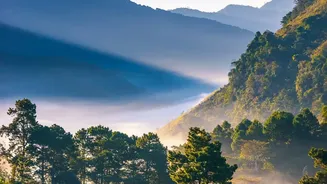
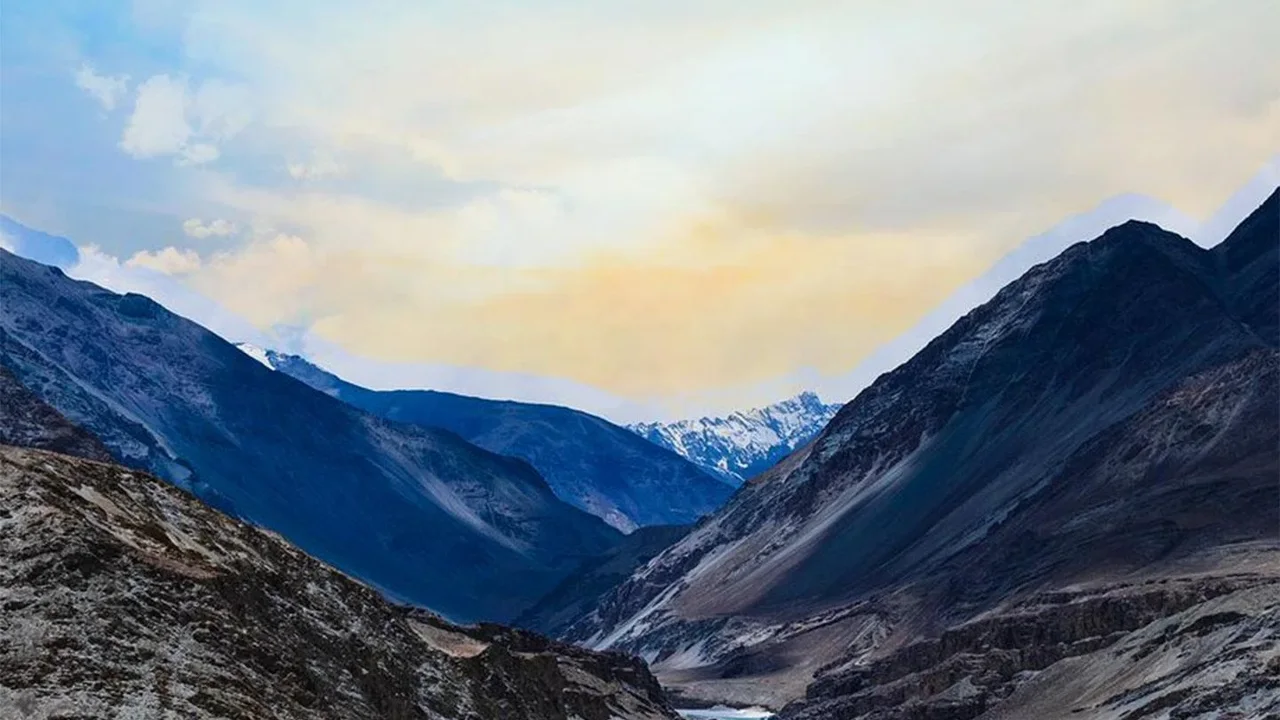
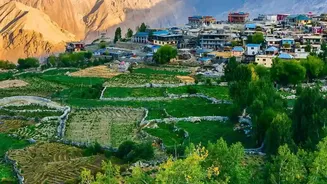
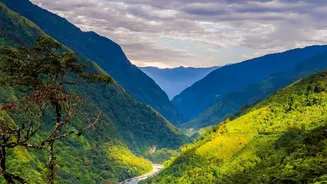
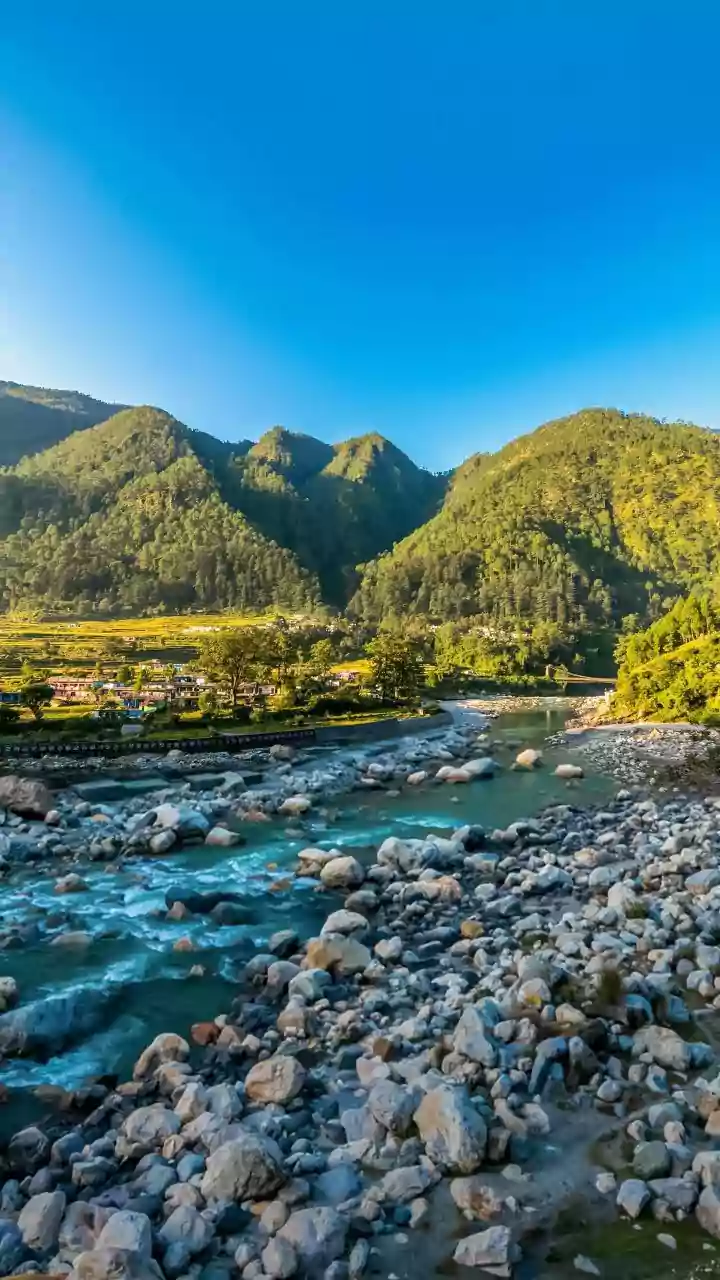
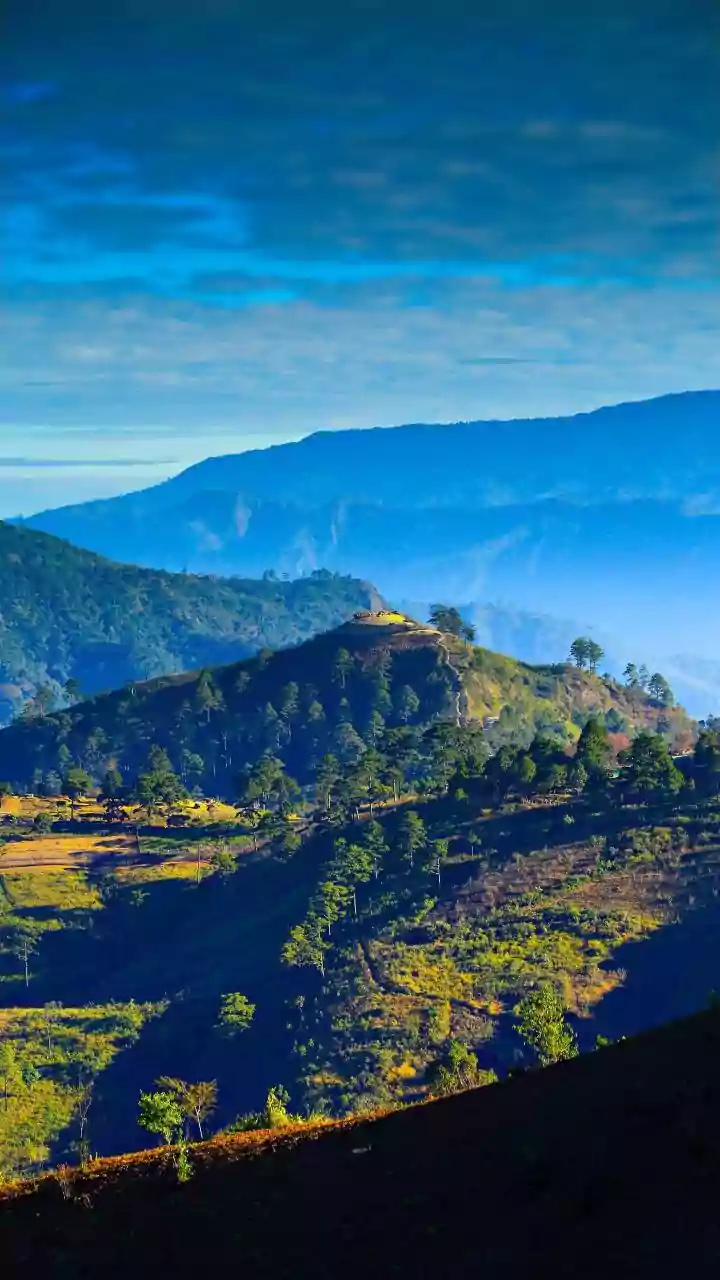
that draws intrepid travellers to this far-flung corner of the Anjaw district. The valley, inhabited by the local Meyor and Mishmi tribes, is a landscape of pristine pine forests, rolling mountains, and the glistening Lohit River. The title 'Land of the Rising Sun', often associated with the entire state of Arunachal Pradesh, feels most tangibly earned here, where dawn breaks while the rest of the nation is still under the cover of night.
The Pre-Dawn Trek to Witness Dawn
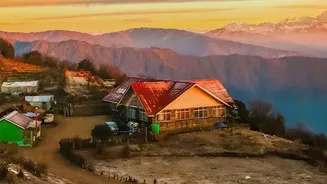
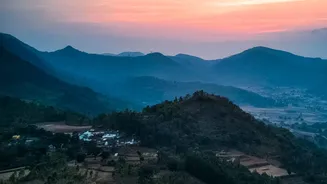
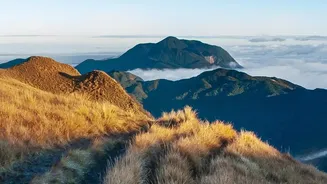
Witnessing this spectacle is not for the late riser. The journey to the sunrise viewpoint is an adventure in itself, requiring a pre-dawn start. Most visitors begin their trek around 2 AM from the nearby town of Walong or the small hamlet of Tilam. The trek is a short but steep climb of about 90 minutes to two hours, ascending through a fragrant pine forest under a canopy of stars. Headlamps are essential as you navigate the dark trail. Reaching the vantage point, a meadow atop a ridge, you wait in the cool, crisp air. As the sky transitions from inky black to shades of orange and red, illuminating the peaks around you, the effort of the early start feels more than justified. In summer, the sunrise can happen as early as 4 AM, and in winter, around 5:30 AM.
Beyond the Sunrise: Walong and its Surrounds
While the sunrise is the main draw, the region around Dong Valley offers plenty more to explore. Walong, the nearest major settlement, serves as the base for this trip. The area is steeped in history, particularly from the 1962 Sino-Indian War. A visit to the Walong War Memorial is a humbling experience, paying tribute to the soldiers who fought here. For relaxation after your early morning trek, you can visit the natural hot springs at Tilam, located on the banks of the Lohit River. The region is also a paradise for nature lovers, with scenic drives to other border villages like Kibithu and Kaho, offering stunning views and a glimpse into life at India's frontier.
Planning Your Arunachal Adventure
A trip to Dong Valley requires careful planning due to its remote location. The journey begins with reaching Dibrugarh in Assam, which has the nearest major airport and railway station. From there, it's a multi-day road trip to Walong, typically taking two full days and passing through towns like Tezu and Hayuliang. The best time to visit is during the spring (March-May) or autumn (October-November) when the weather is pleasant and skies are generally clear. Monsoon season (July-September) is best avoided due to heavy rains and potential landslides. Accommodation is limited to basic homestays and government guesthouses in Walong, so it's advisable to book in advance where possible.
Essential Permits and Paperwork
Arunachal Pradesh is a protected state, and permits are mandatory. Indian citizens (excluding residents of Arunachal) must obtain an Inner Line Permit (ILP). This can now be easily applied for online. Because Dong Valley is in a sensitive border area, you may also need a Protected Area Permit (PAP), which is best arranged through a local tour operator. Foreign nationals require a PAP, must travel in a group of at least two, and must go through a registered tour agent; they are also barred from the immediate Kibithu-Kaho border zone. It is crucial to carry multiple physical copies of your permits, as they will be checked at various army and police checkpoints along the route.