





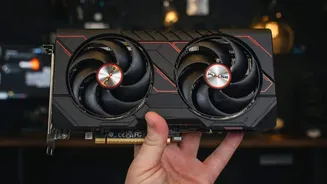

The Foundation of the AI Revolution
For every line of code that trains an AI model, there is a physical world of servers, specialised chips, high-speed cables, and complex cooling systems humming away in a data centre. This is the AI infrastructure, and it is the true engine room of the current
technological shift. While software engineers build the intelligence, a growing army of hardware and networking specialists builds the brain and nervous system for it to live in. The demand for these roles is surging as companies realise that access to cutting-edge AI depends entirely on the quality of the underlying hardware. These are the unsung heroes ensuring that the AI future actually runs.
Hardware: More Than Just Processors
The hardware powering modern AI is far more than standard computer components. It involves specialised processors like GPUs (Graphics Processing Units) and TPUs (Tensor Processing Units) designed specifically for the massive parallel calculations AI requires. This has created a talent gap for engineers who understand chip design, embedded systems, and system architecture. Roles like AI Hardware Engineer, Systems Design Engineer, and Hardware Validation Engineer are becoming critical. These professionals don't just assemble parts; they design and test the physical components that make AI faster and more efficient. As AI models become more complex, the need for innovative hardware solutions—from custom chips to advanced cooling systems—is projected to grow significantly.
Networking: The AI Nervous System
If hardware is the AI brain, networking is its central nervous system. Training a single large model requires thousands of processors to work together seamlessly, which means they need to communicate at incredible speeds with minimal delay. This has fueled demand for Network Engineers who specialise in high-availability data centre environments. These roles involve designing, deploying, and operating large-scale Ethernet fabrics and other high-speed interconnects. The ideal candidate can move from troubleshooting a physical cable to analysing complex routing behaviour to ensure the entire AI cluster operates as one cohesive unit. This goes far beyond typical office IT networking, requiring deep expertise in data centre technologies.
Inside the Modern AI Data Centre
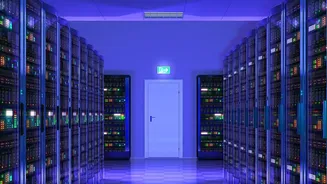
The role of the data centre technician has been transformed by AI. It's no longer just about racking servers. Today's AI data centres are extreme environments, with high-density racks that generate immense heat and require specialised liquid cooling systems. This makes electrical and mechanical skills more valuable than ever. Technicians with backgrounds as electricians or in HVAC are in high demand to manage the power and cooling infrastructure that keeps these billion-dollar facilities running. On the IT side, skills in structured cabling, fibre optics, and hands-on hardware troubleshooting for specialised AI equipment are essential. It's a hands-on technical career at the very heart of the AI industry.
Building a Career on the Ground Floor
The common thread across these infrastructure roles is a blend of specialised technical knowledge and practical problem-solving. For hardware engineers, skills in embedded systems, thermal management, and hardware security are highly valued. For networking professionals, expertise in large-scale fabrics and data centre operations is key. And for data centre technicians, electrical and mechanical fundamentals are often more important than a traditional computer science degree. The growth in these areas is projected to be significant, with employment for computer hardware engineers expected to grow at more than double the average rate for all occupations through 2034. This indicates a stable and expanding career path for those who build the physical world of AI.