

The Underrated Charm of Narrow-Gauge
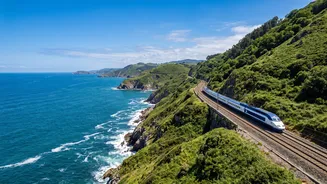
The backbone of this coastal adventure is the historic narrow-gauge railway, now operated by Renfe as Cercanías AM (formerly Feve). This isn't a high-speed affair; it's the opposite. These trains wind through landscapes inaccessible to major lines, connecting
small fishing villages and rural communities between the Basque Country and Galicia. The slower pace is the entire point, allowing you to soak in the views as the tracks hug the dramatic coastline, plunging through green valleys and offering glimpses of the Cantabrian Sea. For those seeking a more luxurious, all-inclusive experience, tourist trains like the Costa Verde Express and the opulent El Transcantábrico Gran Lujo follow these same scenic routes, offering fine dining and guided excursions.
Basque Beginnings: Pintxos and Art
Most journeys along the northern coast begin or end in the Basque Country. Start in San Sebastián (Donostia), a city famed for having one of the world's highest concentrations of Michelin stars and a legendary pintxos (Basque tapas) scene in its old town. After exploring the beautiful La Concha beach, the train journey west takes you to Bilbao. Once an industrial hub, Bilbao was revitalized by the opening of the Frank Gehry-designed Guggenheim Museum, its shimmering titanium curves now an iconic symbol of the city. A visit to the bustling Mercado de la Ribera, one of Europe's largest covered markets, offers a taste of the region's rich culinary resources that you'll encounter all along your trip.
Cantabria and Asturias: Peaks Meet the Sea
Continuing west, the train pulls into Cantabria's elegant capital, Santander, wrapped around a stunning bay. From here, it's a short trip to historic Santillana del Mar and the world-renowned Altamira Caves, home to prehistoric paintings. The journey becomes even more dramatic as the line enters Asturias. Here, the magnificent Picos de Europa mountain range seems to tumble directly into the sea, creating one of Spain's most breathtaking landscapes. The train provides a unique vantage point of this natural border. Excursions can take you into the heart of the Picos de Europa National Park or to the region's charming capital, Oviedo, known for its collection of pre-Romanesque churches, a UNESCO World Heritage site.
Final Destination: Historic Galicia
The final leg of the route pushes into the Celtic-influenced region of Galicia. The landscape softens into rolling green hills and deep coastal inlets known as 'rías'. The narrow-gauge line traditionally ends in Ferrol, from where a different train connects you to the ultimate destination: Santiago de Compostela. This ancient city is the final stop for pilgrims who have walked the Camino de Santiago for centuries. The atmosphere here is electric. Witnessing the awe of arrivals in the grand square before the magnificent Cathedral, which is said to house the remains of St. James, is a moving experience, providing a spiritual and fitting end to an unforgettable journey across Spain’s verdant north.