







A New Class of Buyer
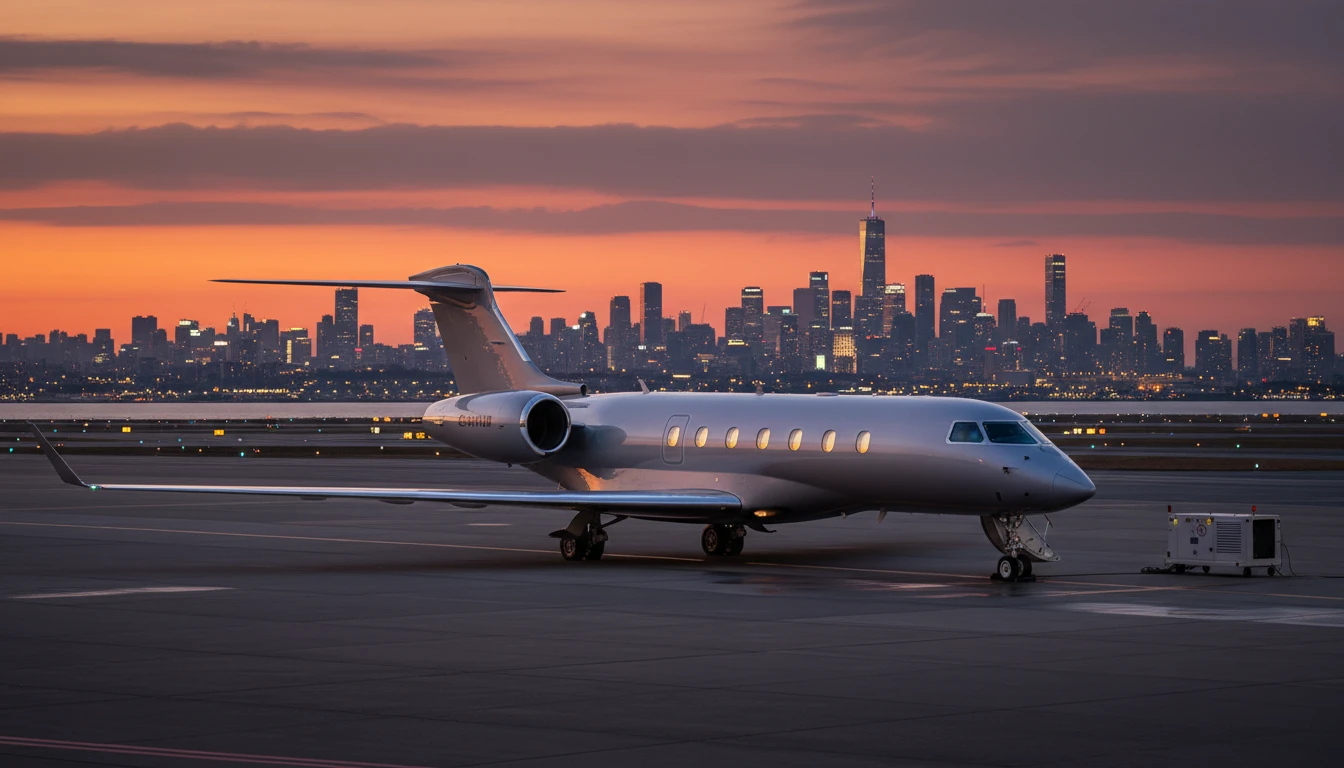
A fresh surge of wealth from the artificial intelligence and space technology sectors is reshaping the private aviation landscape. Following major liquidity events, most notably SpaceX's massive $85.7 billion IPO, a new generation of tech executives,
venture capitalists, and early employees are entering the market for private aircraft. Aviation lawyers and brokers report a significant uptick in business, with some attributing a 25% increase in aircraft purchase agreements this year directly to this new tech money. This trend reflects a familiar pattern where major wealth creation events, like the dotcom boom, translate into higher demand for private aviation. The key difference now is the profile of the buyer: younger, self-made, and steeped in a culture of technological disruption.
From Luxury Perk to Utility
For this new cohort, a private jet is often viewed less as a symbol of pure opulence and more as a utilitarian tool for business. Some tech founders are known for a more pared-back style, filling their jets with employees and favouring simple snacks over lavish five-star catering. This mindset shift is about maximizing efficiency and time—a currency as valuable as money in Silicon Valley. The appeal lies in bypassing commercial airline frustrations and creating a secure, mobile office in the sky. This has led to a boom across all tiers of private travel, from charter services and memberships to fractional and full aircraft ownership. Data shows flights through shared-ownership programs and by private owners have both seen double-digit growth in the first half of 2026.
The AI Co-Pilot
Beyond simply funding the purchase of jets, the influence of artificial intelligence is beginning to permeate the operational side of the industry. Startups and established players alike are using AI and machine learning to overhaul everything from flight planning to maintenance. AI algorithms can analyze vast datasets to optimize flight routes for fuel efficiency, navigate around bad weather, and avoid air traffic congestion. This not only saves time and money but also reduces the environmental impact. On the ground, AI is being deployed for predictive maintenance, identifying potential issues before they cause delays or safety concerns, and for dynamically adjusting pricing based on real-time market demand.
What's Next on the Horizon?
The infusion of tech capital goes beyond just buying existing aircraft; it's also funding the next generation of aviation. Venture firms known for backing deep tech are investing in startups focused on aerospace innovation, from hybrid-electric propulsion to advanced air mobility. Companies like Beyond Aero, which is developing a hydrogen-electric business aircraft, have secured tens of millions in funding from tech-focused investors. This forward-looking investment is putting pressure on traditional manufacturers to innovate beyond luxury cabin features and compete on sustainability and efficiency. With more blockbuster IPOs from AI giants like OpenAI and Anthropic widely anticipated, the pool of potential buyers and investors is expected to grow even larger, ensuring this trend will continue to accelerate.