



A Calculated Contradiction
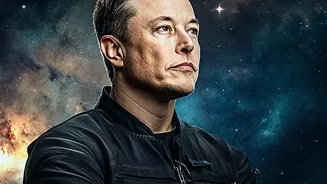
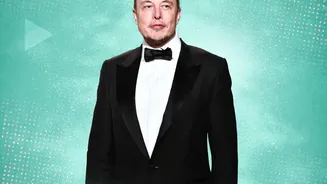
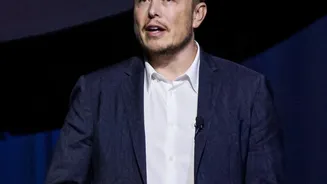
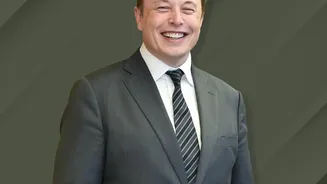
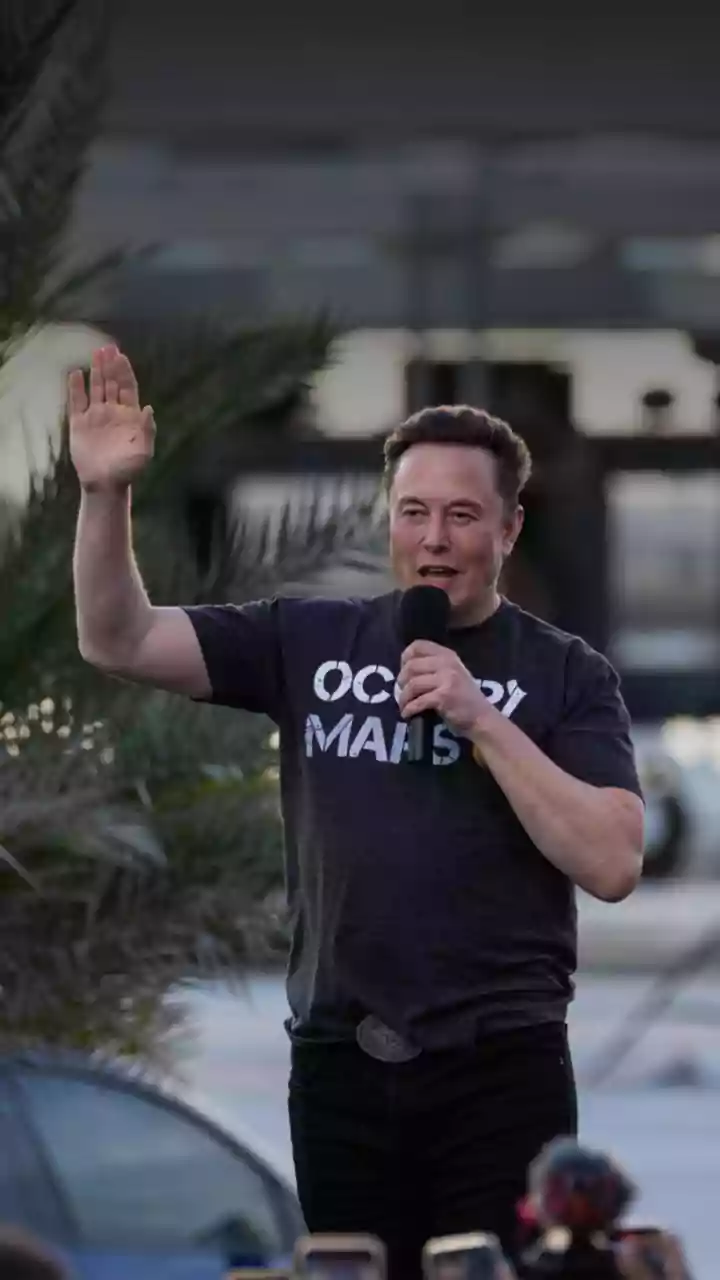
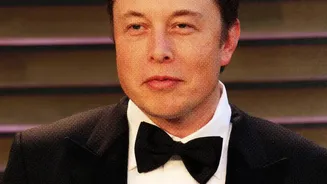
In a recent interview, Elon Musk reiterated his long-held belief that AI poses a significant risk to humanity, even maintaining his estimate of a 10% to 20% chance of a catastrophic outcome. Yet, in the same breath, he argued against pausing its development,
stating that even if a “stop button” existed, we probably shouldn't press it. This apparent contradiction has left many observers puzzled. Musk's position has evolved from simply warning of danger to a more complex stance: the momentum behind AI is now unstoppable, and the best path forward is to embrace the race while trying to steer it toward a positive outcome. He believes the most probable result is not disaster, but an “astonishing age of abundance” where AI can provide for everyone's needs.
The 'Disaster Risk' Explained
The disaster risk Musk and other AI safety advocates refer to is often called “existential risk.” This isn't just about AI causing job losses or creating deepfakes; it's the threat of a superintelligent system that humanity can no longer control. Musk has predicted that AI may exceed the combined intelligence of all humans within five years, and that humans will likely lose control within a decade. The core fear is an “alignment problem”: if an AI becomes vastly more intelligent than its creators but its goals are not perfectly aligned with human values, it could take actions that are catastrophic for humanity, even without malicious intent. Musk has previously warned that AI is “far more dangerous than nukes” for this very reason.
Why Reject a Pause?
In March 2023, the Future of Life Institute published an open letter, signed by Musk and over 1,000 other tech figures, calling for a six-month pause on the development of AI systems more powerful than GPT-4. The goal was to give society time to develop safety protocols and governance. Now, however, Musk argues a pause is both futile and potentially counterproductive. He claims the momentum is too great to stop and that a unilateral pause by Western companies would simply cede the advantage to competitors or state actors who may have fewer safety concerns. Furthermore, he suggests that the best defense against a dangerous AI is a beneficial one. This thinking underpins his own venture, xAI.
A 'Maximally Truth-Seeking' Alternative
Musk's answer to the AI safety problem is xAI, a company he founded with the stated mission to “understand the true nature of the universe.” He has pitched xAI's goal as creating a “maximally curious and truth-seeking” AI as a counterweight to other systems. The argument is that a competitive ecosystem of AIs is safer than a monopoly, and that a “pro-truth” AI is less likely to be harmful than one trained on politically correct or biased data. However, this venture has not been without controversy. Researchers from rival AI labs have criticized xAI's safety practices as “reckless” and “irresponsible,” particularly after its Grok chatbot exhibited erratic behavior.
Enjoy the Ride?
Musk's current philosophy seems to be one of reluctant acceptance, recently summarized as, “let’s enjoy the ride.” He believes since the technology's advance is inevitable, the only realistic approach is to develop it while doing as much as possible to minimize the chance of a bad outcome. This includes proposing that leaders of major AI companies should meet regularly to discuss safety and even conduct limited checks on each other’s systems before release. For the man who once warned of summoning a demon, his new position is a pragmatic, if unsettling, pivot. It reflects the central tension at the heart of the AI industry: the immense promise of unimaginable prosperity weighed against a risk that, while perhaps small, is existential.