




A Sign of Changing Times
For decades, visitors trekking towards the Indo-Tibetan border were greeted by a sign at Mana that declared it the 'Last Indian Village'. It implied an end, a final outpost before the vast, uninhabited frontier. But in a significant move, the Border Roads
Organisation (BRO) replaced this with a new signboard that proudly proclaims Mana as the 'First Indian Village'. This change was championed by Prime Minister Narendra Modi, who, during a visit, stated that border villages are not the last but the first line of the nation. This simple act reframes the narrative, turning what was once seen as the edge of the map into the very beginning of it.
The 'Vibrant Villages Programme'
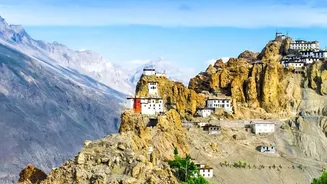
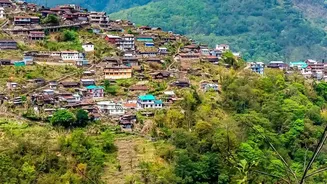
The rebranding of Mana is the most visible symbol of a much larger central government initiative: the Vibrant Villages Programme (VVP). Announced in the 2022 Union Budget and administered by the Ministry of Home Affairs, this centrally sponsored scheme aims to comprehensively develop villages along India's northern borders. With a financial outlay of ₹4800 crore for 2022-26, the programme focuses on 46 border blocks across 19 districts in states like Uttarakhand, Himachal Pradesh, Arunachal Pradesh, Sikkim, and the Union Territory of Ladakh. The core idea is to halt out-migration from these crucial areas by improving the quality of life and creating livelihood opportunities. By developing these settlements, the government sees them as strategic assets and populated frontiers that enhance national security.
What It Means for Border Communities
The Vibrant Villages Programme is designed to deliver tangible benefits. The focus areas include building all-weather road connectivity, providing reliable electricity through solar and wind power, ensuring television and telecom connectivity, and promoting tourism based on local culture and heritage. For villages like Mana, this means better infrastructure, financial inclusion, skill development, and support for local enterprises like cooperatives. The goal is to make these remote villages as liveable and economically viable as any other part of the country, transforming them from isolated outposts into thriving communities. This stops the trend of 'ghost villages' and ensures a civilian presence in strategically important areas.
Mana's Mythological and Cultural Heart
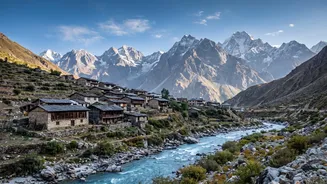
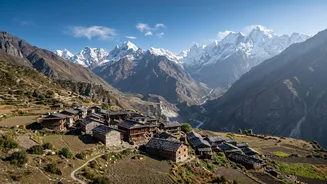
Long before it became the 'First Village,' Mana held deep significance in Indian mythology and culture. Located just a few kilometers from the sacred Badrinath Temple, the village is steeped in legends connected to the epic Mahabharata. It is believed to be the place where the Pandavas passed through on their final journey to heaven. The village is home to Vyas Gufa, the cave where sage Ved Vyas is said to have composed the Mahabharata, and Bhim Pul, a natural rock bridge supposedly created by Bhima. Inhabited by the Bhotiya community, Mana offers a glimpse into a unique Himalayan way of life, with its traditional crafts and warm hospitality. These rich cultural and spiritual roots make it a natural hub for tourism.
The Road Ahead
The new designation is expected to significantly boost tourism, bringing economic prosperity to the residents of Mana. The excitement among locals is palpable, with many hopeful that the government's focus will lead to better opportunities and improved infrastructure while preserving their unique heritage. Before the 1962 war, Mana was a key point on a trade route with Tibet. While that trade has ceased, the new focus on tourism and local enterprise could usher in a new era of prosperity. The challenge lies in ensuring that this development is sustainable, protecting the fragile alpine ecosystem and the village's ancient character. The transformation of Mana is a powerful test case for how India views and values its frontier regions.