







The Allure of Greener Fields
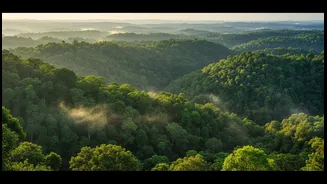
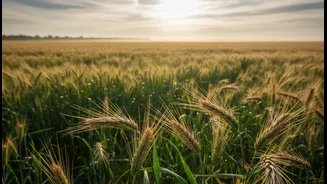
On the surface, the argument seems plausible. Increased carbon dioxide in the atmosphere can, under certain conditions, create a "CO2 fertilization effect," which enhances photosynthesis and can boost the growth of some plants. This has led to observations
of a measurable "greening" of some parts of the planet. Furthermore, warmer temperatures could theoretically lengthen growing seasons in colder, high-latitude regions like Canada and Russia, potentially opening up new frontiers for farming. Some studies have projected that these effects could lead to yield increases for specific crops in specific areas, creating the impression of an agricultural upside to climate change. This seemingly positive news is often seized upon to suggest that the impacts of warming may be balanced or even beneficial, at least for the agricultural sector.
A Global Reality Check
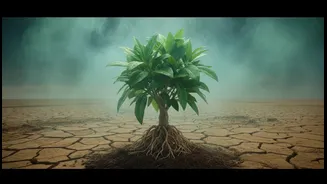
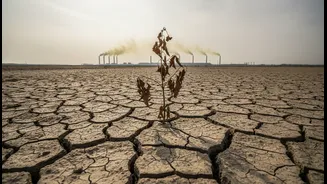
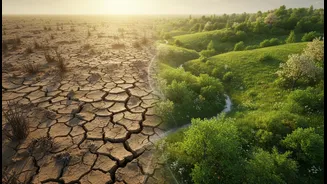
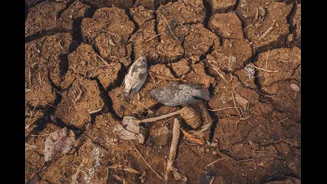
However, this is a dangerously incomplete picture, according to a growing body of research. Scientists argue that focusing on these isolated gains ignores the overwhelming net negative impact on a global scale. A comprehensive 2025 study in the journal Nature, for instance, projected that global yields of staple crops are set to decline significantly by 2100. It found that for every 1°C of warming, the world's ability to produce food could drop by an average of 4.4%. Even if some cooler regions gain, these are more than offset by devastating losses in traditionally productive breadbasket regions, including the U.S. Corn Belt, and in tropical and subtropical regions that are already hot. One study concluded that anthropogenic climate change has already wiped out the equivalent of seven years of agricultural productivity growth since the 1960s.
The Hidden Costs of 'Growth'
Even where plant growth is stimulated, it comes with serious caveats. The CO2 fertilization effect is often limited by the availability of other essential resources, like nitrogen and water. Without adequate nutrients, the initial boost in growth cannot be sustained. More alarmingly, higher CO2 levels have been shown to reduce the nutritional quality of major food crops like wheat and rice. Studies have found that elevated CO2 can lead to decreased concentrations of protein, iron, zinc, and B vitamins in staple foods, posing a significant threat to global human nutrition. Therefore, a higher yield in terms of quantity could mask a dangerous decline in food quality.
Beyond the Crops: A System Under Stress
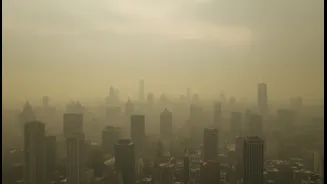
Productivity isn't just about plant biology; it's also about the human ability to work. Rising temperatures and more frequent heatwaves directly harm labour productivity, especially in sectors like agriculture and construction that involve outdoor work. Studies have shown that as temperatures rise, workers are forced to take more breaks or stop work early, leading to significant output losses. These impacts are expected to be most severe in already hot regions like Southeast Asia, Africa, and Latin America. Furthermore, climate change increases the frequency and intensity of extreme weather events like droughts, floods, and storms, which can devastate agricultural production, destroy infrastructure, and disrupt supply chains, creating economic shocks that ripple through the entire system.
The Danger of Misguided Policy
The core caution from researchers is that treating regional or temporary productivity gains as a net benefit of climate change leads to deeply flawed decision-making. It can foster a false sense of security and undermine the urgency of global climate action. Economic models that focus on these narrow gains while underestimating catastrophic risks have been criticized for justifying delayed action and insufficient investment in mitigation. The stark reality is that the economic damages from climate change are immense and disproportionately harm the world's most vulnerable populations in lower-income countries—the very regions least responsible for historical emissions. As one researcher put it, misinterpreting the data encourages a gradual approach when the science points to a rapidly closing window for meaningful action.