



A New Vision: The Artemis Base Camp
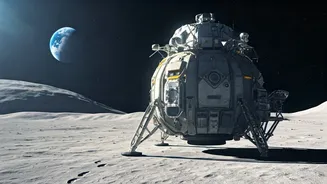
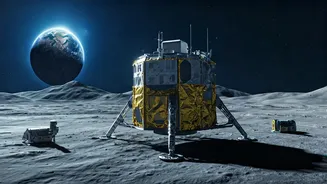
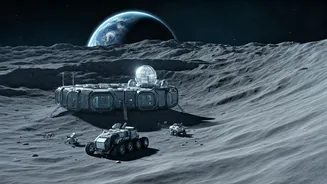
The Apollo missions of the 20th century were short sprints. The Artemis program, in contrast, is about endurance. NASA's plan is to establish a long-term outpost called the Artemis Base Camp near the Moon's South Pole. This region is believed to hold
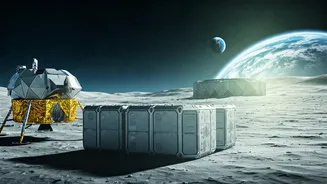
significant deposits of water ice in permanently shadowed craters, a resource that could be a game-changer for space exploration. The base won't appear overnight; it will be built in phases, starting with robotic missions to test technologies and scout locations. The ultimate vision is an interconnected network of systems—habitats, rovers, and power grids—that allows astronauts to live and work on the lunar surface for extended periods, up to two months at a time. This base will serve as a vital proving ground for the technologies and strategies needed for the next giant leap: sending humans to Mars.
Mobility on the Moon
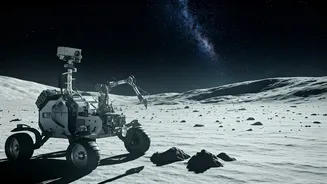
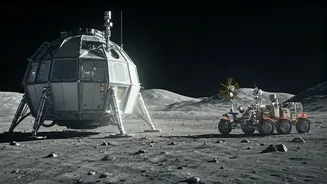
To explore and build this new lunar frontier, astronauts will need a reliable ride. NASA is developing a new generation of lunar vehicles, but with a modern twist. Instead of owning the rovers, the agency is contracting for "mobility as a service" from commercial partners. Several companies, including Lunar Outpost and Astrolab, have been tasked with developing the Lunar Terrain Vehicle (LTV), an unpressurized, open-top rover designed for astronauts in their advanced spacesuits to drive across the rugged lunar surface. These vehicles will dramatically extend the range of exploration far beyond what was possible during the Apollo era. Beyond the LTV, NASA also plans for a larger, pressurized rover, essentially a mobile home and office that would allow astronauts to undertake long-range expeditions lasting for weeks, far from the central base camp.
A Home Away From Home
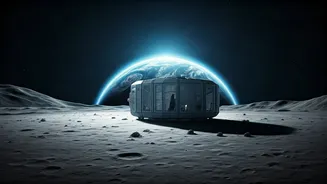
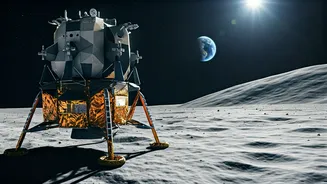
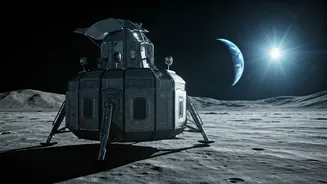
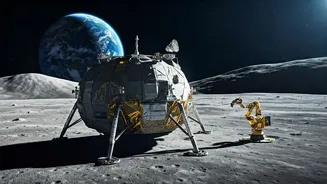
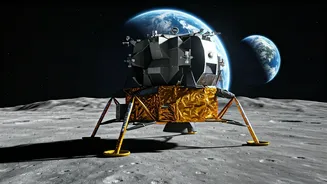
While early missions will use the human landing system as temporary lodging, a long-term stay requires a dedicated home. The core of the Artemis Base Camp will be a Foundation Surface Habitat, a permanent structure designed to house up to four astronauts. This habitat will serve as a home base, communications hub, and science lab. NASA is also looking to the future by investing in innovative concepts like expandable habitats. These structures can be launched in a compact form and then inflated or expanded on the lunar surface, providing a much larger living and working volume for their mass. This approach is critical for making the construction of a lunar outpost more efficient and affordable. The goal is to evolve from temporary shelters to a robust habitat that can sustain crews for 60-day missions.
Powering the Lunar Night
One of the greatest challenges on the Moon is power. The lunar night lasts for about 14 Earth days, plunging most of the surface into extreme cold and darkness, making solar power insufficient for continuous operation. To solve this, NASA is pursuing a two-pronged approach. While advanced solar arrays will be used, the key to a sustainable presence is nuclear power. The Fission Surface Power project, a collaboration with the Department of Energy, aims to place a small nuclear reactor on the Moon. This system would provide a reliable, continuous power source, regardless of sunlight. A single 40-kilowatt unit could generate enough electricity to power about 30 households for a decade, providing the energy needed for habitats, rovers, and science experiments through the long, harsh lunar night.
Living Off the Land
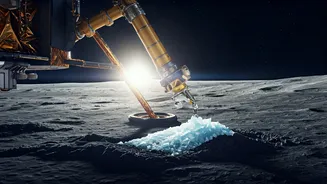
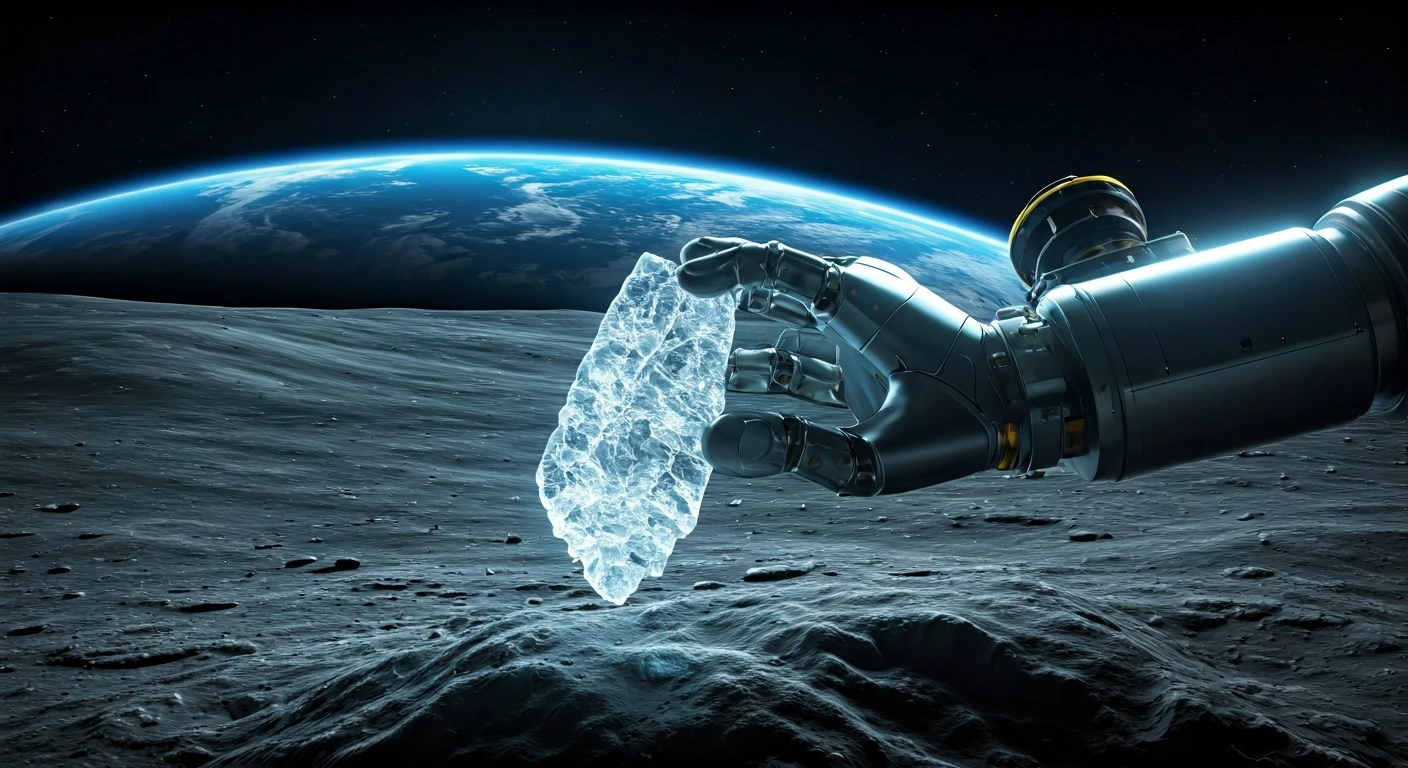
The true key to sustainability in space is learning to live off the land, a concept known as In-Situ Resource Utilization (ISRU). Launching every drop of water, breath of air, and ounce of fuel from Earth is incredibly expensive. ISRU aims to change that by harvesting and processing local materials. At the lunar South Pole, this means mining water ice from shadowed craters. This water can be used for drinking and growing plants, and it can also be split into hydrogen and oxygen—the primary components of rocket propellant. Additionally, NASA is developing technologies to extract oxygen directly from the lunar regolith, the dusty soil that covers the Moon. Mastering ISRU will not only make the Artemis Base Camp self-sufficient but is considered essential for the future of deep space exploration.