



Aloo Gobi: The Comforting Classic
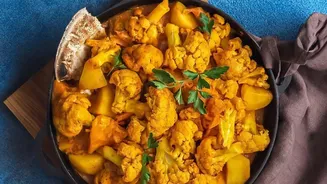
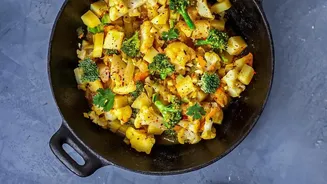
Aloo Gobi is a dry vegetable dish, or 'sabzi', that holds a special place in the heart of North Indian home cooking. A simple yet flavourful combination of potatoes (aloo) and cauliflower (gobi), it’s a testament to how everyday ingredients can create
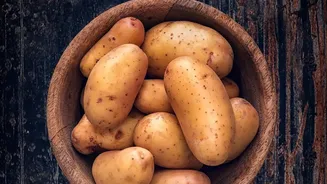
something truly satisfying. The vegetables are gently simmered with spices like turmeric, cumin, ginger, and garlic until tender, allowing them to absorb all the aromatic flavours without becoming a gravy-heavy curry. Potatoes were introduced to India by Portuguese traders in the 17th century and were gradually accepted into the nation's diet. Aloo Gobi showcases this beautiful integration, becoming a staple that is now beloved across the country and beyond for its comforting, wholesome appeal.
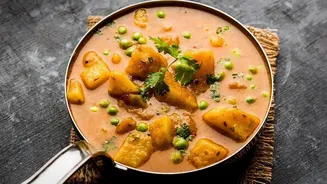
Dum Aloo: The Royal Treatment
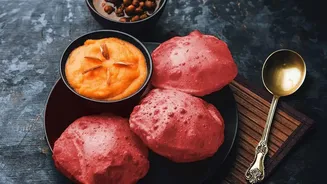
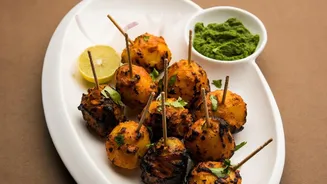
Meaning 'slow-cooked potatoes', Dum Aloo is a richer, more elaborate dish with origins in the Kashmir Valley. It is a cornerstone of traditional Kashmiri Pandit cuisine. The preparation involves deep-frying baby potatoes until golden and then simmering them slowly in a flavourful and often spicy gravy. The Kashmiri version is famously vibrant red and uses spices like fennel powder and dry ginger powder, characteristically avoiding onion and garlic. Over time, variations have emerged across India, including the popular Punjabi style, which features a creamy gravy made with tomatoes, onions, and yogurt, and a Bengali version known as 'Alur Dom'. Whether served at a celebration or a special family meal, Dum Aloo elevates the potato from a simple staple to a luxurious centrepiece.
Aloo Paratha: The Quintessential Breakfast
Arguably one of India's most popular breakfast dishes, the Aloo Paratha hails from the Punjab region. It's a whole-wheat flatbread stuffed with a delicious filling of spiced mashed potatoes. The arrival of the potato in India revolutionised the already ancient tradition of making stuffed flatbreads, leading to the creation of this iconic dish. Cooked on a hot griddle ('tava') with ghee or oil until golden and slightly crisp, it's the ultimate comfort food. Served with a dollop of butter, a side of plain yogurt, or tangy pickle, the Aloo Paratha is more than just a meal; it’s a warm, nostalgic experience that evokes memories of home-cooked goodness for millions.
Batata Vada: Mumbai’s Favourite Snack
Travel to Maharashtra, and you'll find Batata Vada, a beloved street food snack that captures the spirit of Mumbai. The name itself comes from 'batata', the word for potato in both Portuguese and Marathi, and 'vada', meaning fritter. This delicious snack consists of a spicy mashed potato ball seasoned with green chillies, ginger, and mustard seeds, which is then coated in a gram flour (besan) batter and deep-fried until crispy. While delicious on its own with chutney, the Batata Vada is most famously served as the heart of Vada Pav, tucked inside a soft bread roll. This humble potato fritter is more than just food; it’s an iconic part of Mumbai's fast-paced culture.
Aloo Tikki: The Soul of Street Chaat
Aloo Tikki, or potato patty, is a cornerstone of North Indian street food culture, particularly in cities like Delhi and Lucknow. These golden, pan-fried potato patties are crispy on the outside and soft on the inside. While its exact origins are a mystery, Aloo Tikki’s affordability and simplicity made it an instant street-side hit. It's often served as 'Aloo Tikki Chaat', where the patties are broken up and loaded with yogurt, tamarind and mint chutneys, chopped onions, and crispy 'sev'. This explosion of sweet, sour, spicy, and savoury flavours is what defines 'chaat'. From its humble beginnings in the Mughal era to its status as a global favourite, Aloo Tikki is a true celebration of texture and taste.